

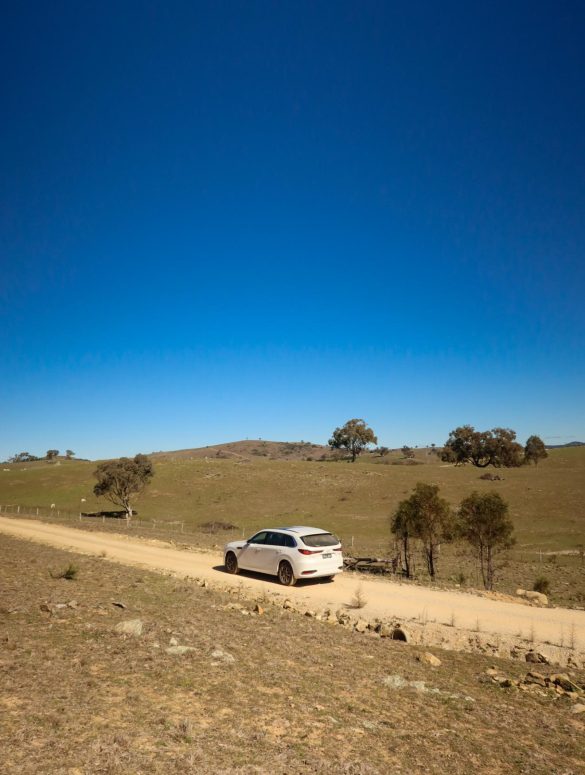
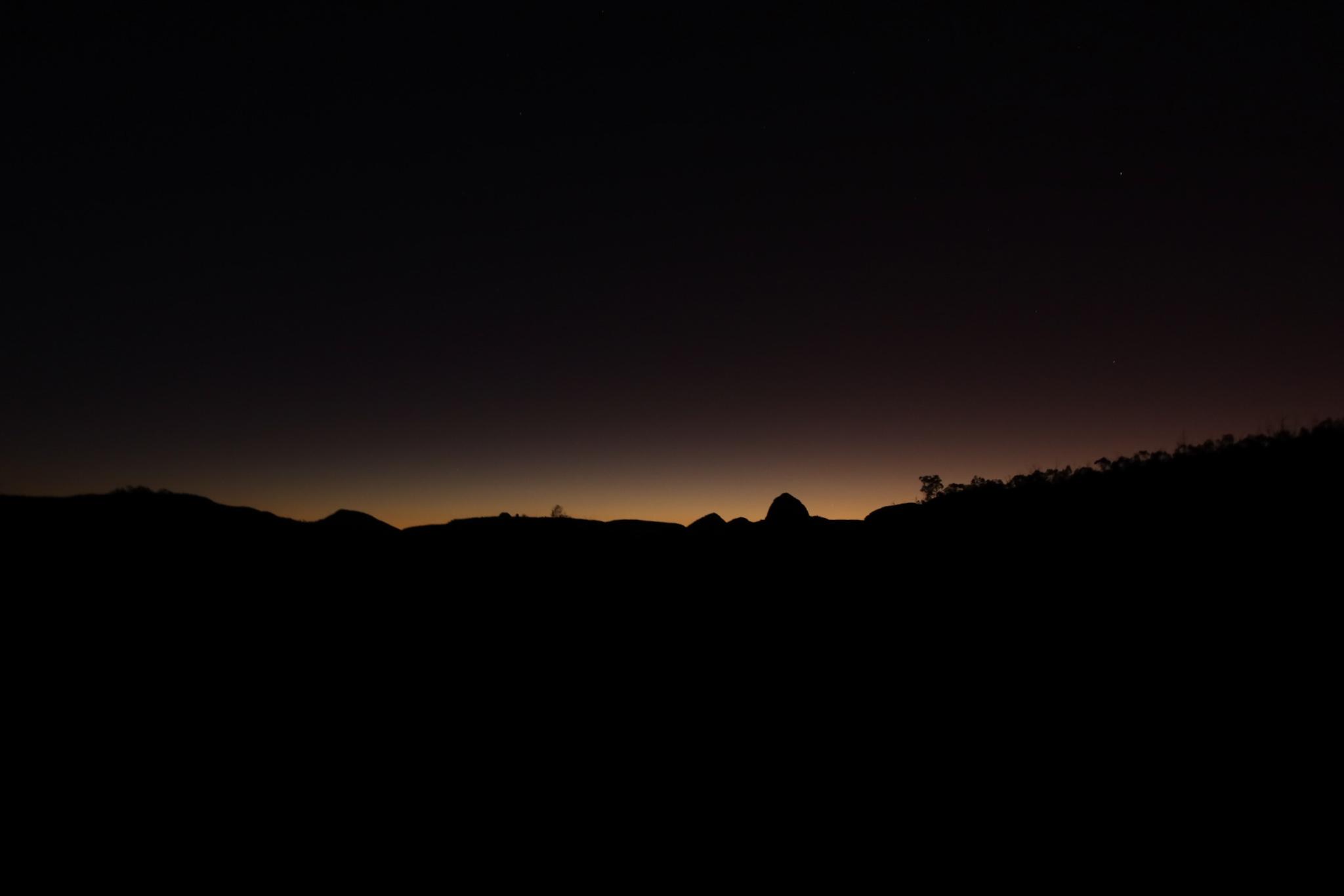
Sydney has it all. Beautiful beaches, good food, better coffee, and uh, an abundance of light pollution. While the city welcomes winter every year with an impressively kaleidoscopic light show in Vivid, to see a truly breathtaking astral display, one must look further inland.
Home to the darkest skies in the country—not to mention dramatic landscapes and a plethora of hiking options—the Warrumbungles in the Central West region of New South Wales has charm in spades for avid and aspiring stargazers alike. Despite its appeal, it’s a part of the country many urbanites are yet to explore, being a six-hour drive from Sydney. However, regional tourism is picking up in New South Wales and the Central West region is taking heed, with local businesses taking the opportunity to show off the natural beauty of their home to visitors.
A road trip to the Warrumbungles has the ability to cater to all the senses. Here at Albert Review, we tend to recommend the coastal route wherever possible — here, we’re going to depart from convention and suggest you opt for the inland route which has options to break up the drive with stops in the Blue Mountains and Mudgee, allowing for oenophilic and gustatory adventures along the way.
Ready to ditch the city and go bush? Here’s how to do a NSW Central West road trip in style.
The car
Two fundamentals to a good road trip are good company and a trustworthy car. Unfortunately, we’re unable to help with the former, but found the Mazda CX-80 more than fulfilled the brief of the latter. The seven-seat SUV is the Japanese marque’s first all-hybrid model and comes with three powertrain options—a six-cylinder petrol and diesel, as well as a plug-in hybrid with up to 65 kilometres of electric-only range—across four specification levels—Pure, Touring, GT, and Azami—with a total of 13 variants.
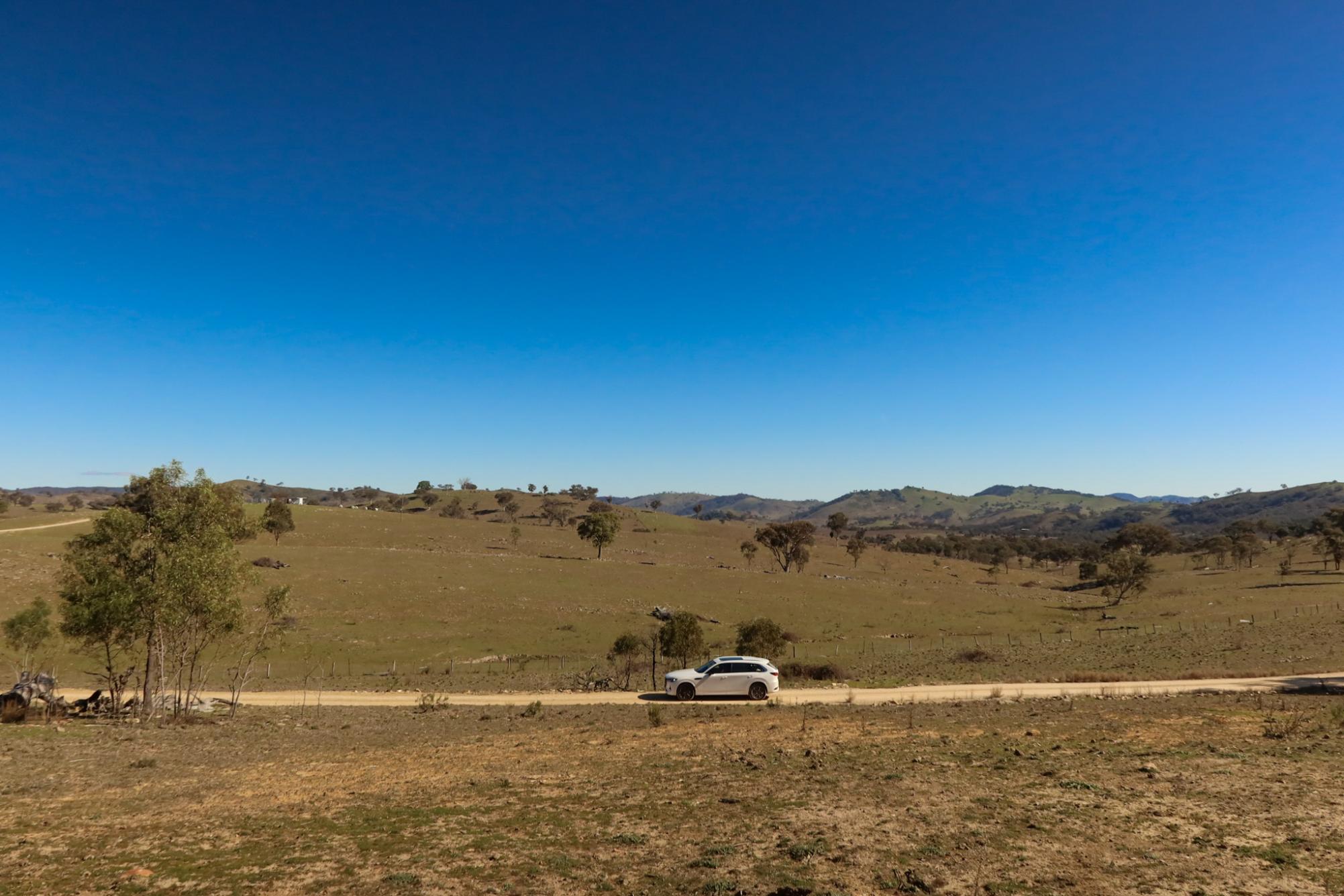
As a family of three adults with a genetic predisposition to overpack, we found the three-row seven-seater SUV more than spacious enough for our needs. We collapsed the third row to increase the storage space of the already capacious boot and had ample space for our carryalls and culinary provisions for two nights in rurality, with room left over for unexpected pickups (read: biodynamic wines and a vaguely embarrassing amount of pretty rocks).
We took the Mazda CX-80 P50e GT, which is a plug-in hybrid with a 2.5L straight-four petrol engine, which delivers 323 bhp and 368 ft lb of torque. The most fuel efficient engine of the bunch, it offers an estimated fuel consumption of 2.7L/100km, with a maximum all-electric range of 65km.
We made the 275 kilometre drive from Sydney to Mudgee with more than half-a-tank remaining, and were able to make it all the way to Coonabarabran—another 200 kilometres from Mudgee—in the Warrumbungles on a single tank.
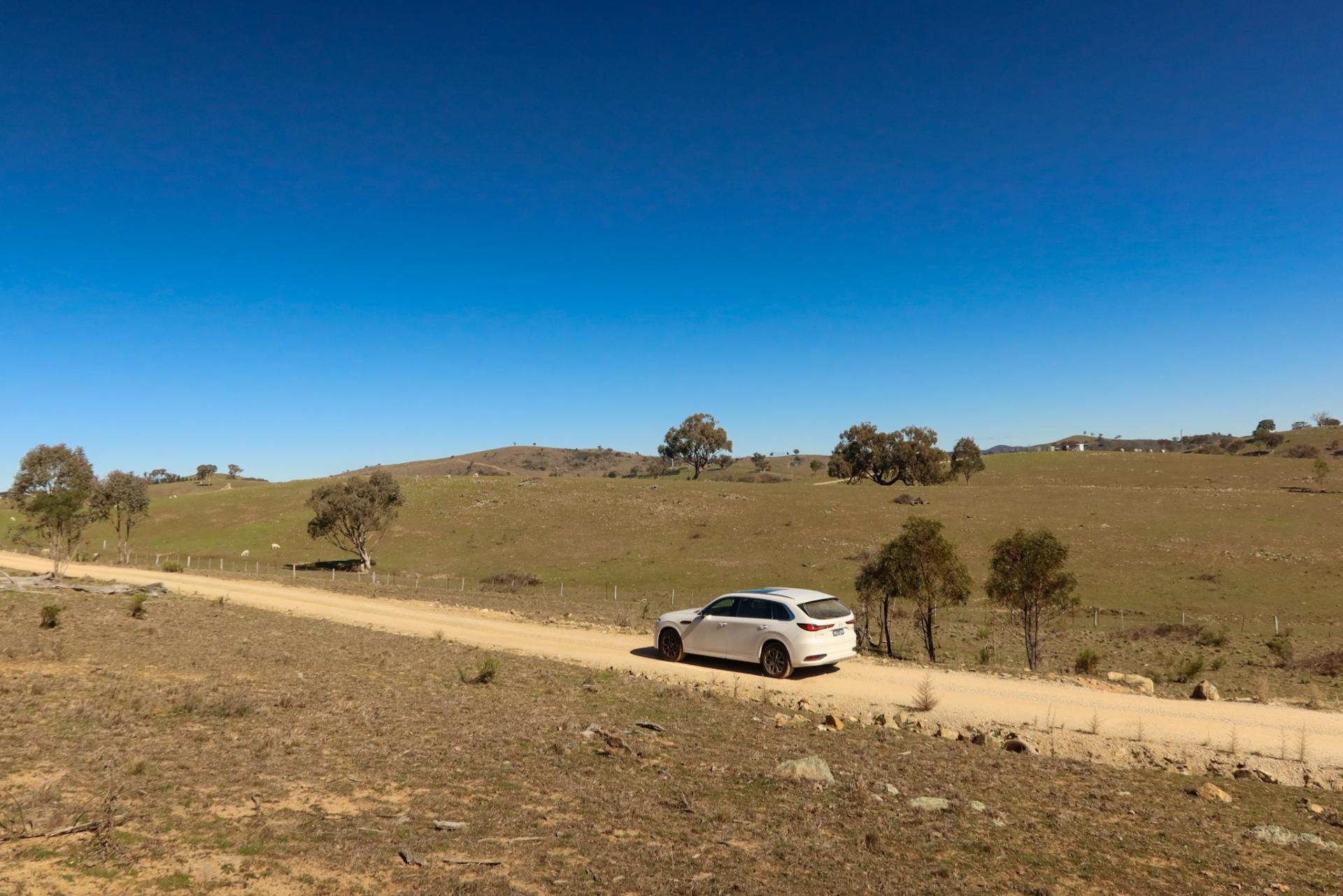
The exterior of the Mazda CX-80 P50e GT is clean and unobtrusive, and while it takes a relatively wide stance, it still belies its spacious interior. Inside, the leather seats and plush details on the armrests, dashboard, and knee-tops ensure a comfortable drive. While the backseat is often thought of as something of a demotion from the front passenger seat, the wide berth and leather upholstery of the second-row seating (as well as the central cupholder console when the middle seat was folded down) made it an equally viable way to enjoy the long drive. The GT and Azami models are outfitted with a panoramic sunroof; something of a necessity on a scenic road trip.
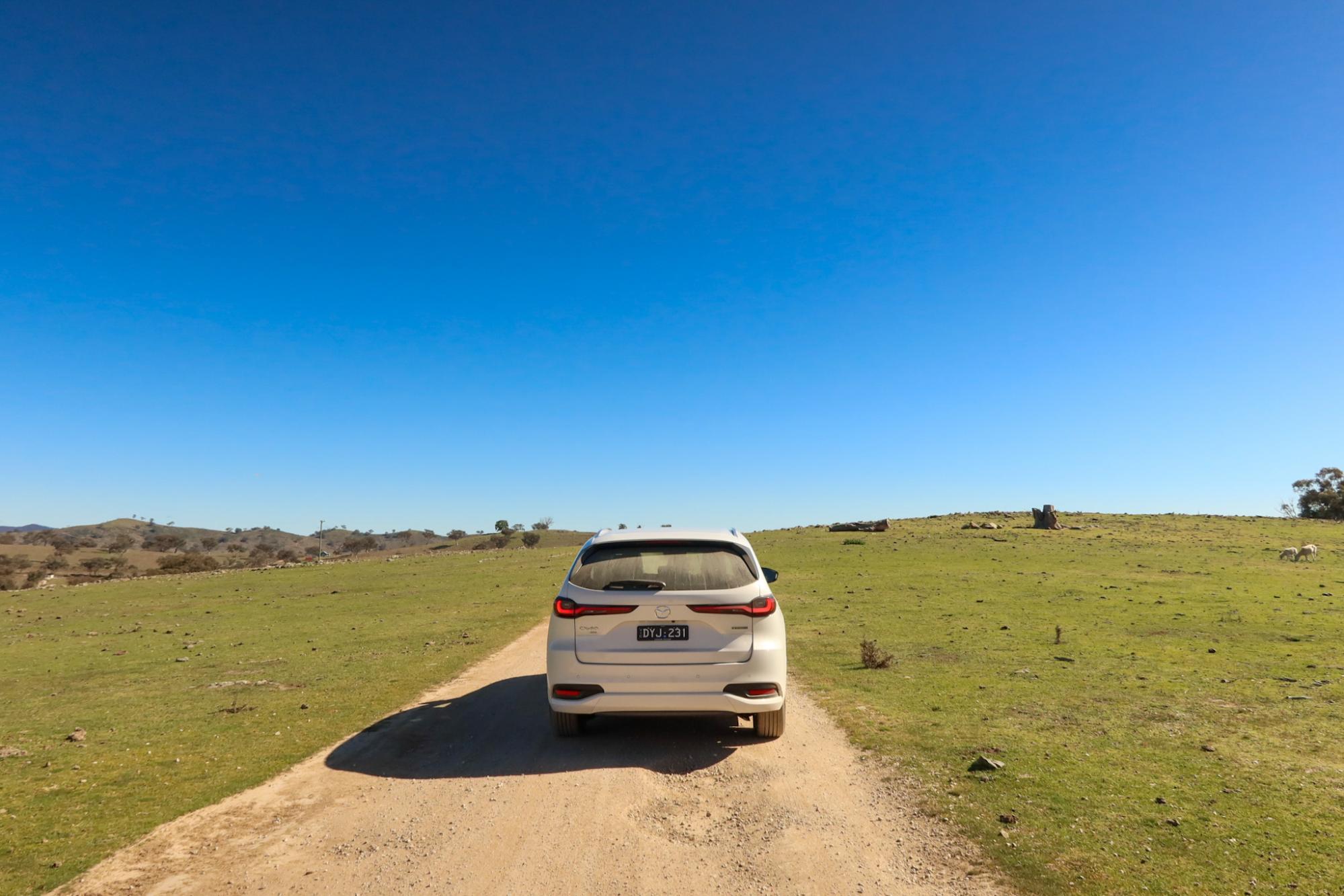
In terms of driver experience, the Mazda CX-80 P50e GT is unmemorable. That’s not a knock on it — the practical family SUV offers a comfortable drive with firm, but not stiff, handling around corners. Steering retains a reassuring heft at higher speeds, but is able to navigate a grocery store parking lot with ease despite the vehicle’s bulk. It should be said that the CX-80 fares best as a suburban hauler or road trip car, as its size makes it somewhat unwieldy to drive down narrow inner-city alleys and park on city roads.
The drive
The most direct way from Sydney to Coonabarabran involves driving up the Pacific Highway (M1) towards the Central Coast before taking the Golden Highway to Coonabarabran. And while the coastal route is often the most scenic—and acknowledging that the ‘Golden Highway’ is alluring for name value alone—on this occasion, we’d be remiss not to recommend you take the inland route.
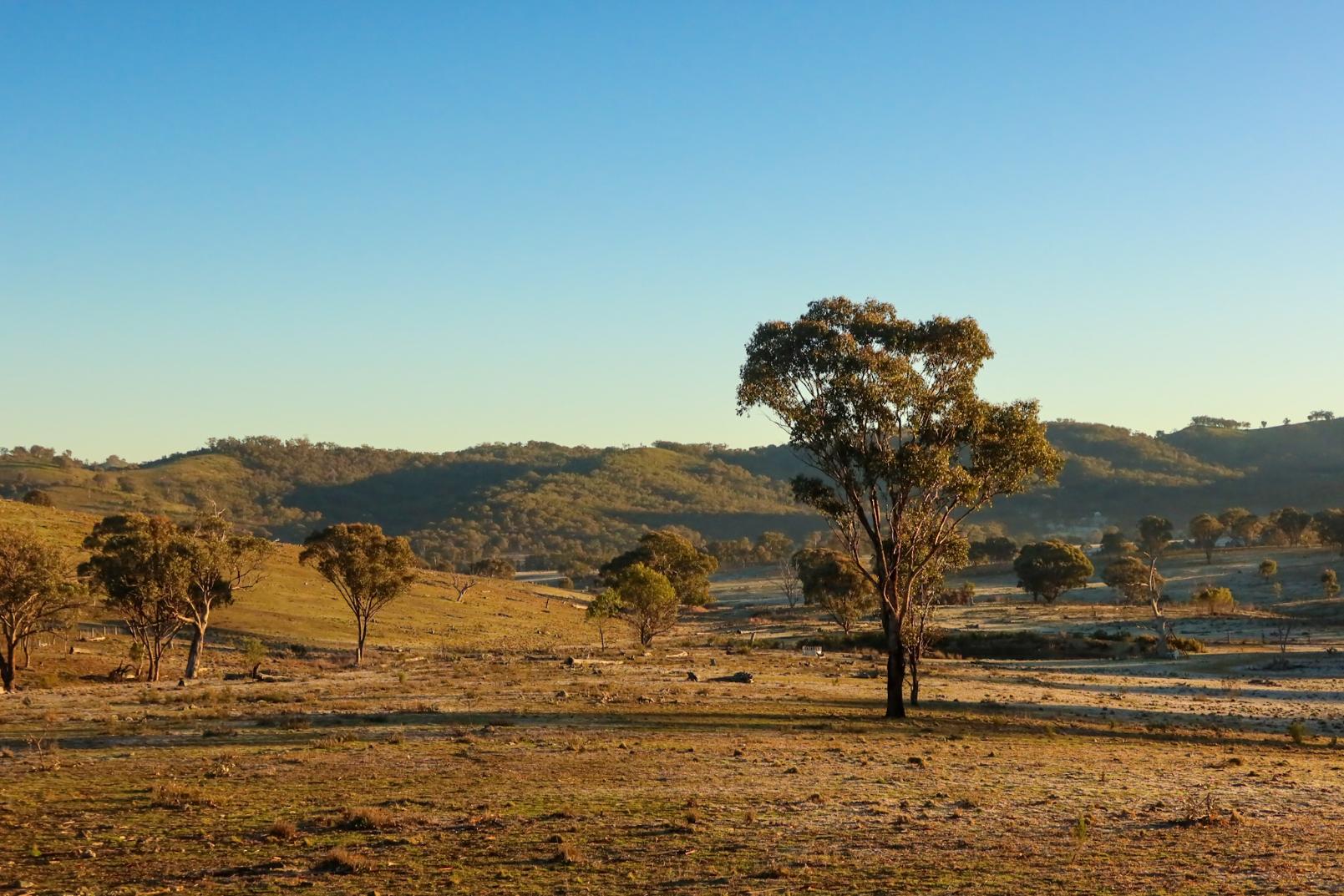
Taking the Great Western Highway and Castlereagh Highway to Coonabarabran takes you past both Blackheath and Mudgee. Break up the drive by staying a night in Mudgee and take the opportunity to dine at The Barn at Blue Wren Farm which offers Mediterranean-style seasonal shared plates served in a light-filled barn with exposed wooden beams overlooking the farm.
The following morning, satiate your appetite with breakfast at Alby & Esthers, a cosy cafe known for its elevated takes on jaffles; a quintessentially Australian dish that sees a typical toasted sandwich sealed around the edges to lock in the hot filling.
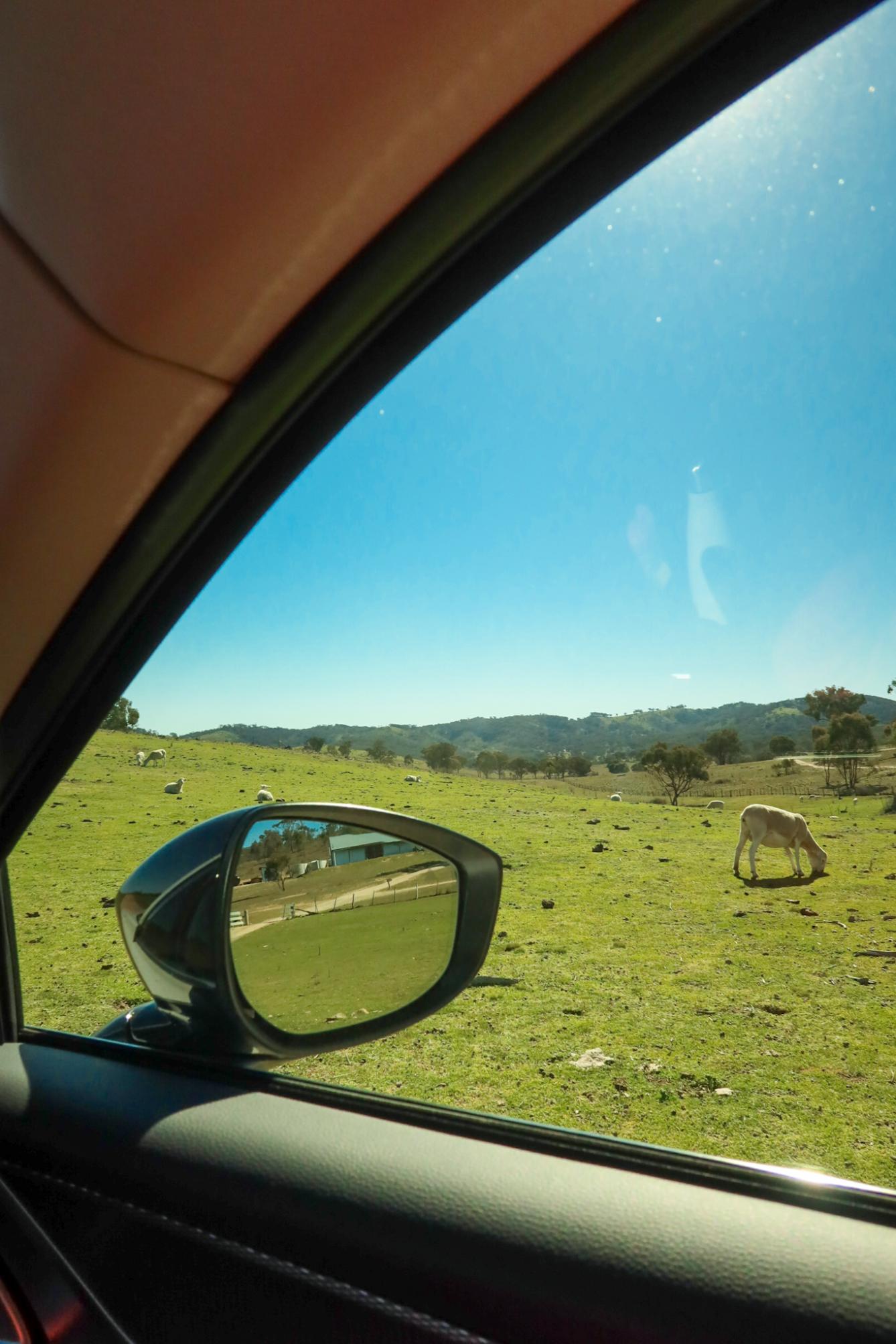
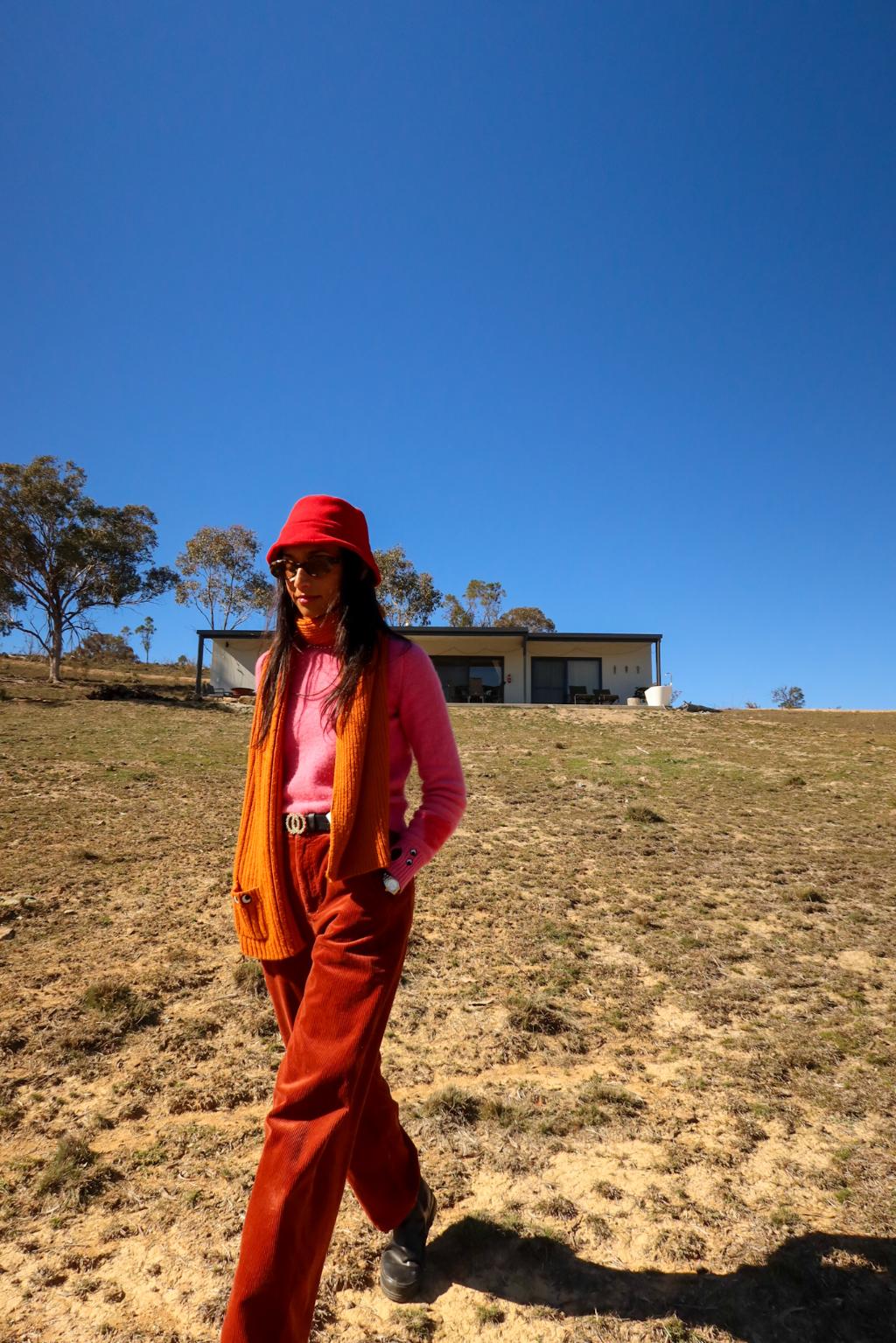
Then, head to Lowe Family Wine Co. An organic and biodynamic winery, Lowe Family Wine Co. is helmed by David Lowe who has meticulously planned the estate’s vineyard and farm around biodynamic principles. Core to the strategy are creating a nutrient rich compost which creates microbial activity in the soil which mineralises and feeds the plants, thereby reducing the need for fertilisers; and using the astrological calendar to determine the best dates for sowing and harvesting. A tour around Lowe Family Wine Co. is unlike a typical cellar door visit, with David talking us through the various blocks on the vineyard—each chosen for their distinct terroir and matched to a suitable varietal—as well as the permaculture-based market gardens which supply the estate’s restaurant, The Zin House, which is piloted by David’s wife, chef Kim Currie.
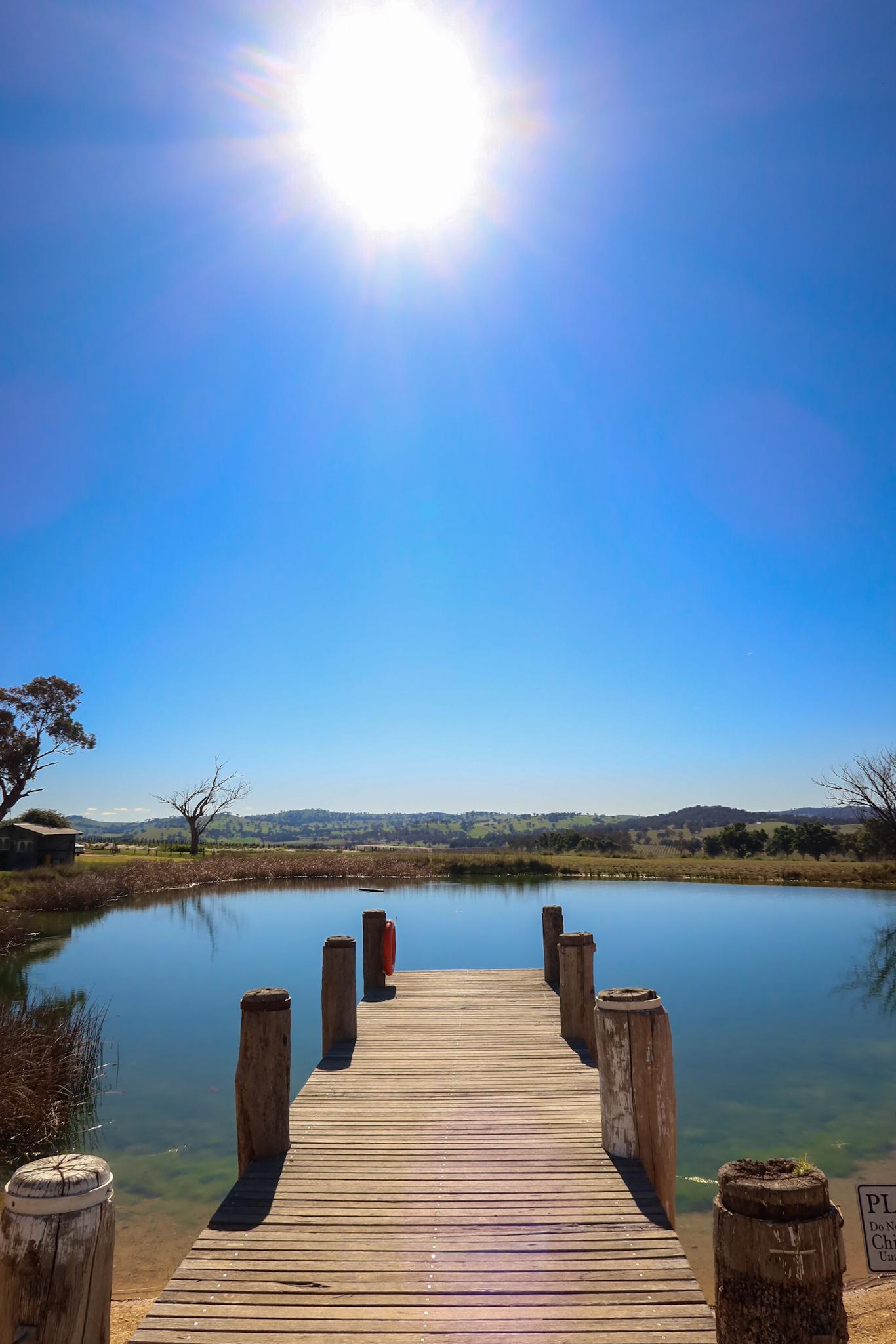

Naturally, the tour is merely a precursor for a tasting of Lowe Family Wine Co.’s best pours, with a tasting taking us through the vineyard’s shiraz, vermentino, and zinfandel before a light picnic lunch courtesy of the cellar door’s hamper service.
Then, hand the keys over to your designated driver and continue along Castlereagh Highway until you reach Coonabarabran.
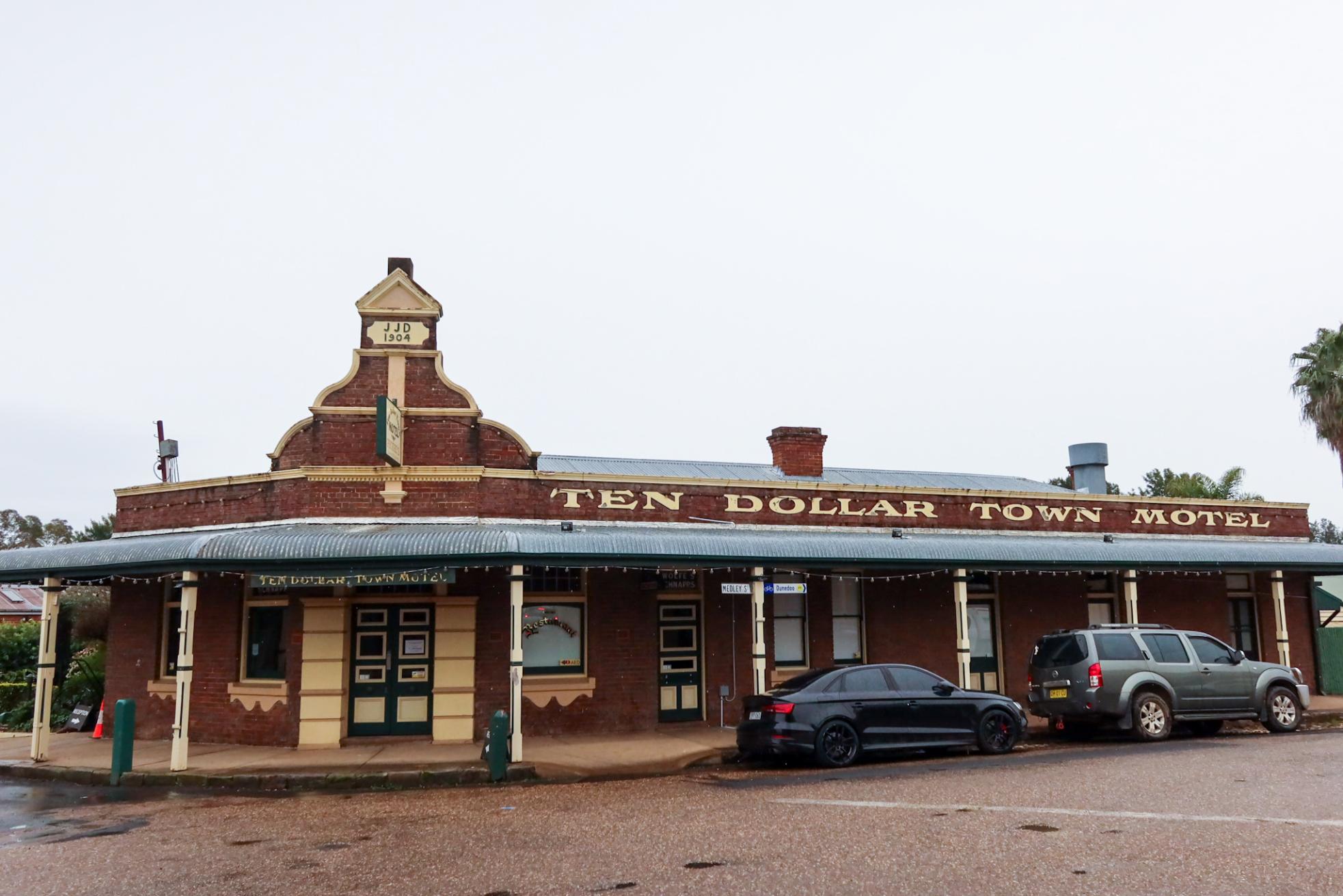
On the way back to Sydney, mix up your stopovers by driving through Gulgong, also known as the ten dollar town, thanks to its streetscapes being featured on the Australian $10 paper banknote from 1966 to 1993. The town has retained its old world charm and is worth whiling away a couple of hours in. Pop into The Fiddler’s Hame, an antique store on Mayne Street with a plethora of affordable trinkets (not to mention some exemplar local home, before having a hearty country style breakfast at the Silver Fox Cafe.
Stay the night at Blackheath and dine at Blaq. Located within the Kyah Hotel, Blaq interprets seasonal produce through a global lens, with each bite offering a veritable pop of flavour.
Where to stay in the Central West of NSW
Glenayr Farm, Mudgee
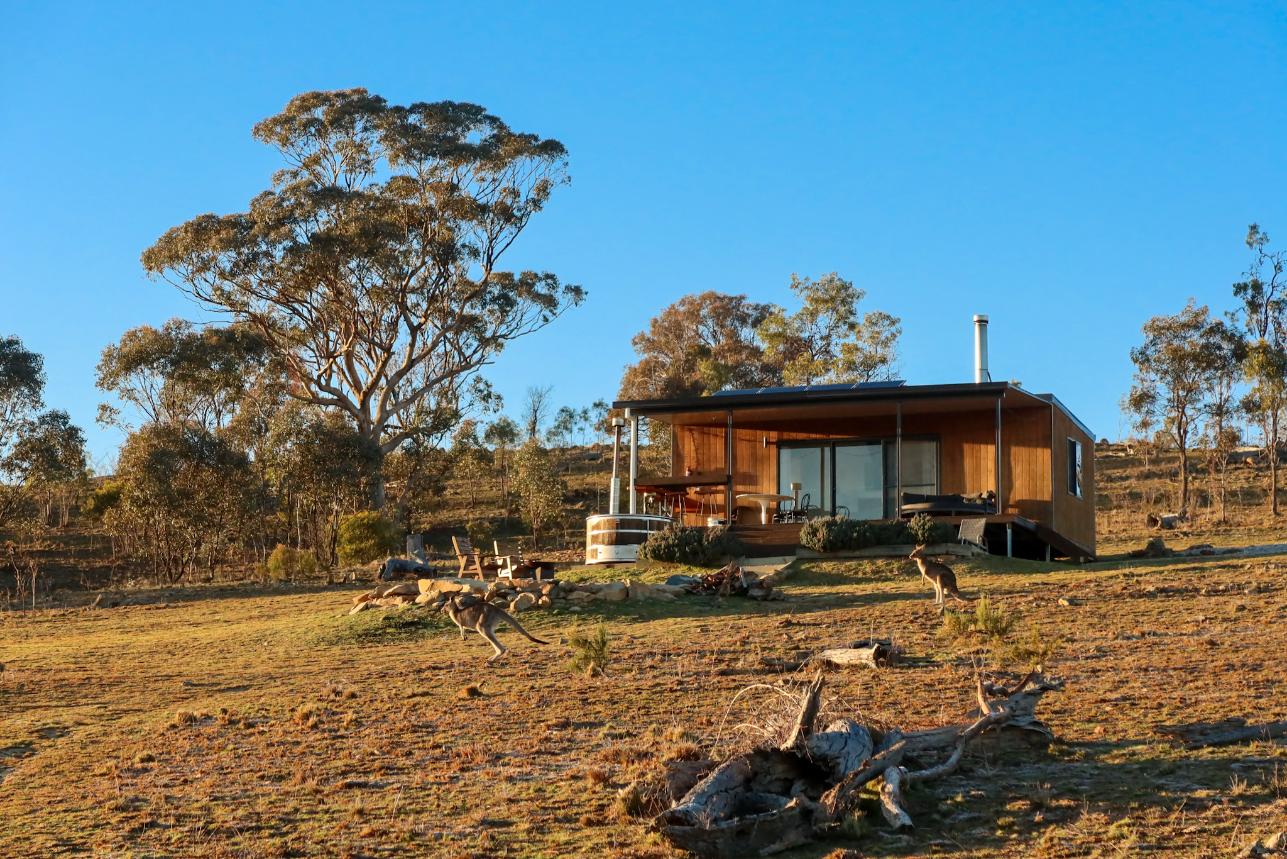
Set on a 320-acre working sheep and cattle farm in Mudgee, boutique off-grid accommodation Glenayr Farm is designed to allow guests to reconnect with nature. Accommodation options span four glamping tents and three villas, each of the latter equipped with a kitchenette, hot tub, indoor fireplace, and outdoor fire pit. Each of the modular, light-filled villas are spaced out to allow for privacy and are oriented to capture expansive views of the farm and the landscape beyond. We opted for the two-bedroom, two-bathroom (complete with full-sized Leif amenities) accessible villa which had ample space for three guests.
Price: villas from $600AUD/night
Address: 1257 Windeyer Rd, Windeyer, NSW, Australia
Explore and book Glenayr Farm here.
Dark Sky Eco Retreat
Tucked just outside the regional town of Coonabarabran and a short drive away from the Warrumbungle National Park, Dark Sky Eco Retreat lives up to its name. The boutique outpost is home to two off-grid lodges (the three-bedroom Banksia and two-bedroom Grevillea), each of which is set on a vast expanse of land and has ample outdoor space to unwind.
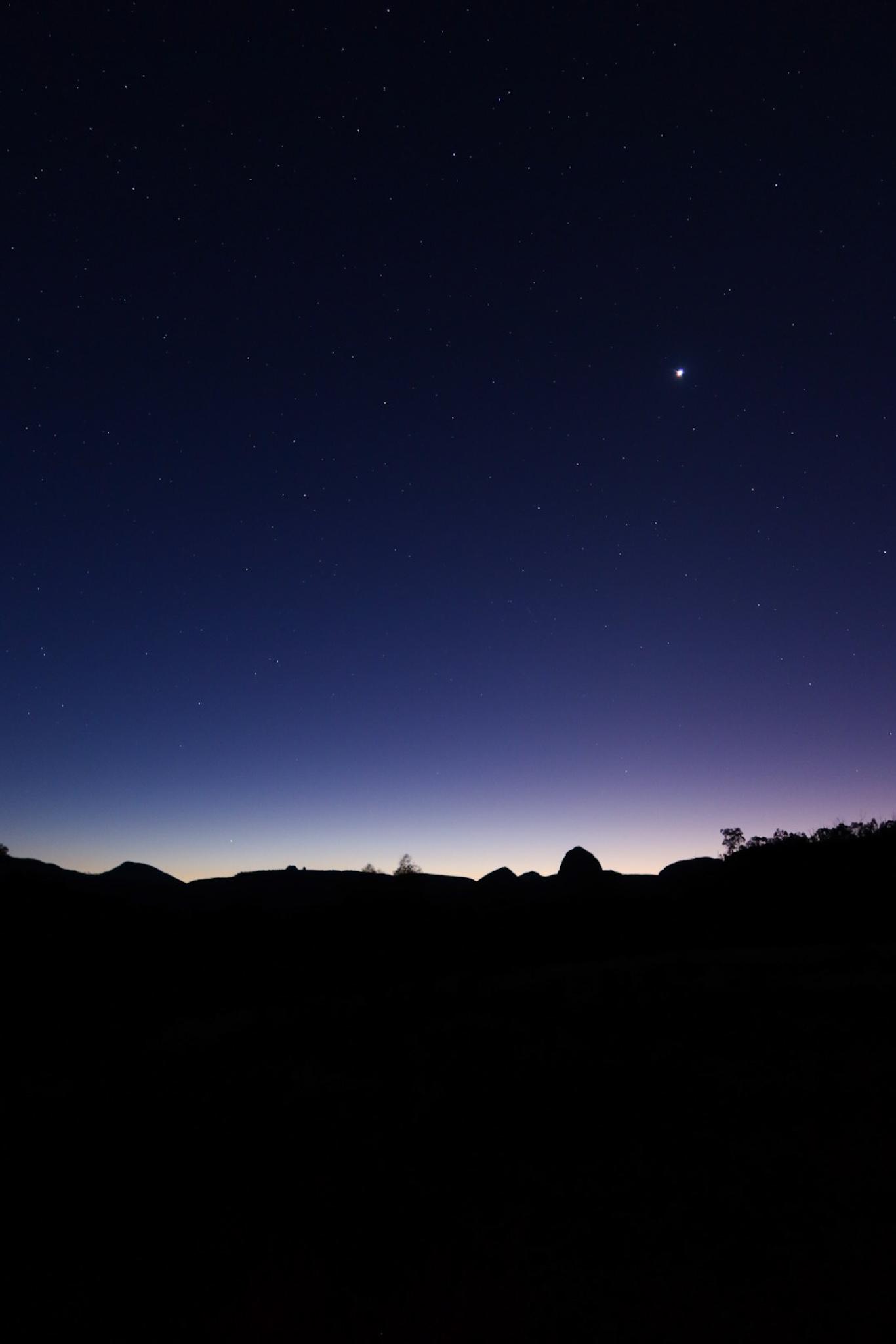
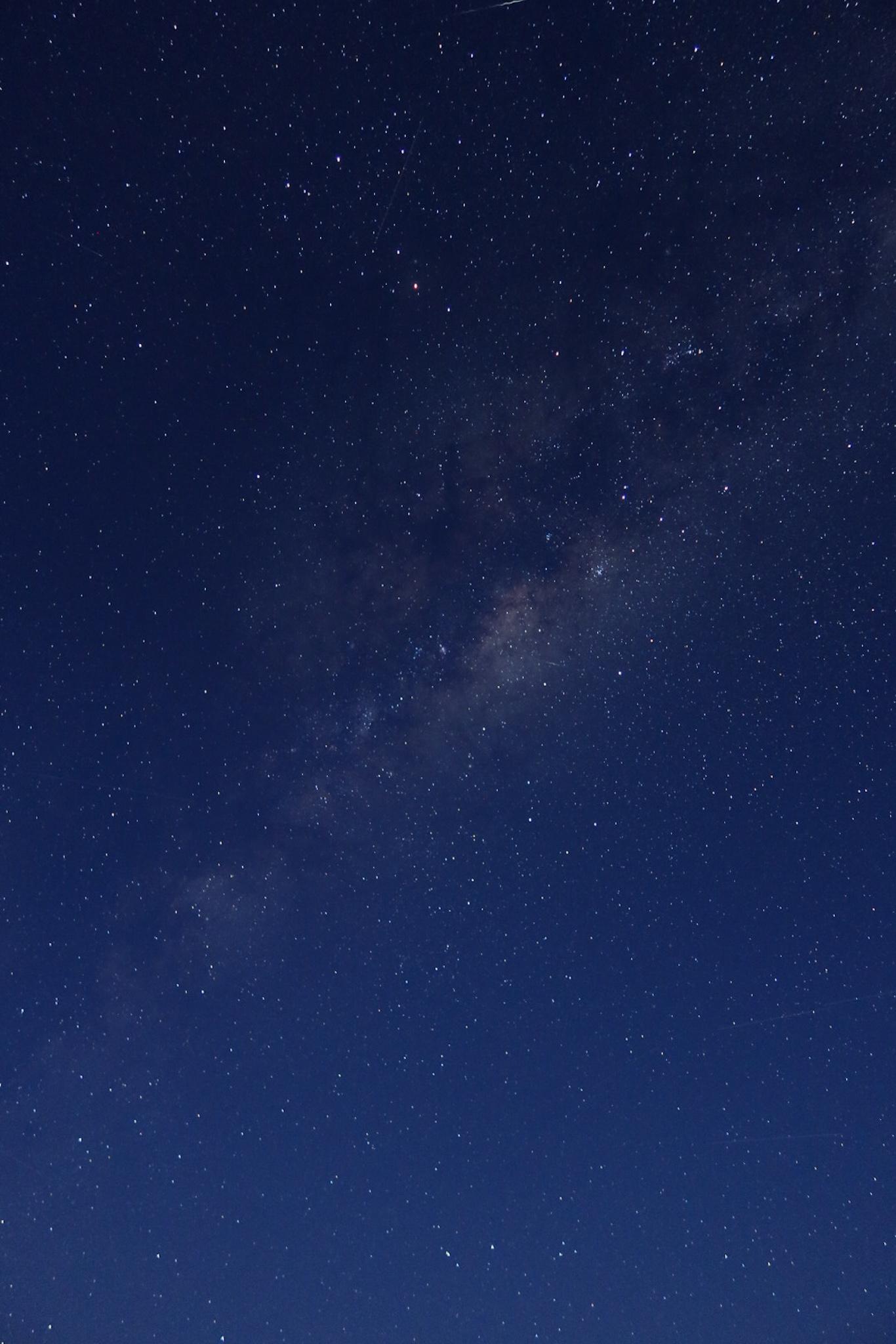
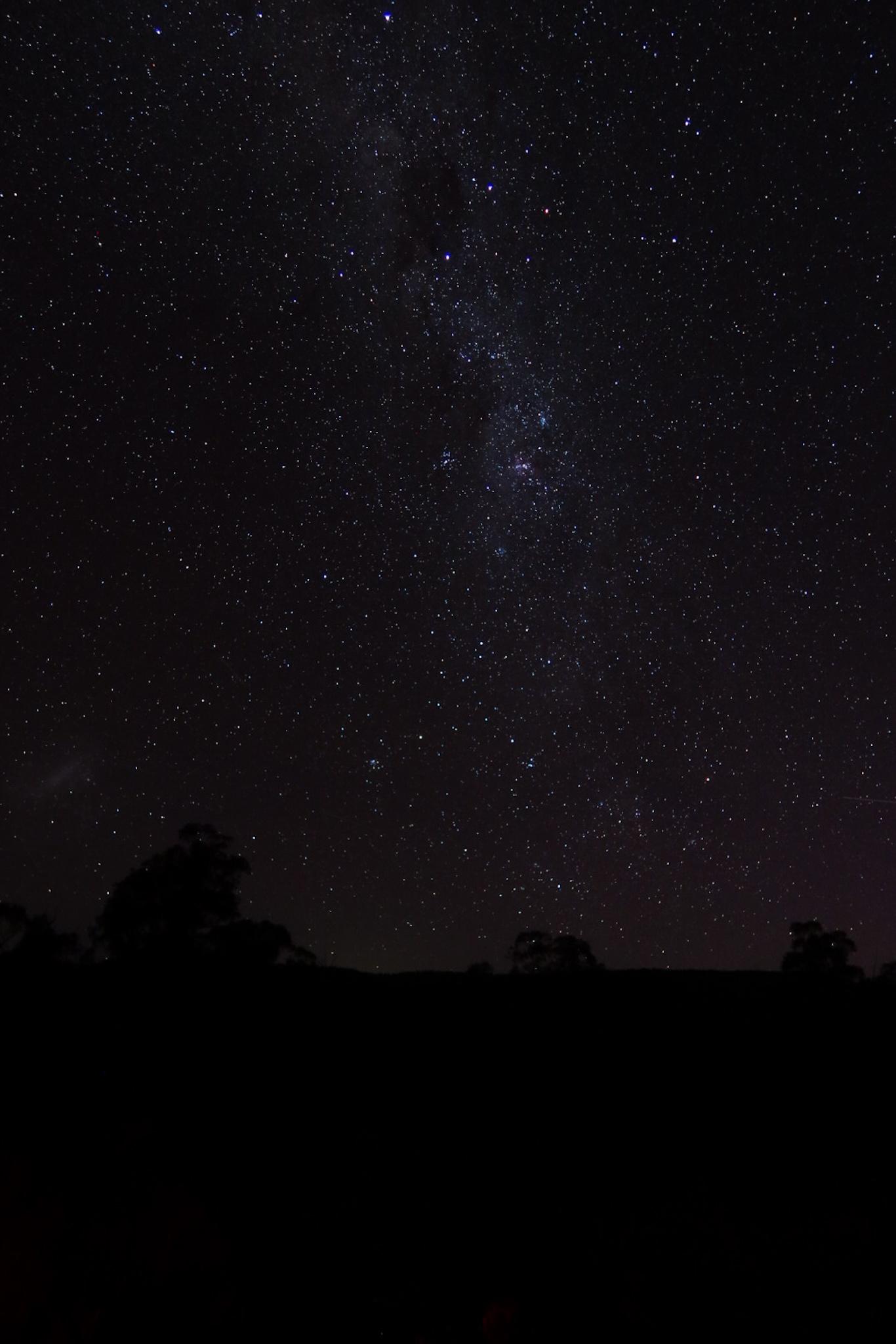
However, you’ll need to tilt your head for the main attraction. While staring up at the spangled night sky is a thrill in itself—particularly for urban dwellers accustomed to light pollution—husband-and-wife team Mark and Wendy Osmond’s private observatory not only brings the cosmos closer to your eyes, but helps make sense of them too. The duo’s studies of the skies combined with their high-tech telescope and AI technology creates an immersive experience that unpacks the astronomical wonders above us; from the Milky Way to constellations like the nearby Alpha Centauri A and B, the majestic cluster affectionately dubbed ‘The Jewel Box’, and the active Eagle Nebula.
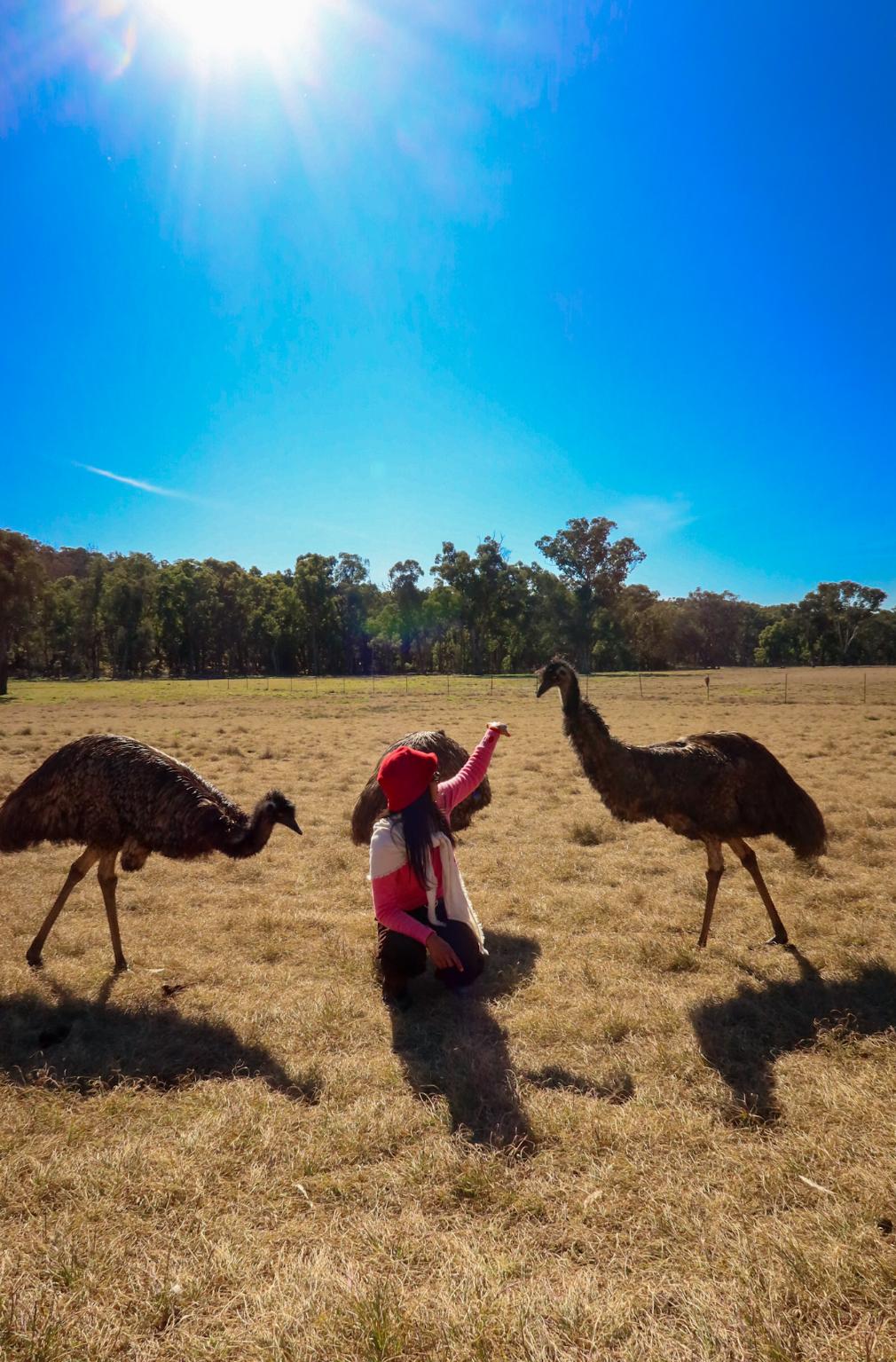


Come daytime, the country’s flightless—and often goofy—birds provide ample entertainment. Dark Sky Eco Retreat is home to a mob of emus, each hand-reared by Wendy and boasting their own idiosyncratic personalities. The Osmonds host an emu safari which weaves through the culturally significant marked trees and scarred canoe trees dotted amongst the property—which were modified by Aboriginal people to mark important sites and for practical purposes—before heading to see (and feed!) the emu mob.
Price: from $550/night, with a minimum stay of two nights
Address: 333 Carmichaels Lane, Coonabarabran, NSW, Australia
Explore and book Dark Sky Eco Retreat here.
A welcome stopover: Norwood Arthouse, Blackheath
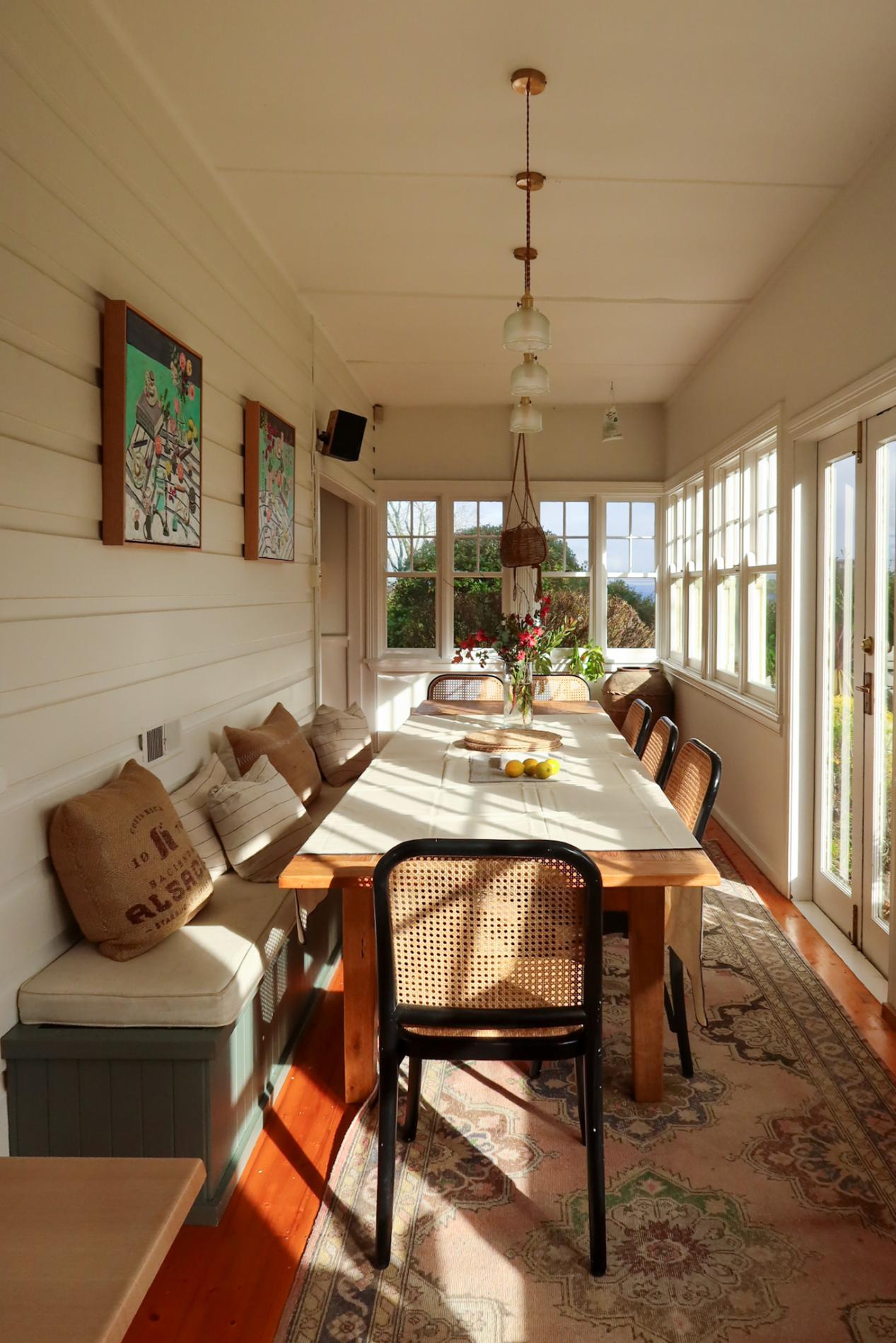
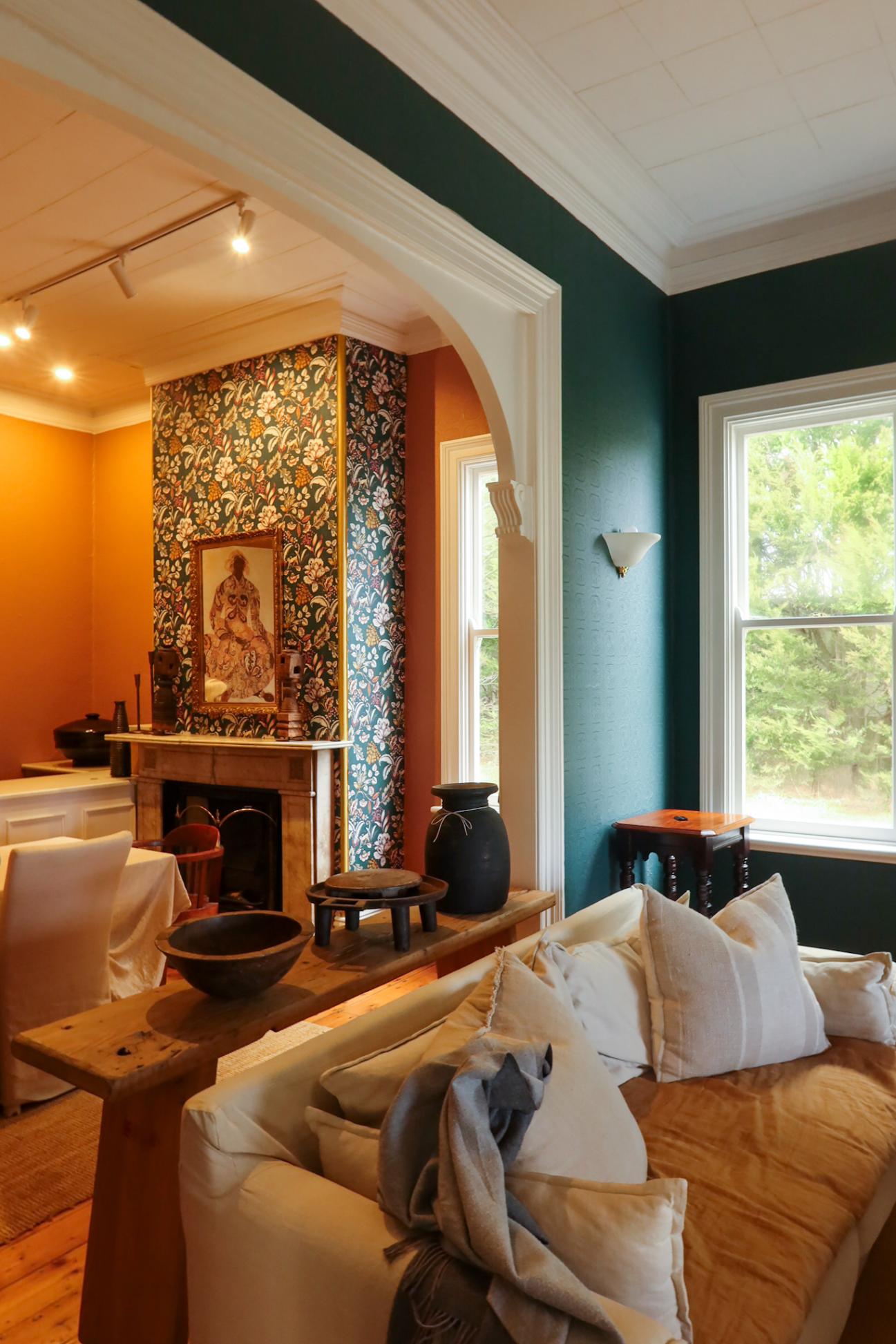
On your way back, break up the drive with a stop at Blackheath. Visit Govett’s Leap lookout and peruse one of the many antique stores in town before settling in for the night at Norwood Arthouse. A heritage-listed seven-bedroom home, the generous gathering spaces combine classic architecture with elegant wallpaper and a maximalist colour scheme.
Price: from $1600/night, with a minimum stay of two nights
Address: Great Western Highway, Blackheath, NSW, Australia
Explore and book Norwood Arthouse here.
Where to dine in the Central West of NSW
As one of the state’s core wine counties, Mudgee is replete with places to imbibe and dine in equal measure. However, as you head further inland, options start to taper out, which is why we recommend eating to your heart’s—and stomach’s—content in Mudgee, and picking up snacks and cooking supplies before heading to Coonabarabran.
The Barn at Blue Wren Farm, Mudgee
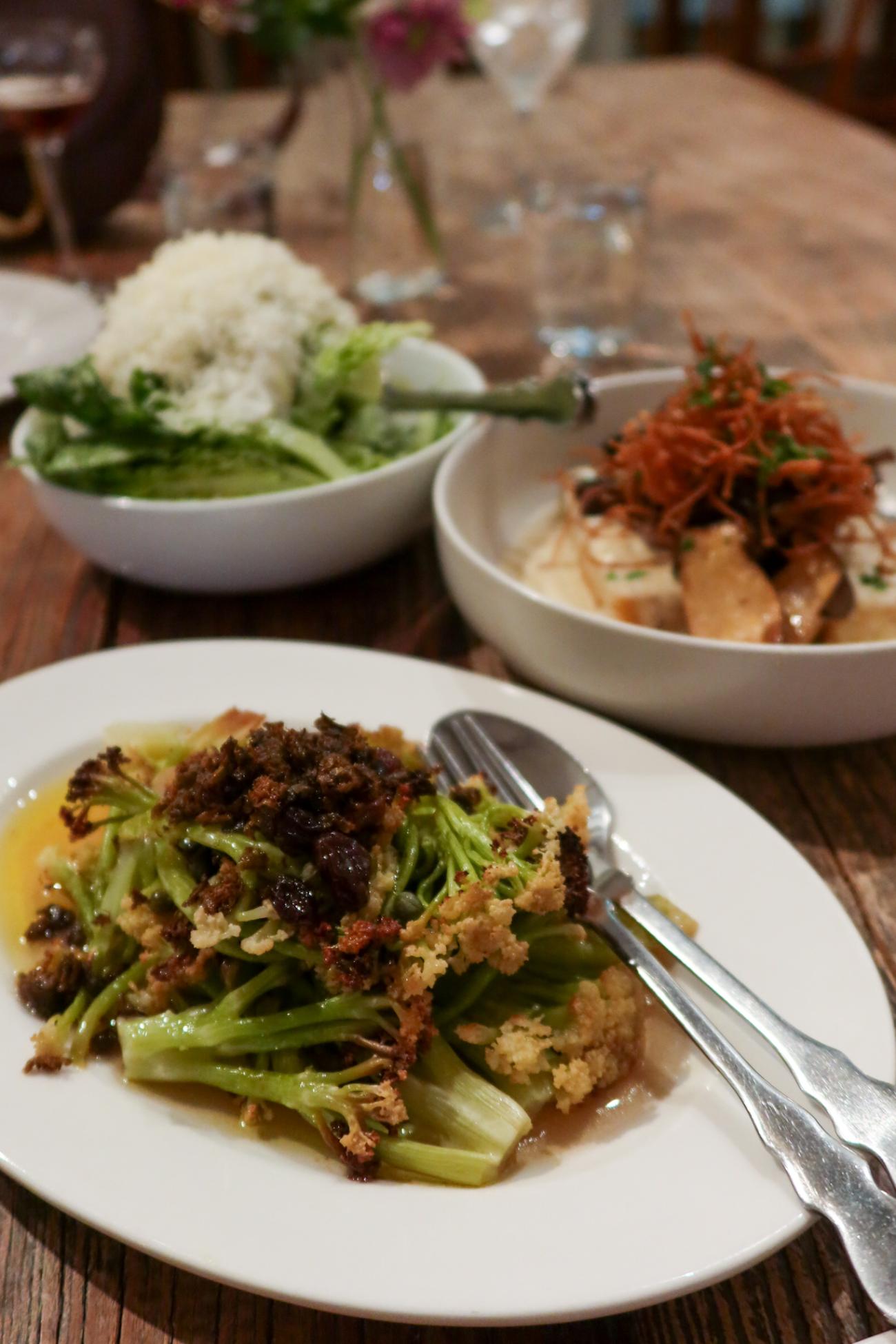
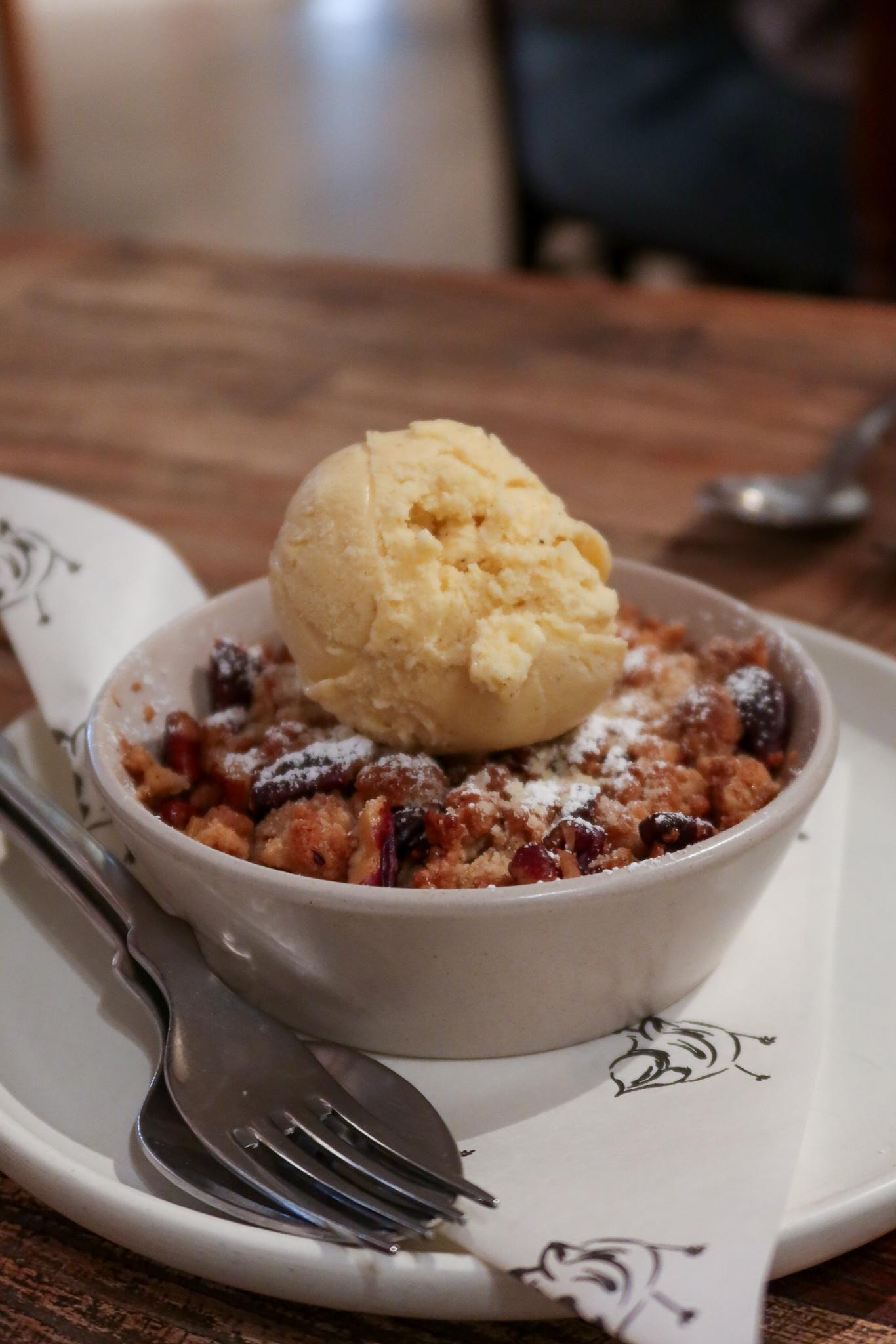
The ever changing menu at The Barn at Blue Wren Farm prioritises simple, seasonal produce with a Mediterranean touch. With our visit taking place in the winter, we feasted on pumpkin and sage arancini; mushrooms with polenta and gorgonzola cream; and roasted fioretto cauliflower. Oh, and regardless of season, don’t miss the sourdough focaccia.
Address: 433 Ulan Road, Mudgee, NSW, Australia
Gigi’s, Mudgee
Designed to be shared, the menu at Gigi’s offers up generous produce-led dishes with highlights including the ‘nduja crumbed squid, chicken ballotine, and roasted cauliflower.
Address: 1 Sydney Road, Mudgee, NSW, Australia
Silver Fox Cafe, Gulgong
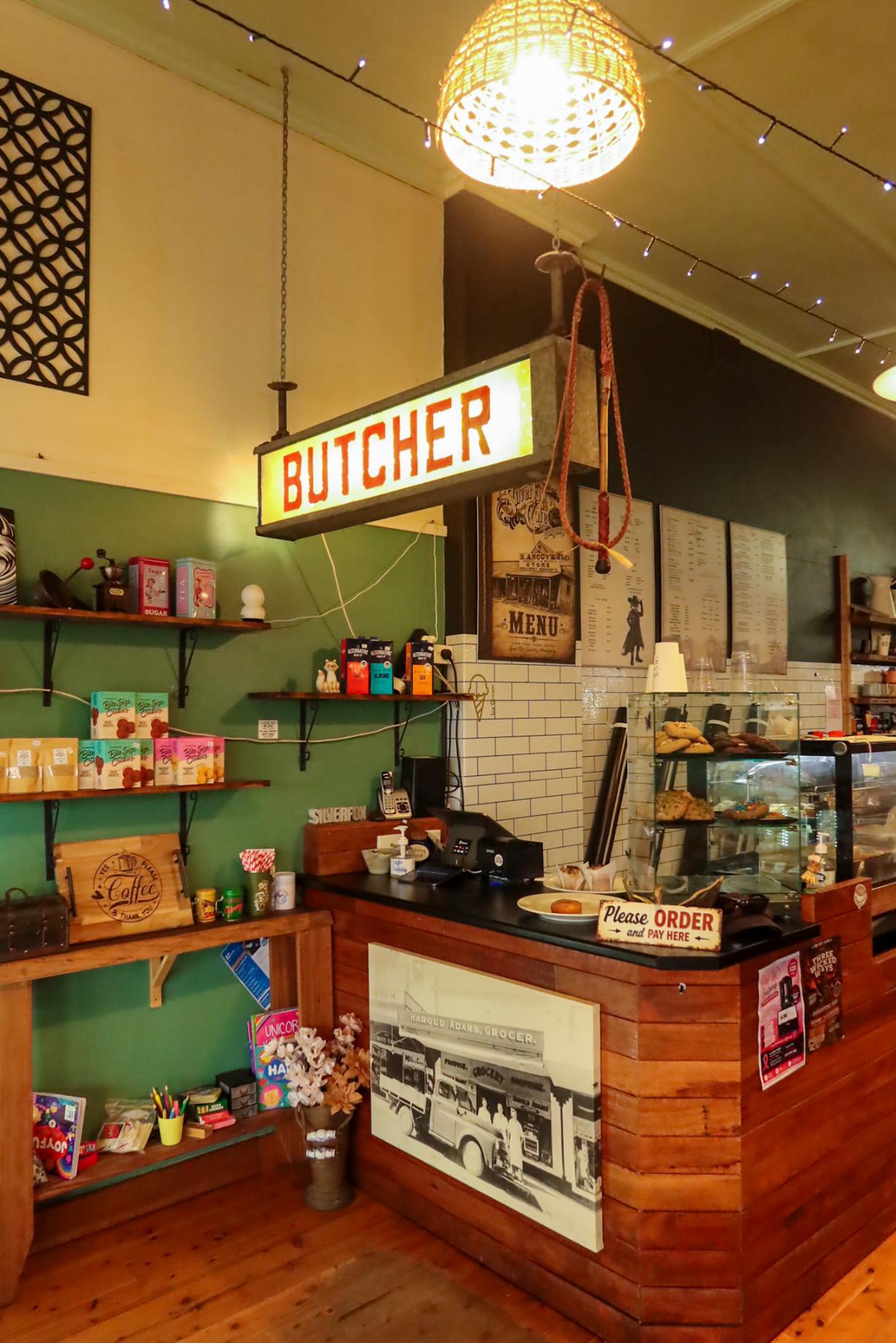
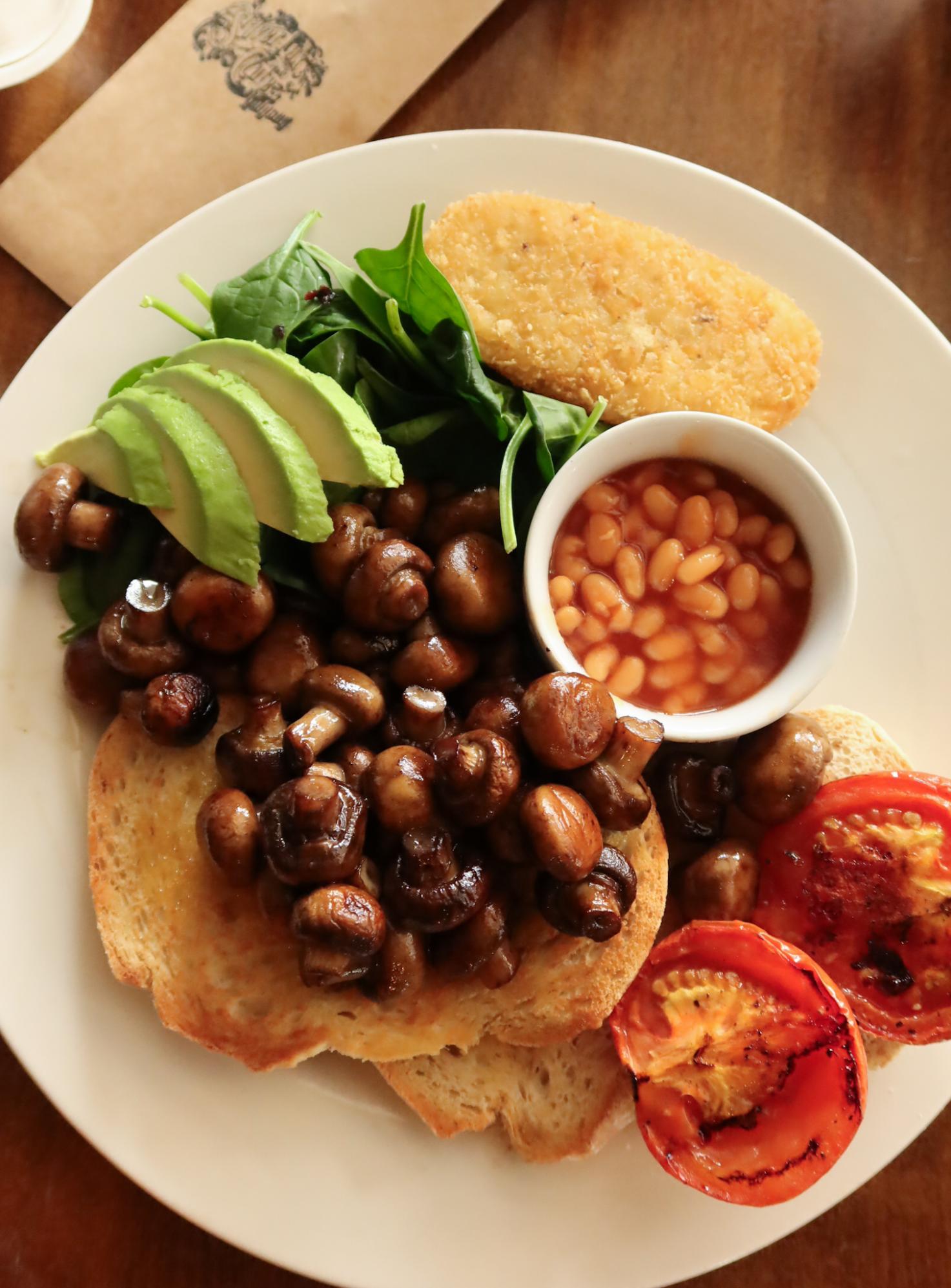
A charming cafe within the equally charming ten-dollar town, Silver Fox Cafe serves up hearty, home-cooked meals within eclectic surroundings. The coffee is good and the portions generous — opt for one of the big breakfasts and round it off with a thick slice of one of the freshly baked cakes.
Address: 113 Mayne Street, Gulgong, NSW, Australia
A welcome stopover: Blaq, Blackheath
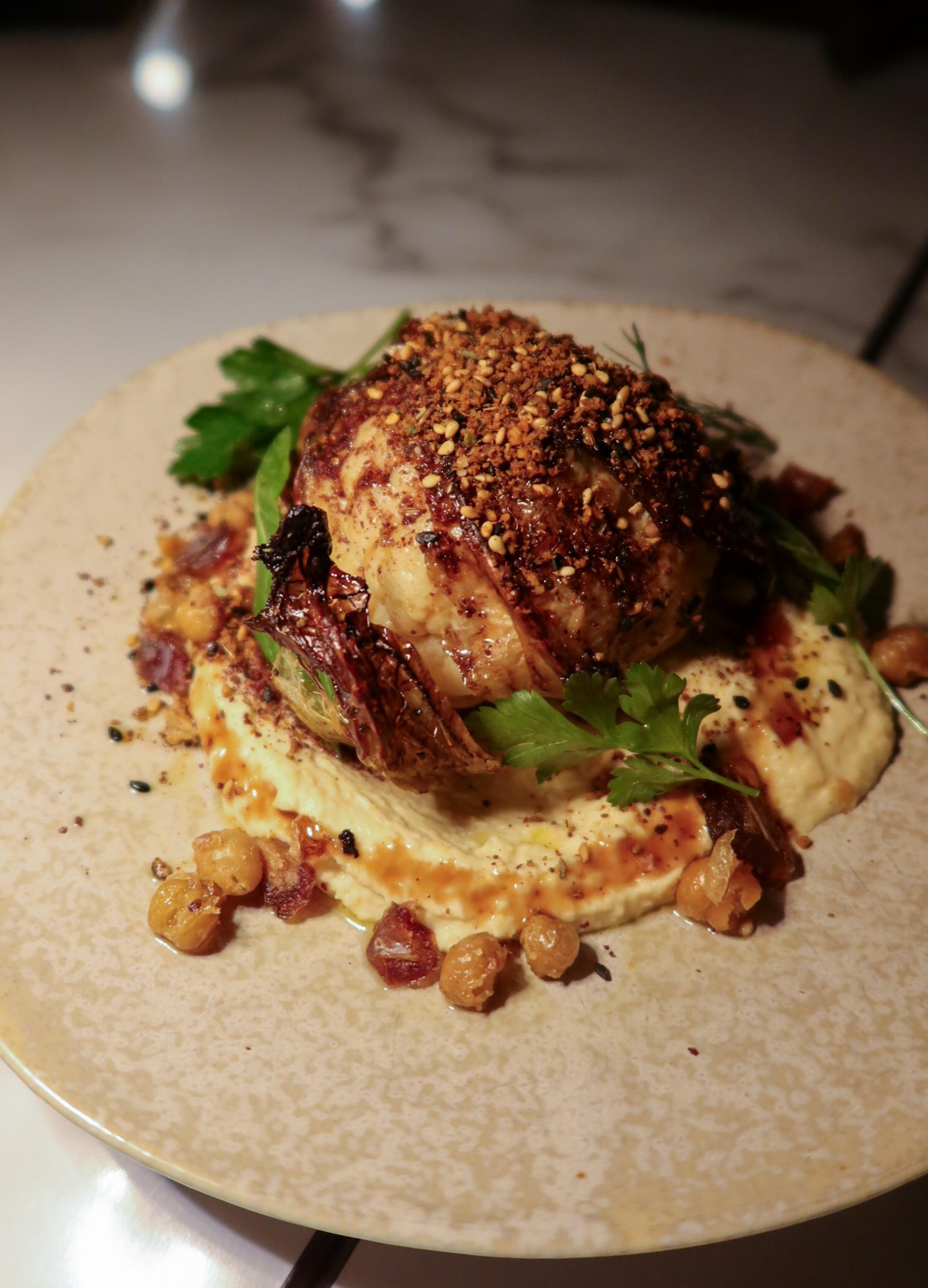

A modern Australian restaurant with a global outlook. Blaq sees executive chef Alejandro Huerta and head pastry chef Galia Valadez utilise seasonal hyperlocal produce to craft impactful ingredient-led dishes with a twist. The padron peppers with macadamia are a calling card for the spice inclined, while the hibachi fired mackerel with fennel and whole eggplant with labneh and pomegranate blend culinary techniques from across the globe to masterful effect. Vegetarians are well catered for here, with a plethora of vegetable-led sides and options within the small and large shared plates.
Address: 13-17 Brightlands Avenue, Blackheath, NSW, Australia
What to see and do in the Central West of NSW
The heritage town of Mudgee is a playground for oenophiles and epicureans. There are over 40 cellar doors in the region, so even those with an iron liver will need to come back for multiple trips to drink their way through town. We’d recommend staying a minimum of one night (and enlisting a designated driver with really good self control) — but two is best if you can spare the time. That said, the truly dedicated can still get through an enviable amount of pours. Our must-visit cellar door sip list is as follows. Lowe Family Wine Co. for the biodynamic and organic zinfandel and shiraz (not to mention the beautiful grounds); Rosby Wines for low-impact cabernet sauvignon; and De Beaurepaire for elegant French-inspired semillon and blancs de blancs.
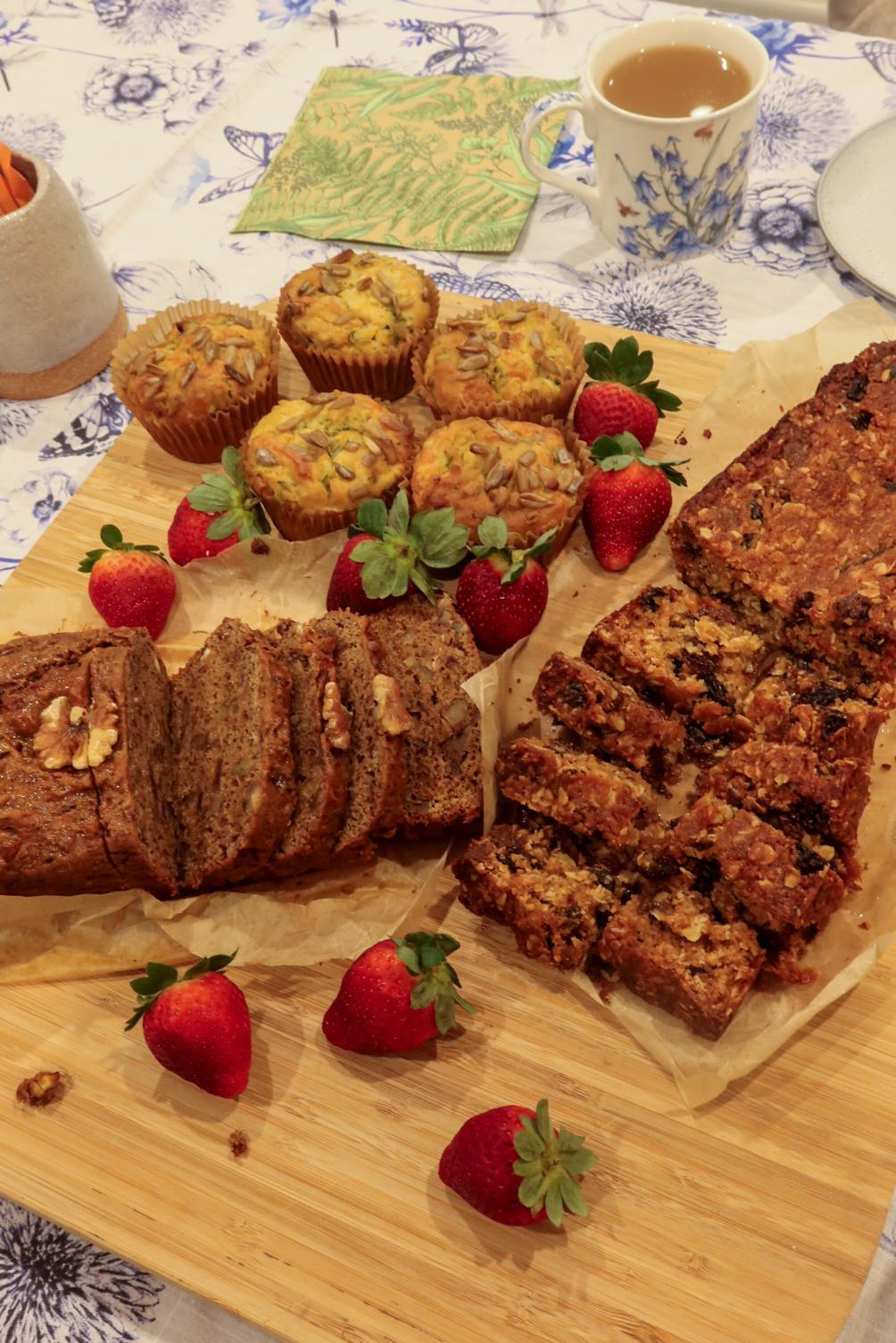
Once you’ve had your wine fix, tour a working farm with Piambong Creek Farm Tours. Owner Beth drives you across her family’s sheep and cattle farm in a buggy, explaining the farm management and operations that go into its running. Taking place in the morning and afternoon, each tour ends with a grazing spread complete with delectable home-baked treats, enjoyed as a picnic on the farm (or in the cosy farmhouse should it be raining, as was the case on our visit).
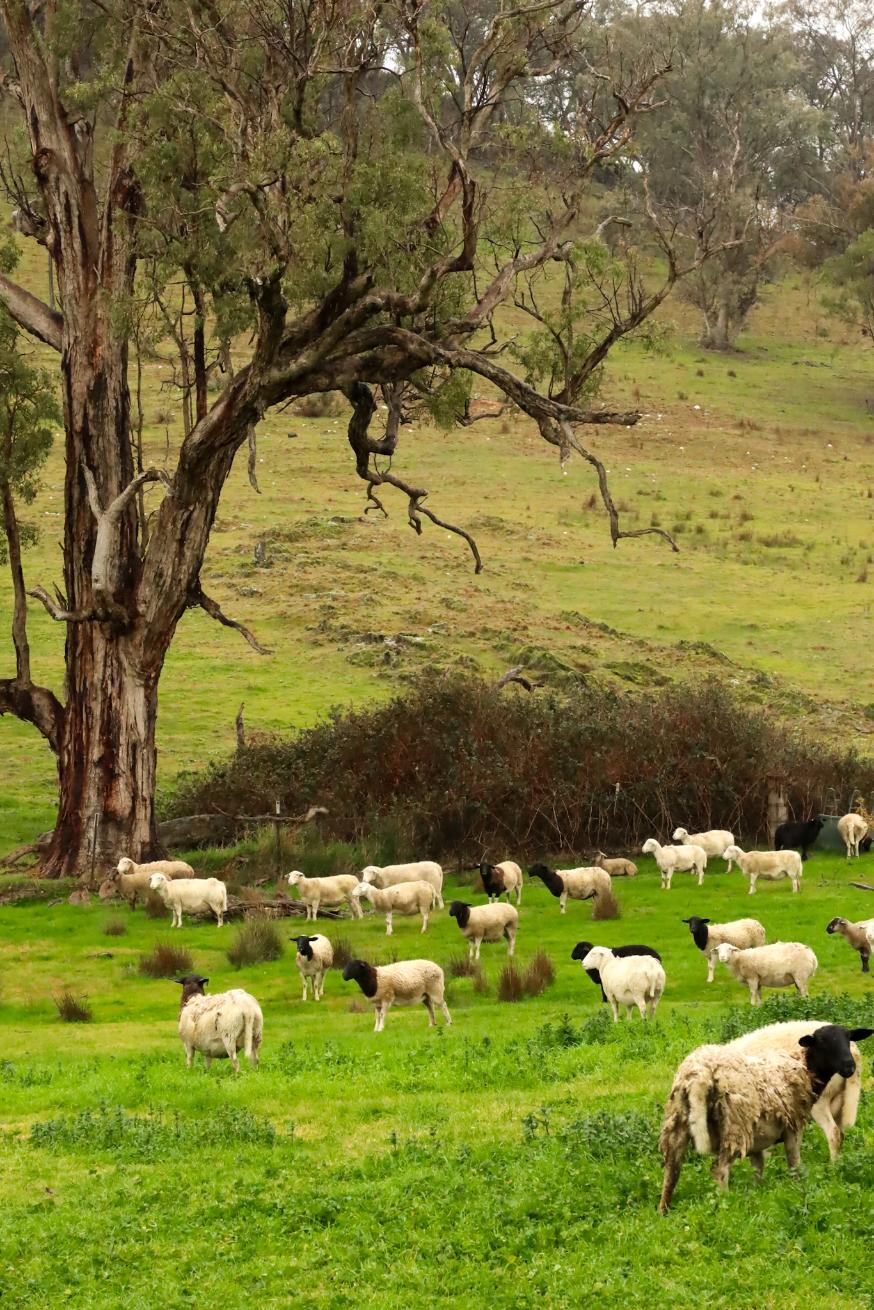
Coonabarabran is known as the ‘Astronomy Capital of Australia’, so a visit to the Siding Spring Observatory for an explainer on the history of the town and information on dark sky planning is a must. As it’s a working research facility, the observatory is only open to visitors during the day, so it’s a place to understand the work behind the facility and the technology behind the telescopes as opposed to actually stargazing here.
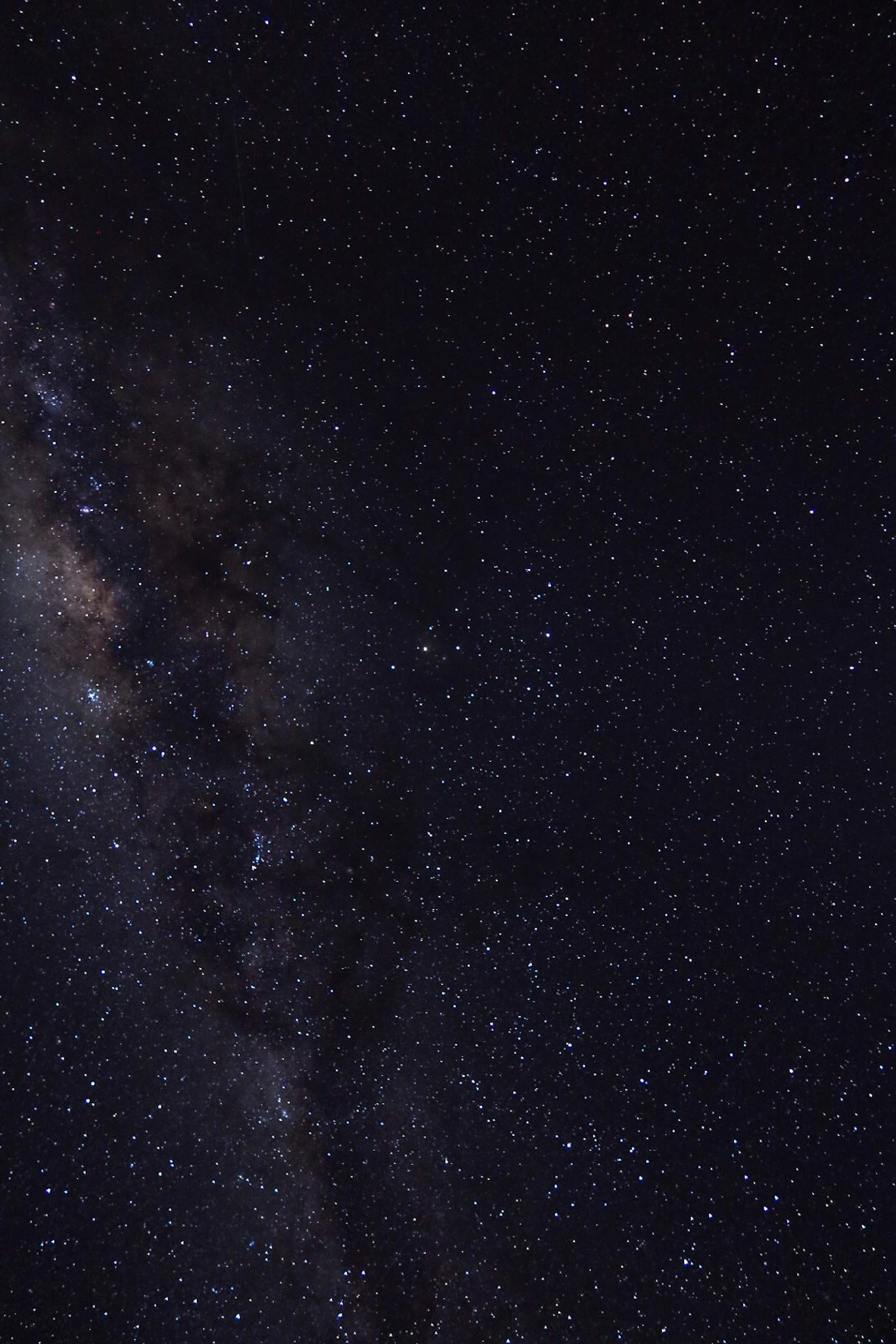
Come nightfall, the main attraction is outside — whether it be simply staring up at the stars or organising a dedicated stargazing session with one of the town’s operators. We’d recommend staying at the Dark Sky Eco Retreat and booking their stargazing experience (exclusive to guests) for a full breakdown of which galaxies and constellations you’re looking at.
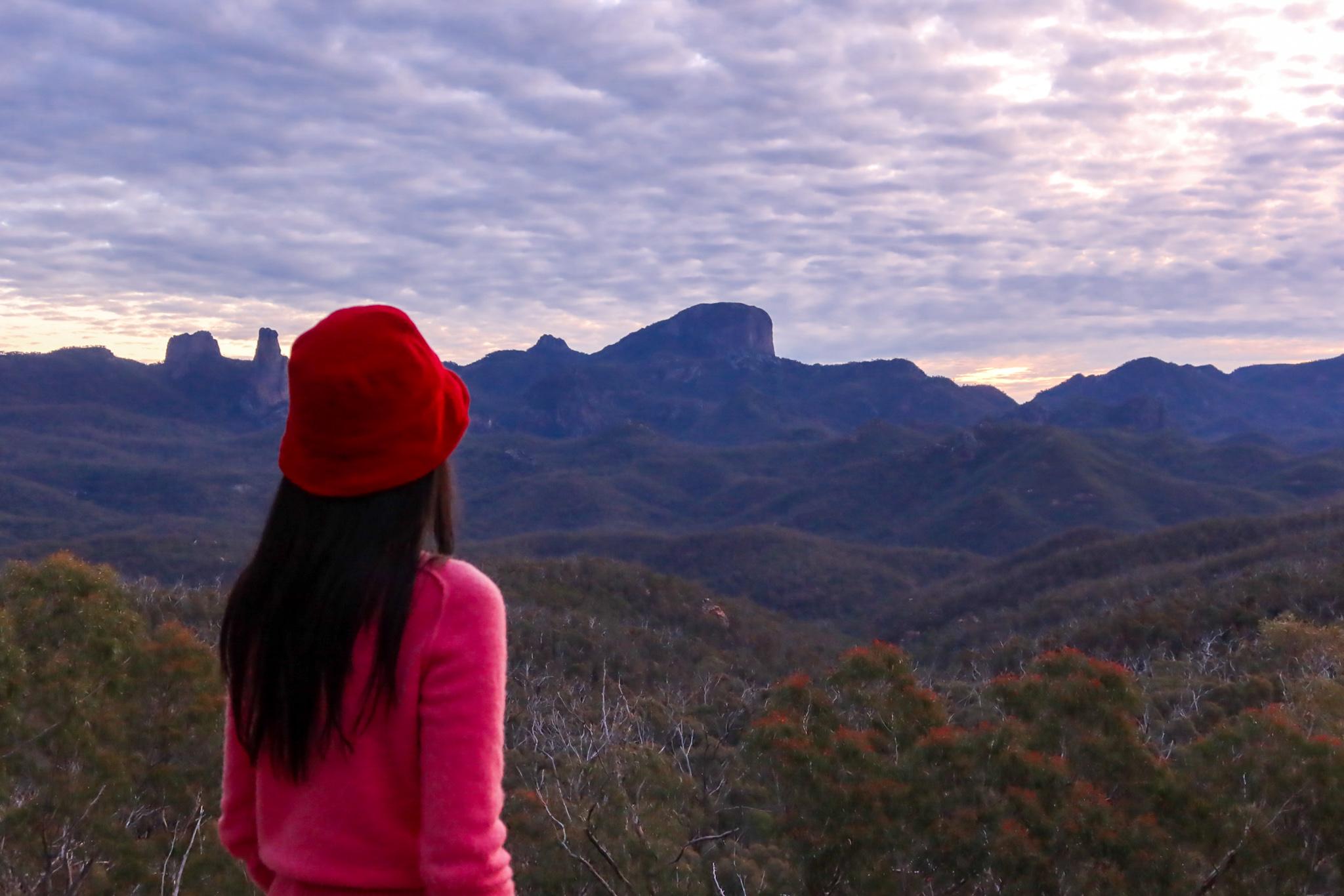
No visit to Coonabarabran is complete without a trip to the Warrumbungle National Park. Start early and embark on the Breadknife and Grand High Tops Walk; the 15 kilometre hike is well worth the effort, passing positively otherworldly landscapes and rock formations. At night, find a parking spot—or camp, if you’re feeling adventurous!—and enjoy nature’s theatre.
What to pack
Autumn and winter are the best times to visit for stargazing, however it does get cold, with temperatures dipping as low as -5°C at night. With that in mind — dress warm. The Central West of NSW region veers sartorially casual, with most people dressed in some variation of sturdy boots, trousers, knitwear, and outerwear. Uniqlo remains my go-to for reliable, well-made staples that I’m not afraid to get a little dirty — the brand’s 100% cashmere sweaters and corduroy trousers from their collaboration with French brand Comptoir des Cotonniers kept me warm and comfortable throughout the trip. While a puffer jacket was the outer layer of choice for most locals, consummate urbanites would do well to swap this out for a wool coat.
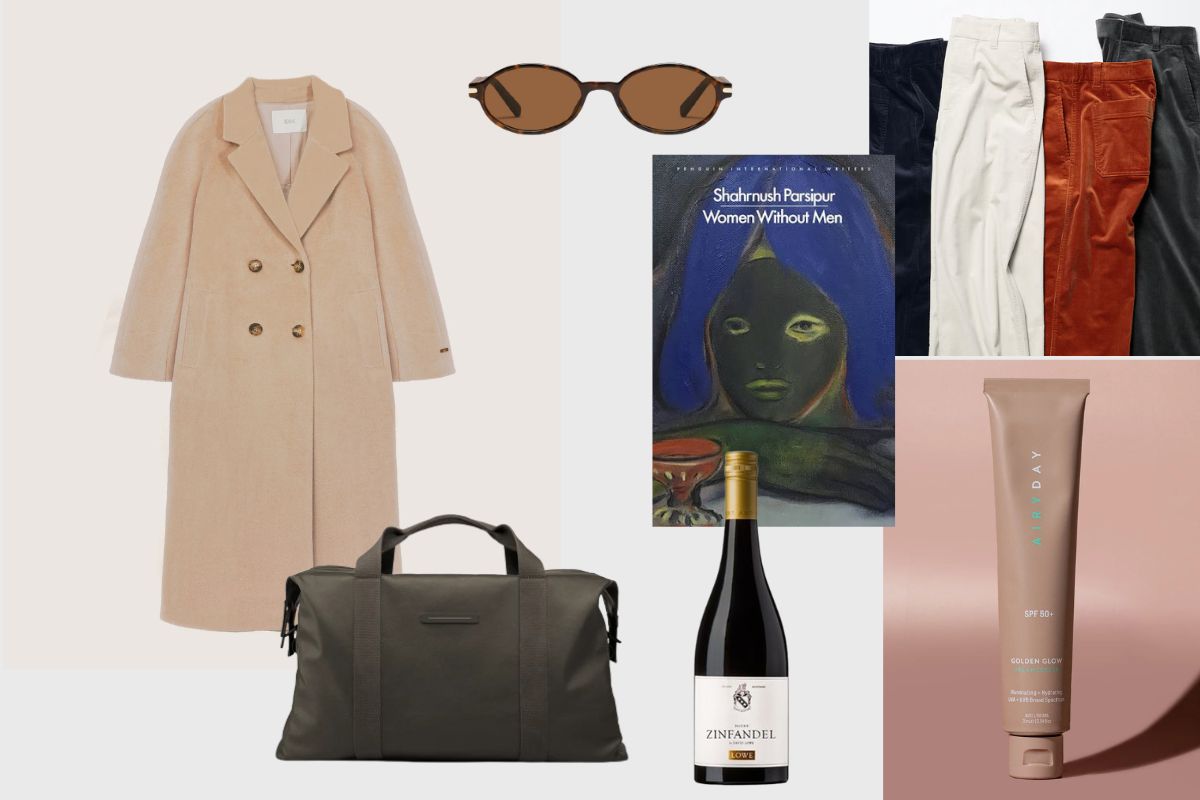
Remember to pack sneakers or hiking shoes for bush walks, as well as thermals to keep the cold air out while stargazing in the cooler months. And of course, a good book and a good SPF (regardless of how cold it is outside!) are always a must. Ditch the suitcase and pile it all into a sturdy waxed cotton-canvas weekender.
The playlist
It would be foolish to rely on the—very limited—powers of FM radio on a road trip like this. With the hottest 100 giving way for static almost the moment you hit the triple digit speed limits on the Great Western Highway, it’s imperative to have a playlist on standby. Further to that; with internet reception very limited in and around the Warrambungles, it’s necessary for said playlist to be downloaded for offline listening. For chill vibes, this playlist curated by Aphex Twin for Supreme goes down a treat.
Words by T. Angel