

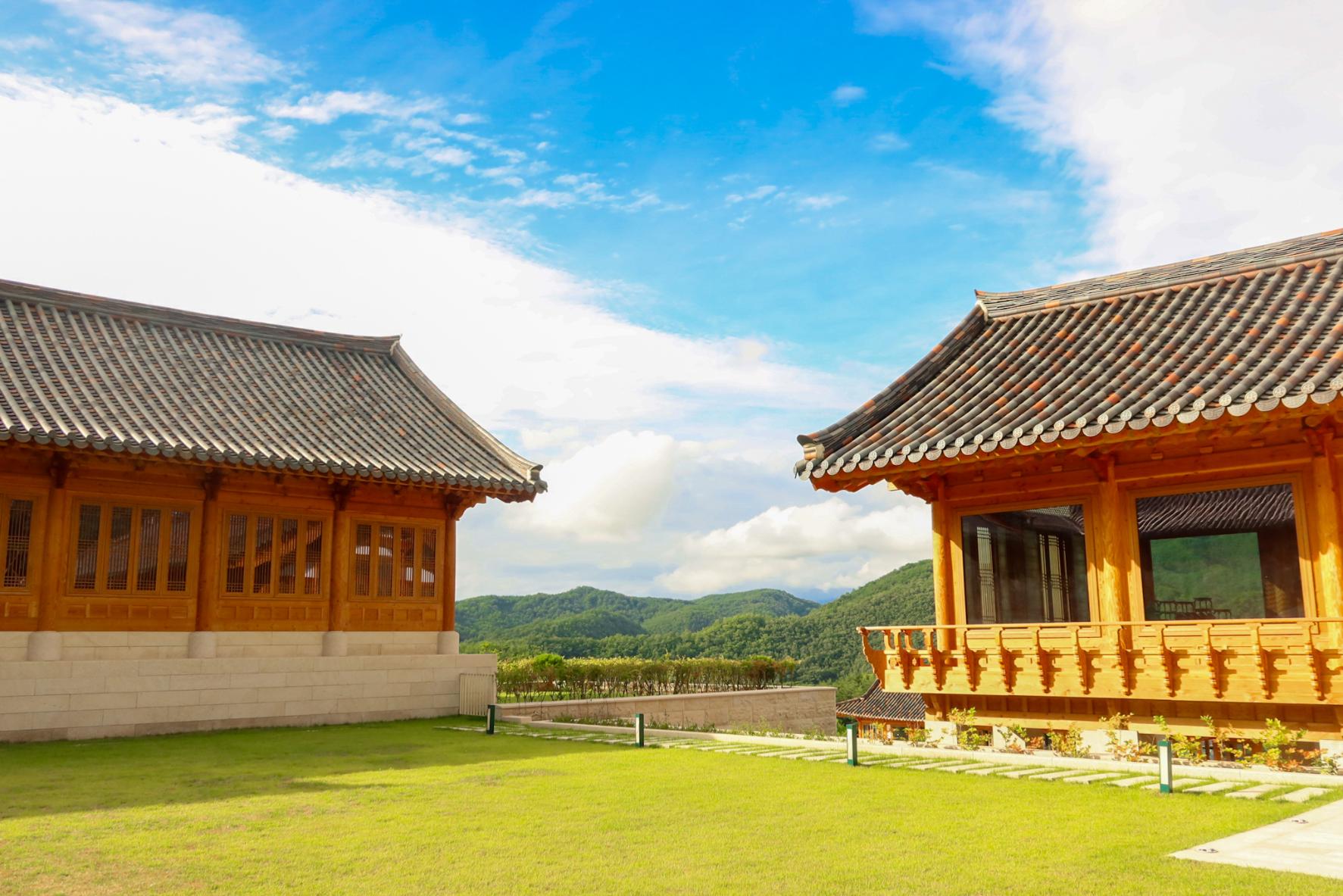
Ensconced in the mountainous county of Yeongwol, The Hanok Heritage evokes a slice of old world Korean charm. Sprawled over a vast clearing surrounded by pine forests and backdropped by mountains, The Hanok Heritage merges tradition with modernity, drawing upon the architectural principles of the country’s historic vernacular hanok architecture as well as its time-honoured culinary and cultural rituals.
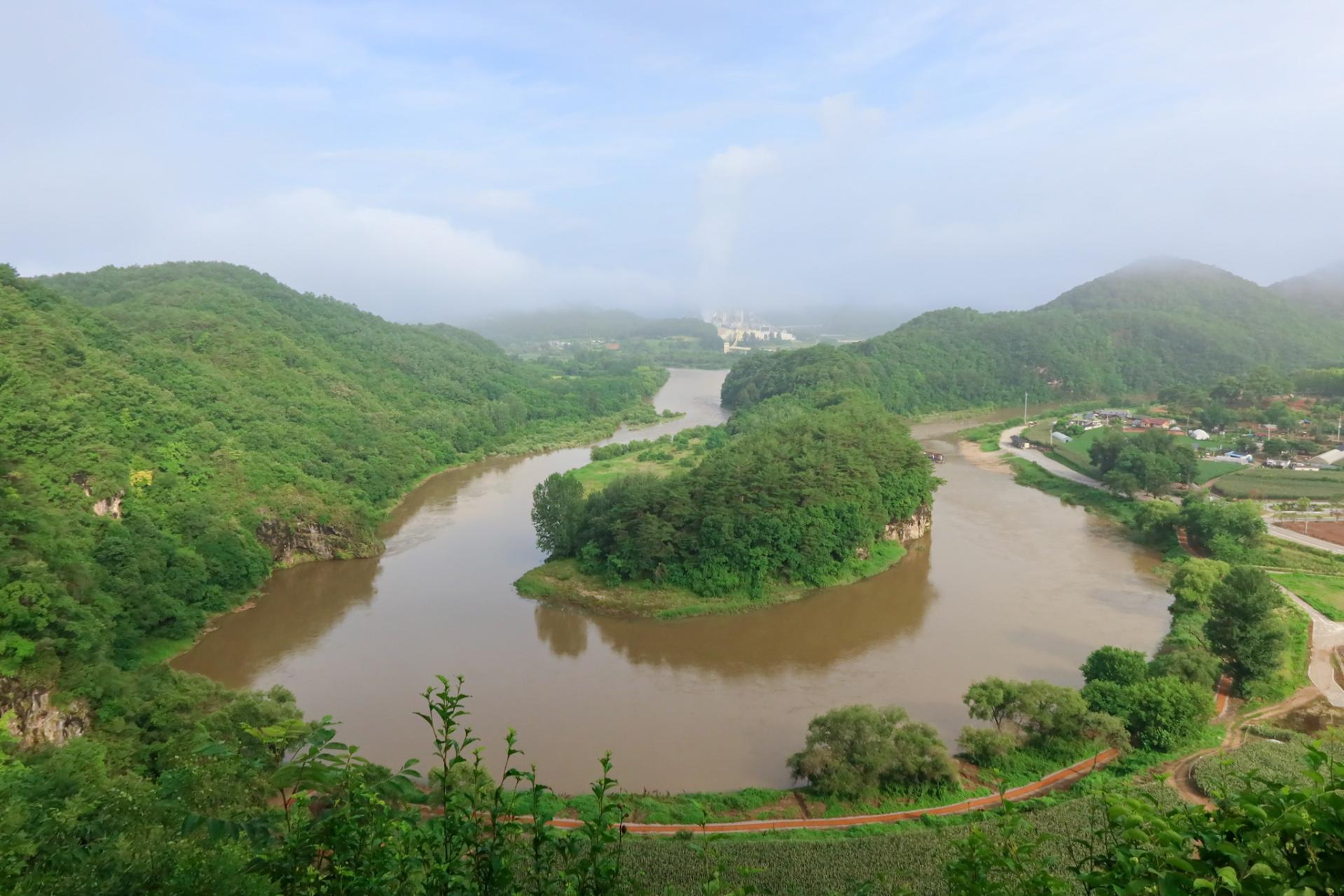
While Seoul, Busan, and Jeju Island tend to garner the lion’s share of attention when it comes to travel in South Korea, those desirous of a restorative escape would do well to make way for Yeongwol. Located in the verdant Gangwon Province of South Korea, around a two-hour drive east of Seoul, Yeongwol is known for its abundant natural beauty yet remains relatively unknown to international tourists—although its role in the historical drama The King’s Warden has served to bolster its popularity—and is largely visited by cosmopolitan locals in search of a respite from the bustle of the capital.
The Hanok Heritage was conceived as a passion project for informational technology entrepreneur Cho Chung-il who, after decades working in digital spaces, yearned for analog experiences and set out to create a space that embodied the comfort of home while providing unparalleled luxury. Honing in on the quintessentially Korean concept of hanok—a visually distinct vernacular architecture style that emphasises being in harmony and adopts a nail-free construction method—and adapting it for the modern era, The Hanok Heritage executes traditional ideologies through passive design principles and modern construction technology, resulting in a space that’s both luxurious and sustainably minded.
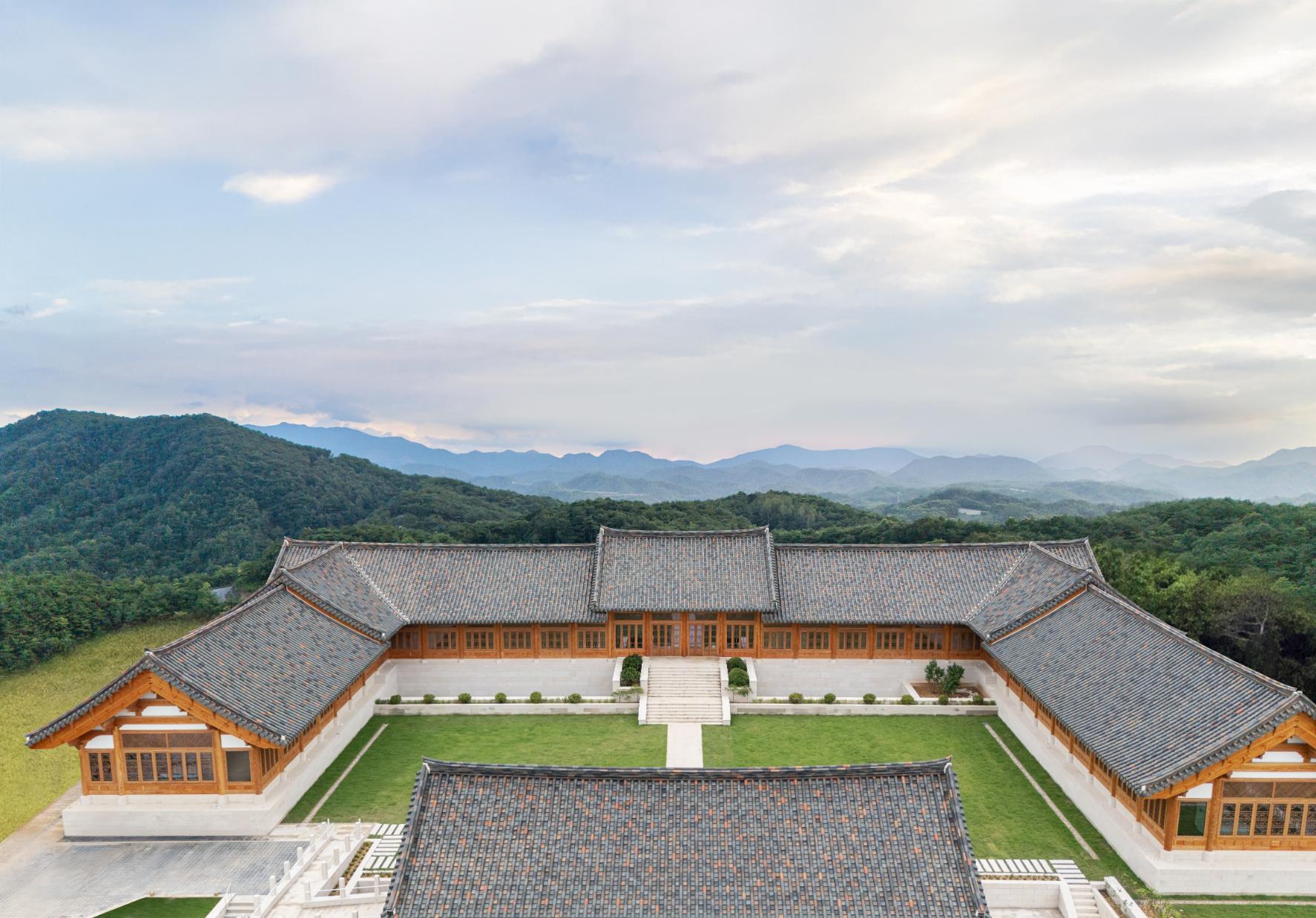
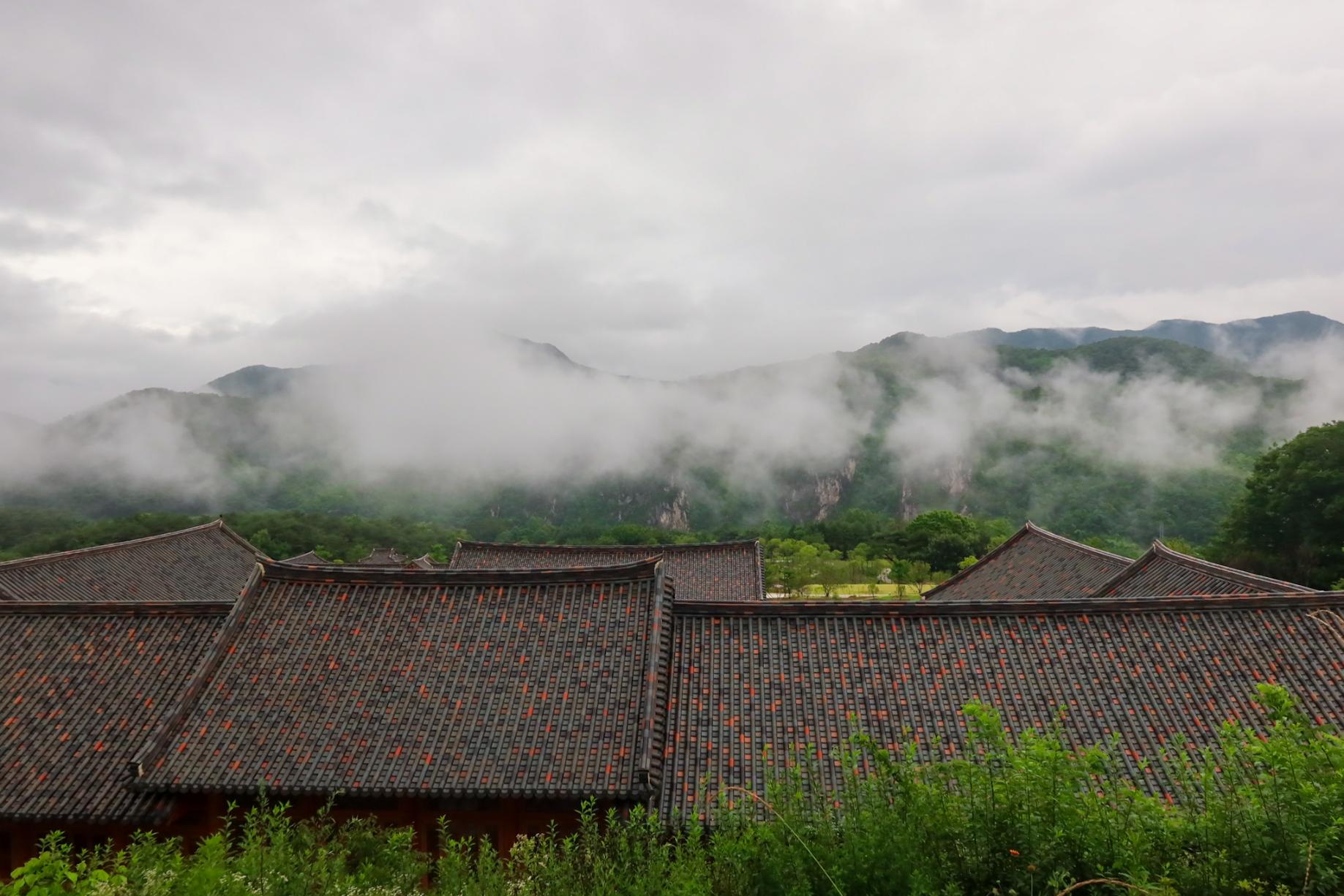
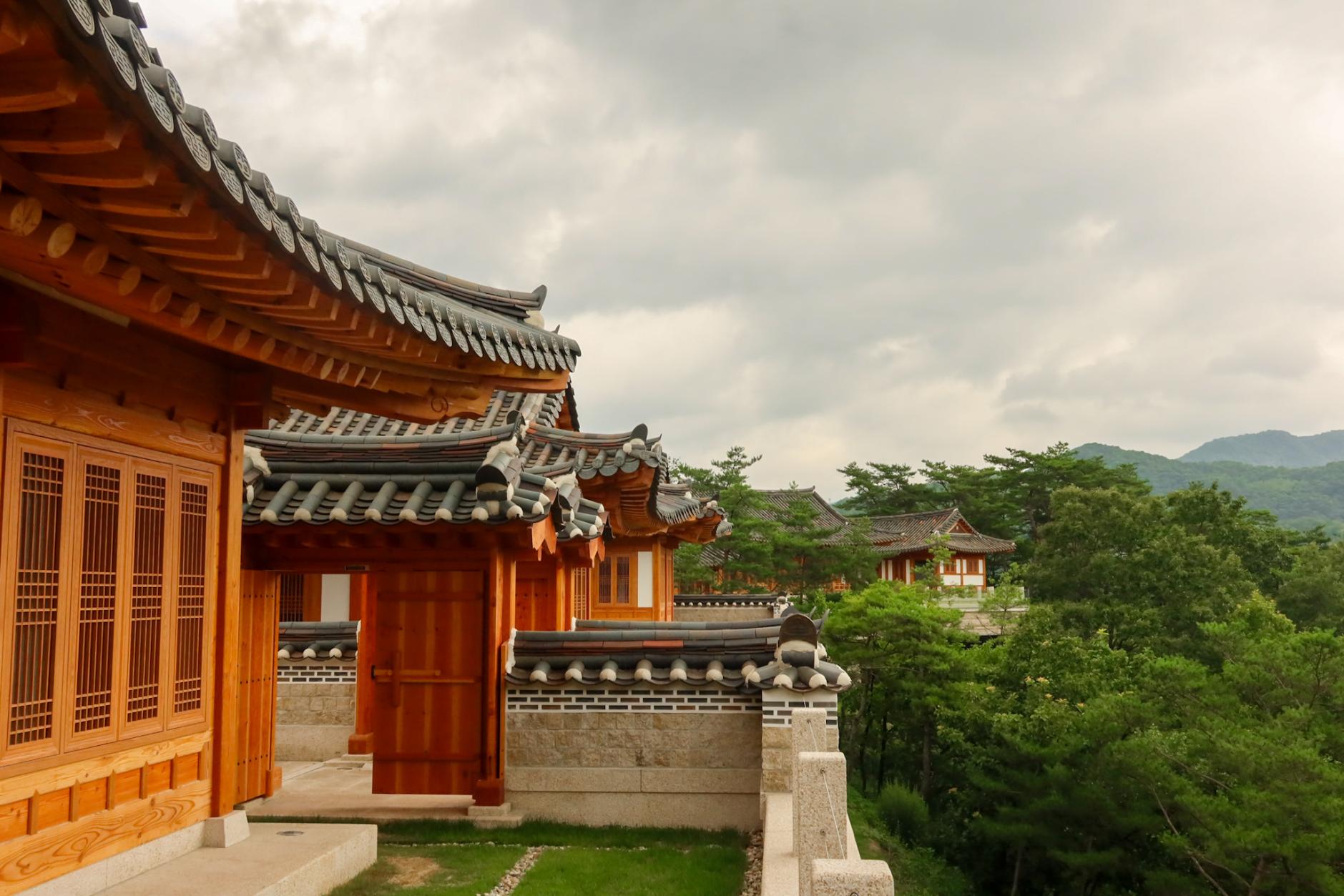
Drawing inspiration from the Jongmyo Jeongjeon, a 16th-century Confusian royal shrine in Seoul, The Hanok Heritage unfolds across the site as a series of wooden hanoks, their sweeping curved roofs forming a graceful silhouette against the mountainous backdrop. The property comprises 20 hotel rooms and suites, as well as five generously sized four-, three- and two-bedroom villas. The rooms are housed within the main block, which also plays host to the establishment’s two restaurants, Restaurant Namu and Restaurant Monto, as well as a gallery and lounge.
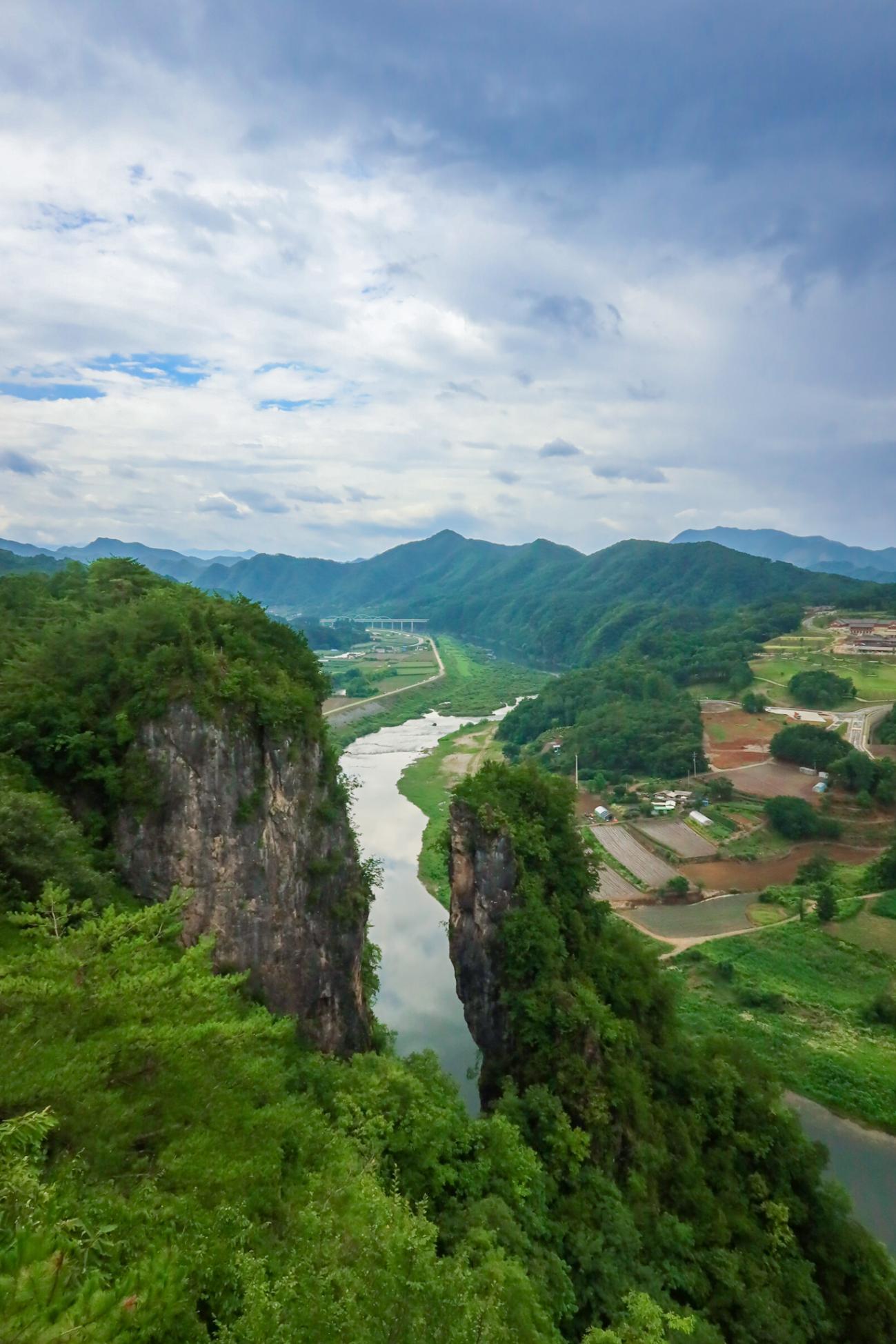
Bordered by the Seogang river and sitting opposite Seondul cliff, a natural wonder that looks like it’s been sliced in half, each aspect of The Hanok Heritage is designed to frame its views of the landscape, from the mountains in the distance to the pine forest surrounding the property.
It’s not just its impressive aesthetic appeal that makes The Hanok Heritage shine though. I visited Yeongwol as a solo traveller, knowing little to nothing about the region. With not even a perfunctory watch of The King’s Warden in preparation for my visit, I wasn’t fully sure what to expect. The service at The Hanok Heritage began before I entered the grounds, with a public transport mix-up leaving me stranded on the side of the road in a rural area. Oh, and it was raining too. A quick WhatsApp message to the front desk later and I was kindly picked up by the property’s chauffeur — no questions asked.
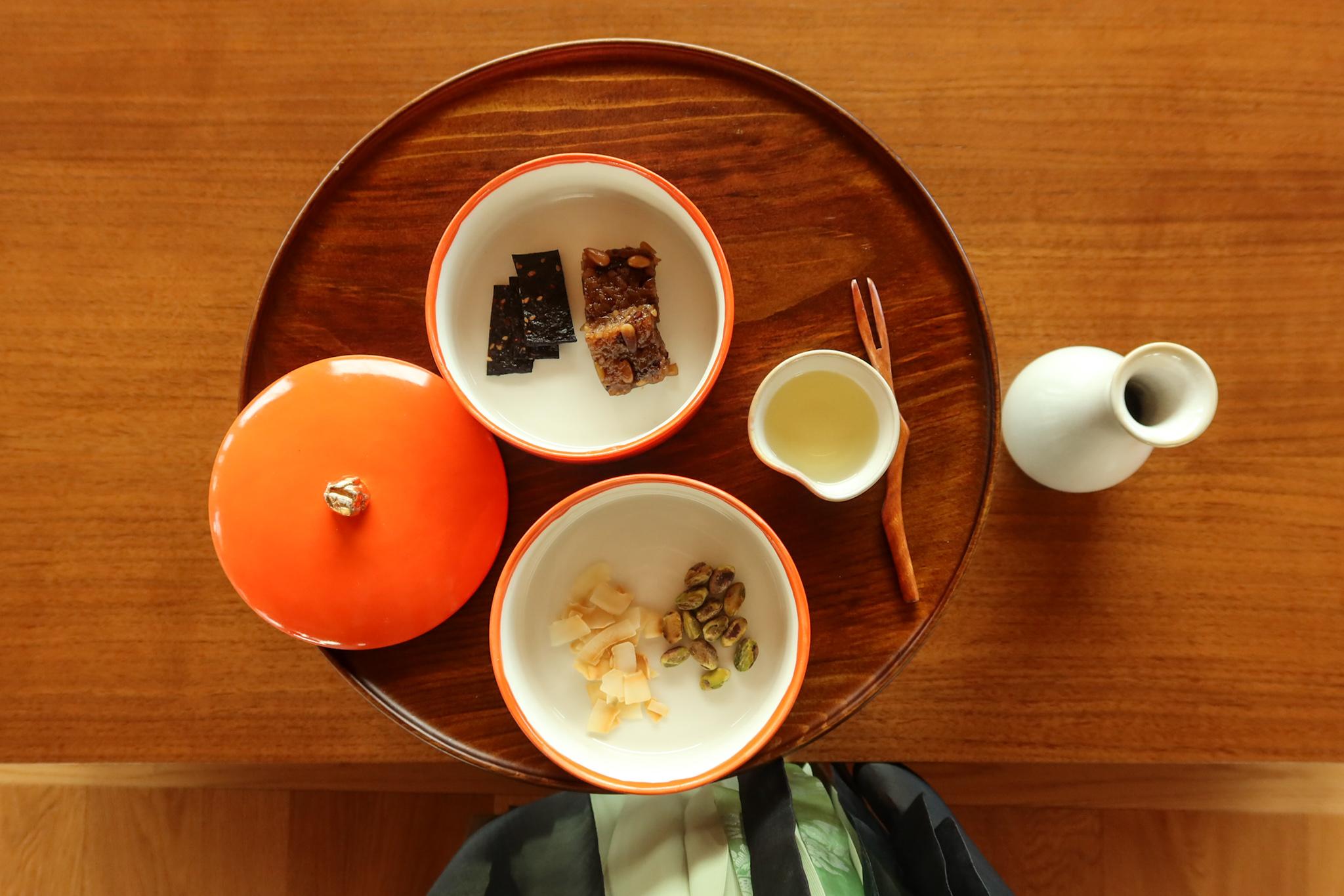
While one could be content simply roaming the grounds, the hotel doesn’t merely rest on its impressive architecture and landscaping. A strong cultural program, executed by local staff who seemed genuinely interested in sharing their culture with guests, made the stay a memorable one. A refined take on pre-dinner drinks, the sulsi ritual takes place in the late afternoon and pairs makgeolli, a traditional Korean liquor with a slightly milky taste, with a selection of small seasonal bites. It’s served in the Pavilion Byeoljae which overlooks the striking Seondul cliff.
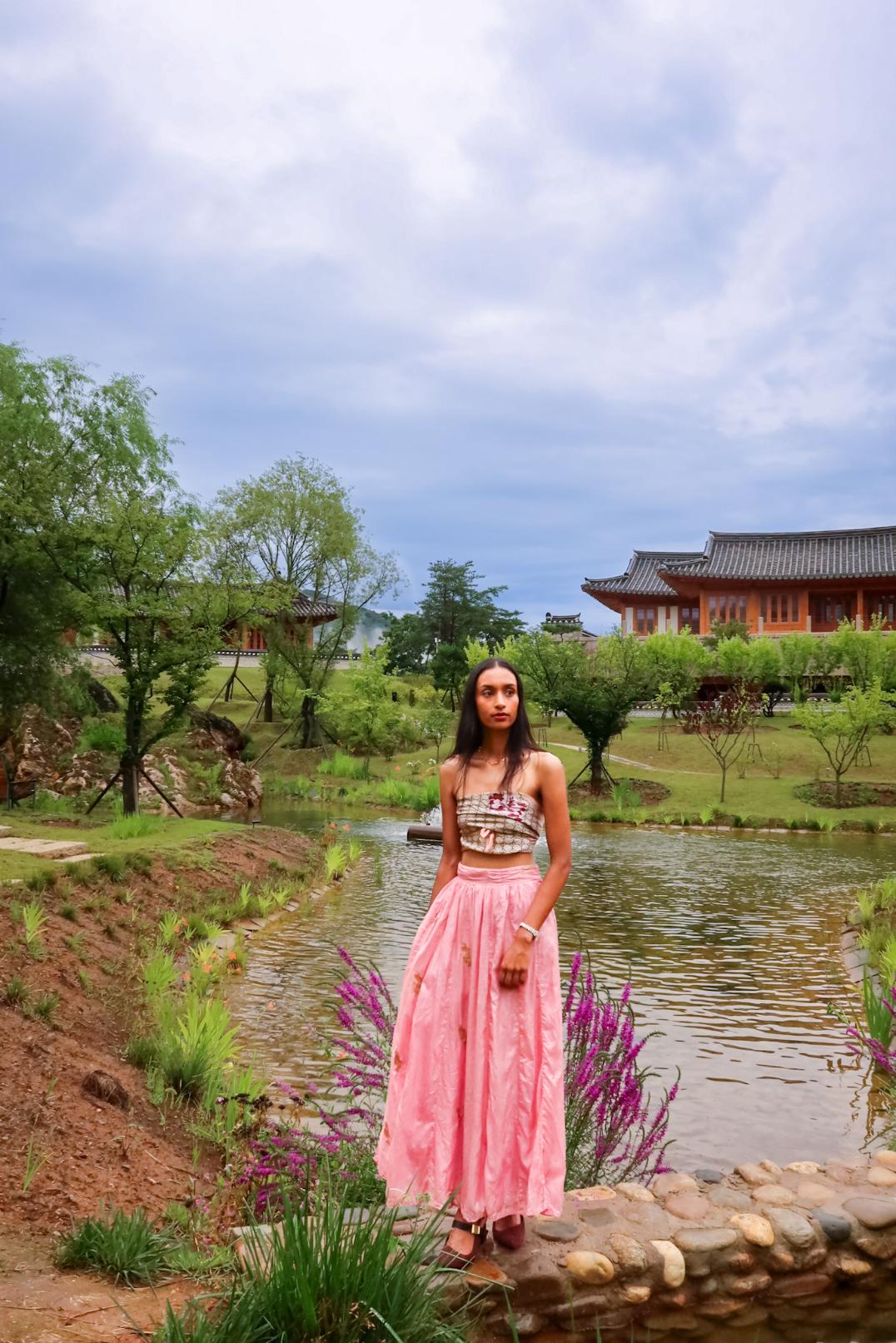
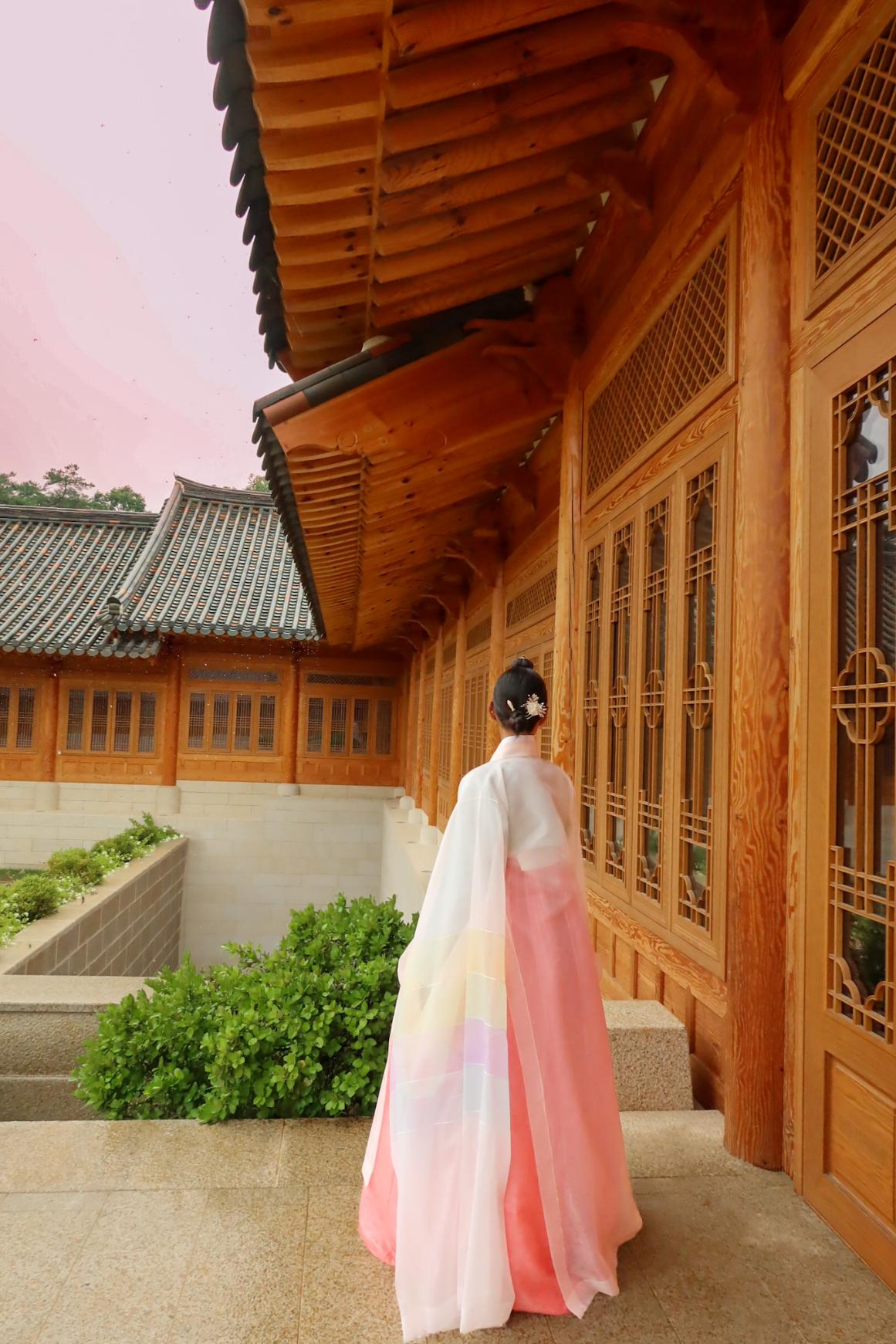
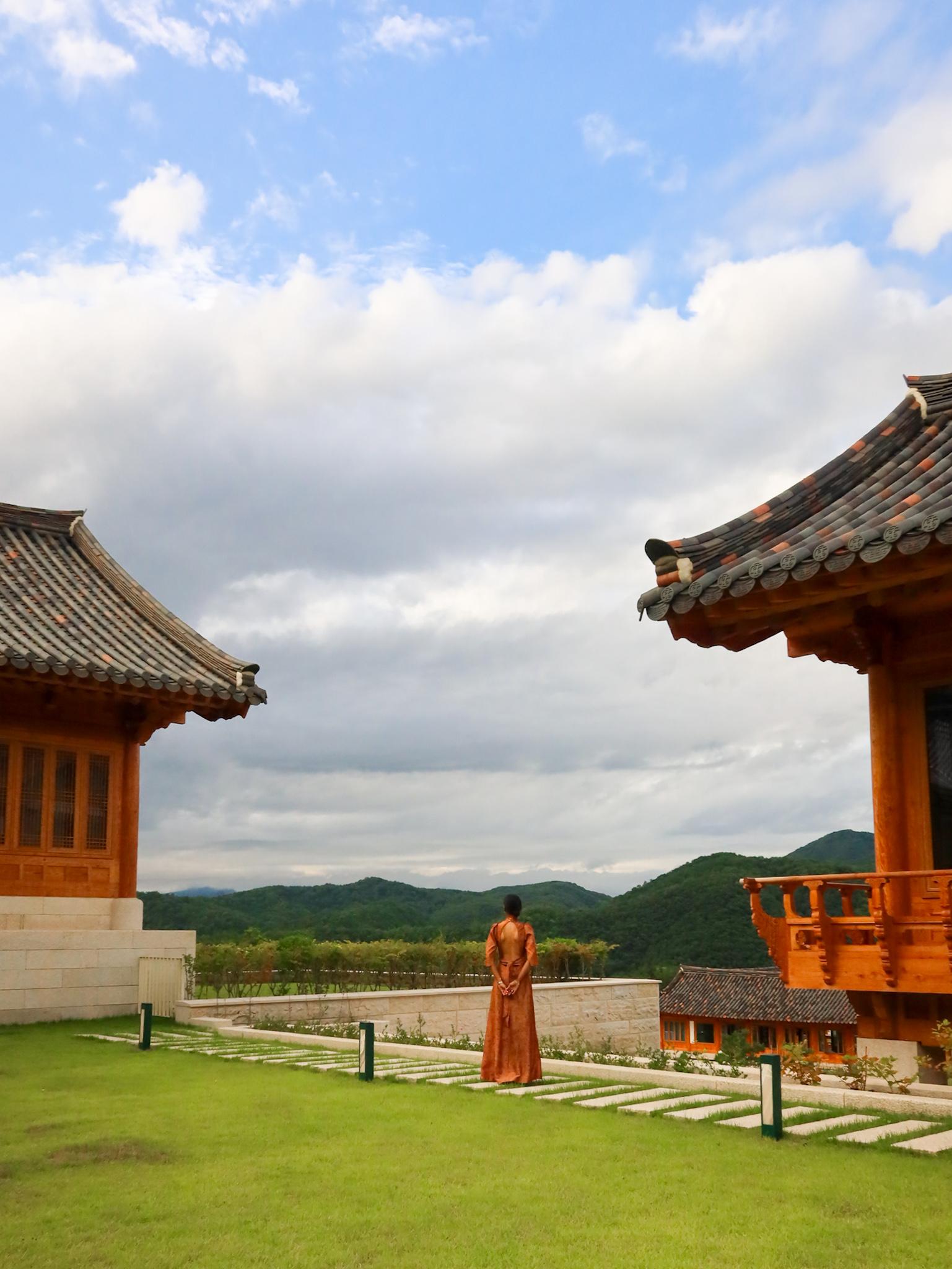
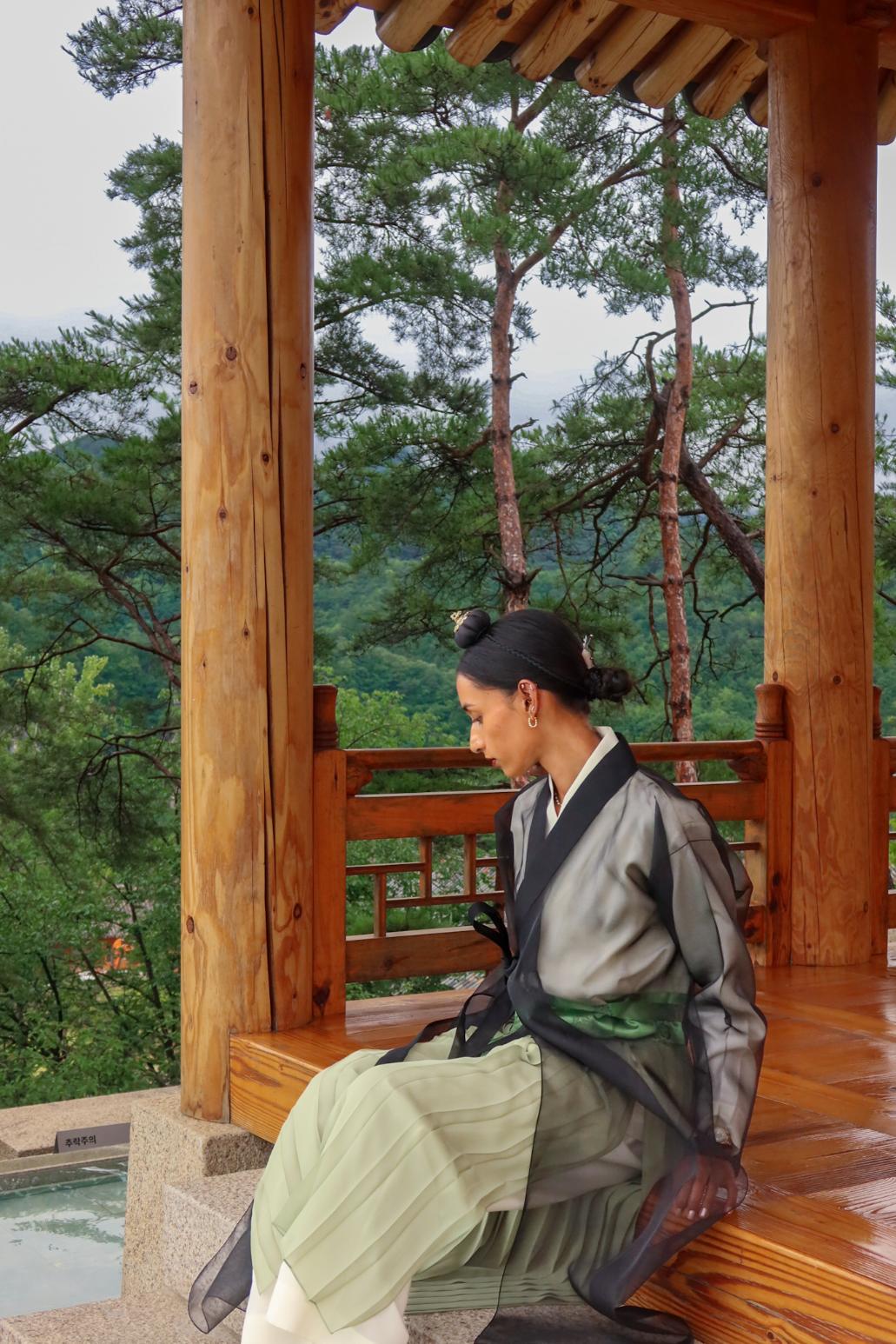
That said, the act of roaming the grounds itself is significantly enhanced by doing so in a hanbok, with The Hanok Heritage boasting a collection of bespoke hanboks by Korean couture brand Seodamhwa. A far cry from the rentals touting polyester varieties that line the streets near Seoul’s famous Gyeongbokgung and Changdeokgung Palaces, these hanboks were created in a historically accurate style (although there are also modern interpretations available) and are crafted from delicate diaphanous layers that catch the light and billow in the wind.
Read on for Albert Review’s full review of The Hanok Heritage.
The lowdown: The Hanok Heritage
The hook; why stay at The Hanok Heritage
An immersive luxury hotel redolent of a bygone era, The Hanok Heritage captures the beauty of traditional hanok architecture and adapts it for the contemporary well-heeled guest. A duo of restaurants serving authentic Korean fare and a robust program of activities and excursions are designed to allow guests to experience a taste of Korean heritage, make the most of the local natural beauty, and restore the body and mind.
How to get there
The Hanok Heritage is located in the village of Mungaesil in Yeongwol county in the Gangwon Province. From Seoul, it’s around a two-hour drive or a two-and-a-half-hour train ride to Yeongwol station followed by a 25-minute taxi.
Design and architecture
Playing out across a 33,719m² clearing within a pine forest, The Hanok Heritage shines in both volume and execution. The sheer scale of the property gives it an immersive feel, akin to stepping into a bygone era.
Founder and architect Cho Chung-il adopted the style of traditional hanok architecture and adapted it for the modern era, addressing issues such as insulation, thermal control, soundproofing, and sound insulation through contemporary construction techniques and material experimentation.
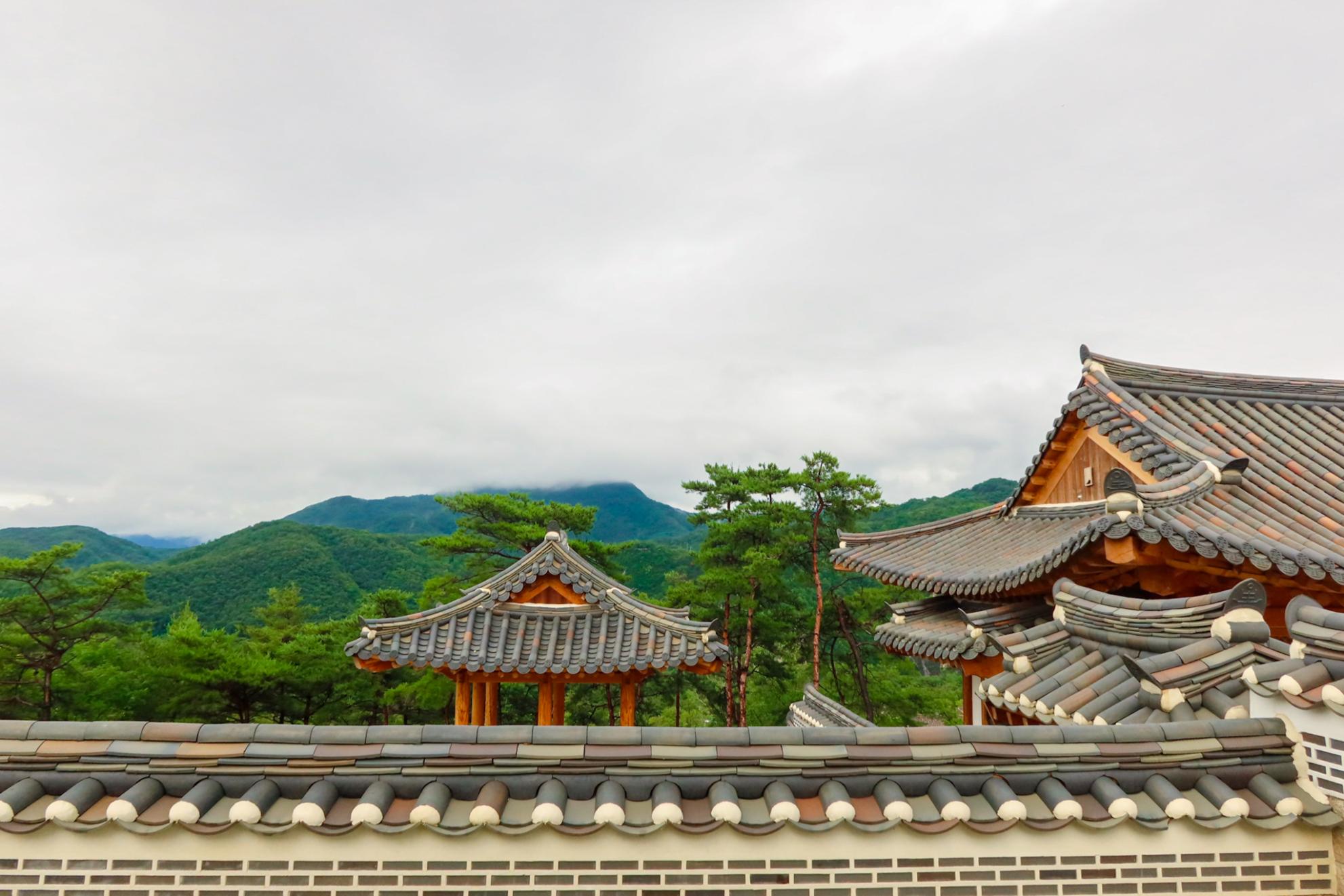
Guests enter The Hanok Heritage through the main building, with reception in a vast gallery-style lobby displaying local jewellery and crafts. The 13 guestrooms and one corner suite are housed within this main building, while the villas and the six premiere suites are dotted around the estate. While the pine trees bordering the property retain their wildness, a cultivated pine tree garden and pond garden nestled between the villas provide ample opportunity for quiet reflection within nature.
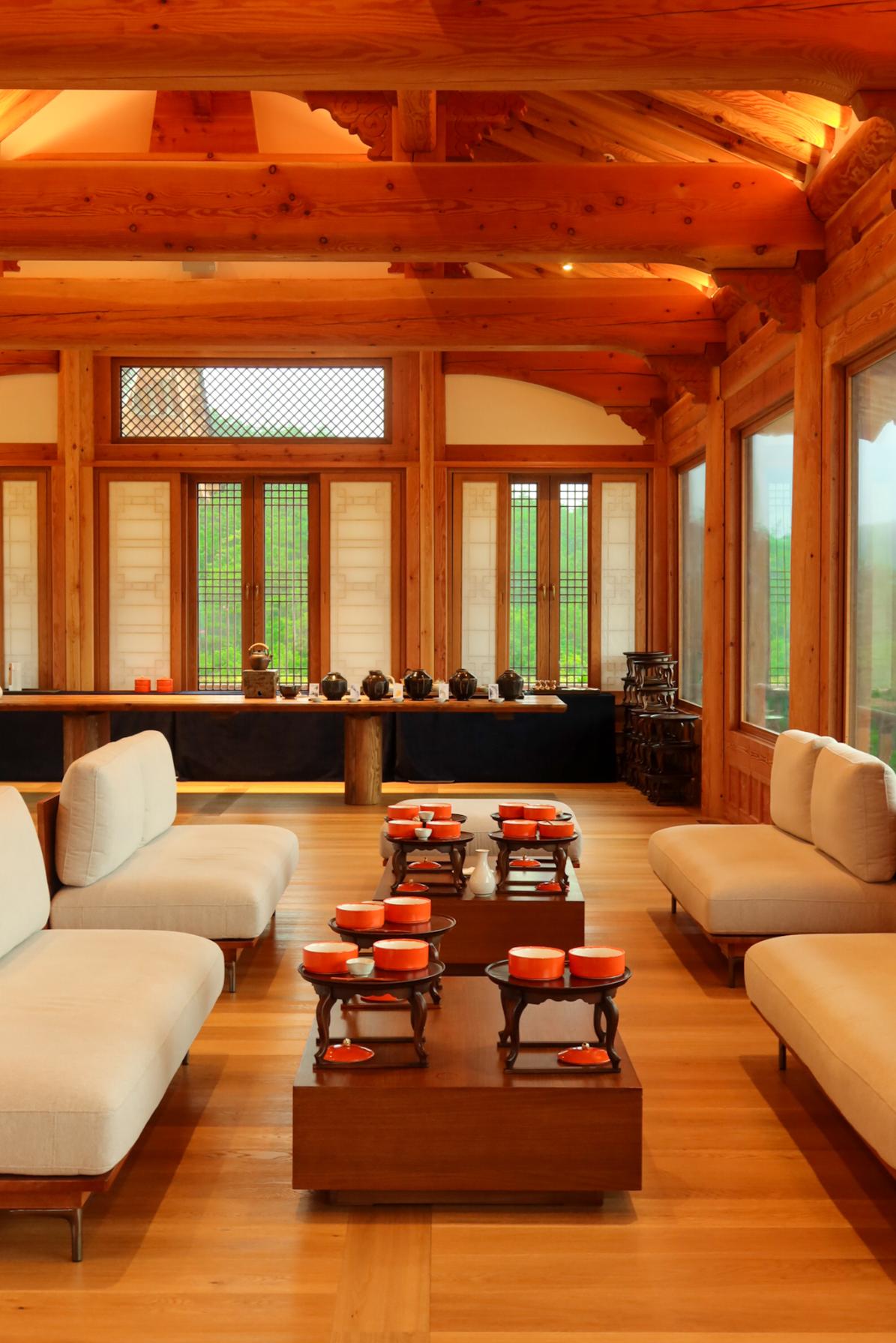
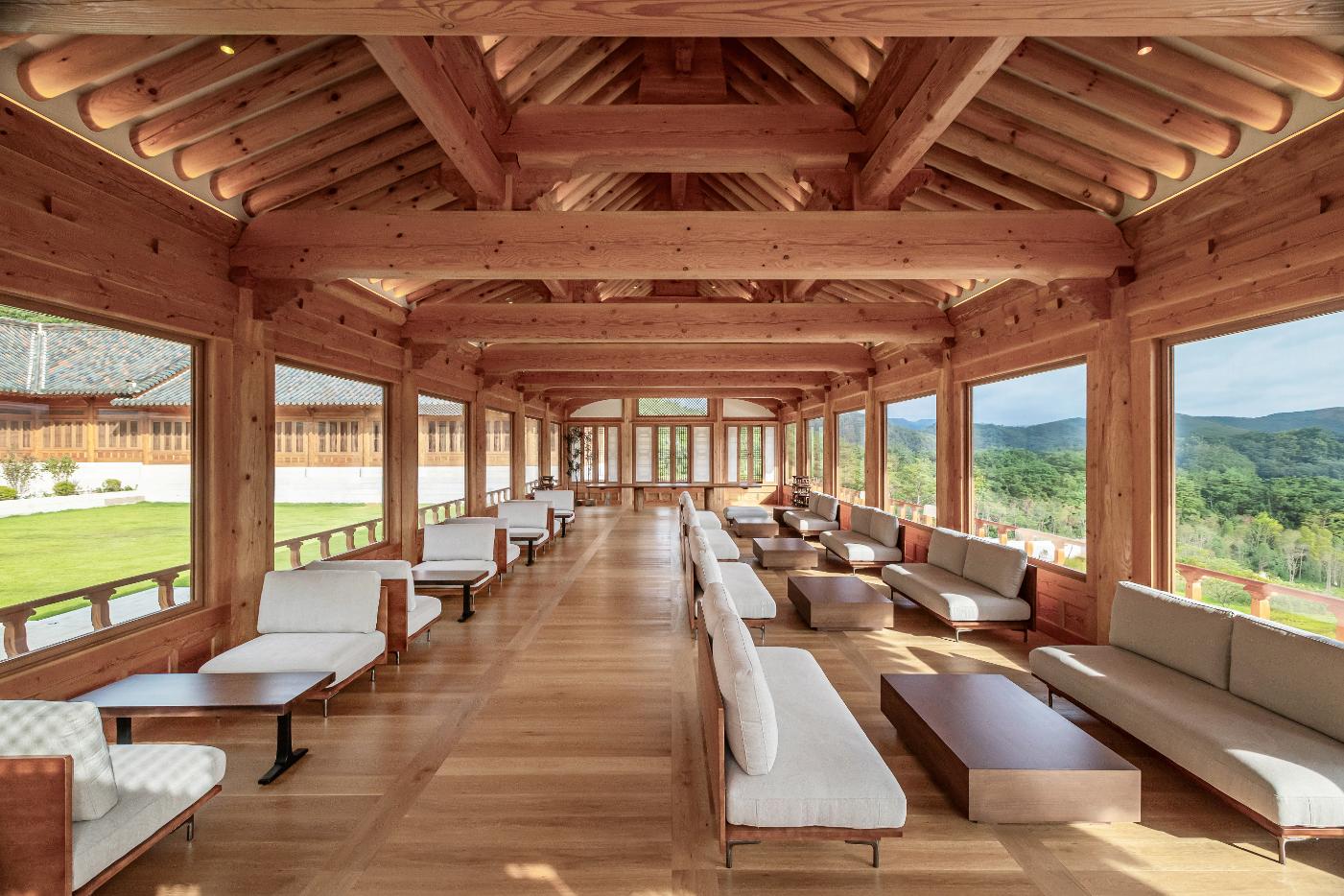
The nail-free construction of Korean hanok architecture is adhered to throughout, with The Hanok Heritage crafted from natural materials, with a heavy emphasis on wood accented with stone and earth. The emblematic sloped roofs bear light tonal differences, composed of clay tiles that fluctuate in colour depending on their firing time and temperature. Internal structures, like the Goyo Lounge and Pavilion Byeoljae, feature exposed recessed ceilings that showcase the natural grain timber columns and crossbeams.
Rooms and suites
The Hanok Heritage comprises 20 hotel rooms and suites and five private villas—one four-bedroom, three three-bedroom, and one two-bedroom—each defined by an emphasis on the beauty of natural wood and replete with thoughtful details executed by master artisans.
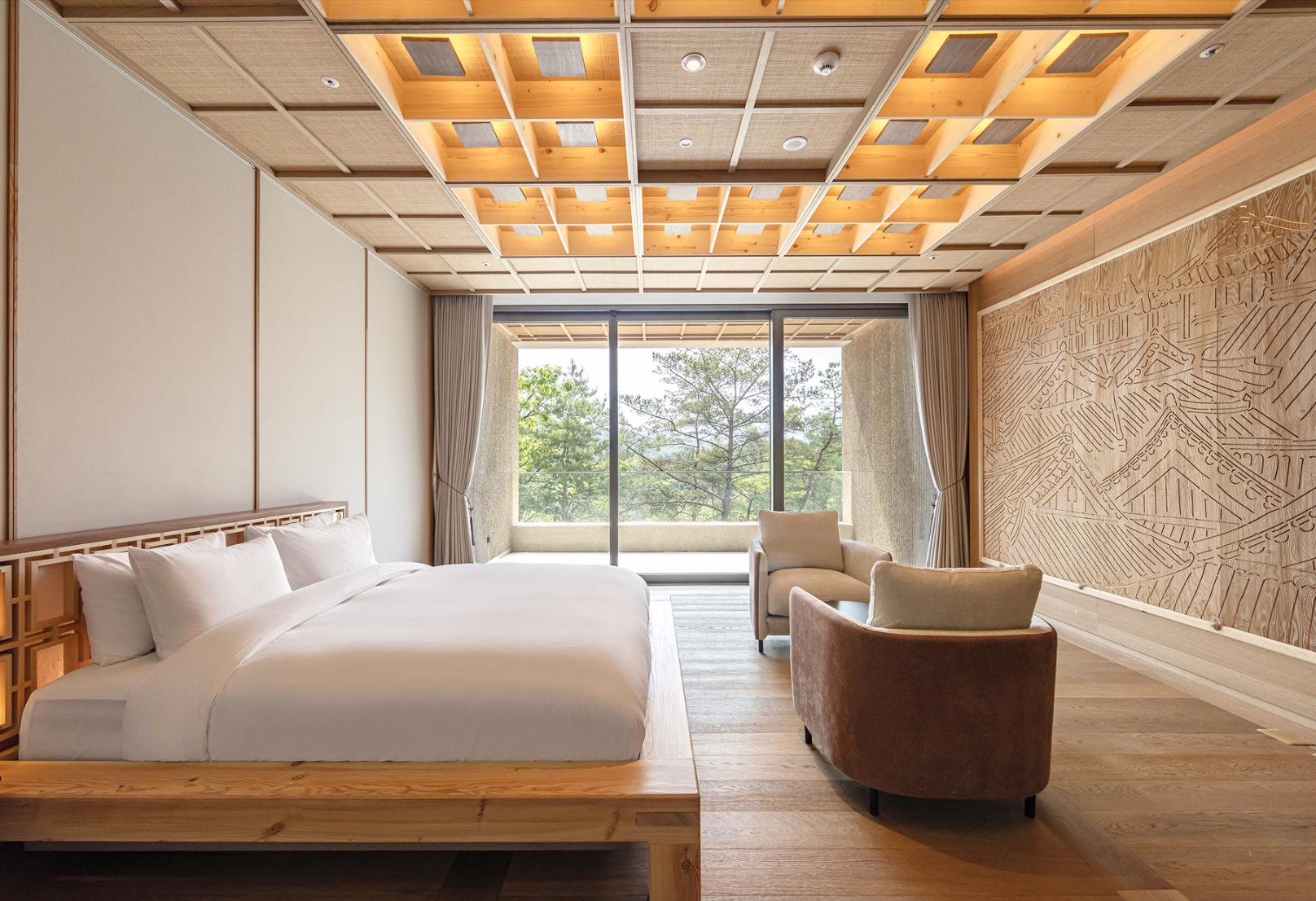
Albert Review was accommodated within the Premiere Suite Sum, a one-bedroom suite overlooking the pine forest with a separate seating area in the front. Each room and suite has its own distinct design details, with highlights within the Premiere Sum Suite including a mural depicting the swept roofs of the hotel carved into wood and backlit, as well as the aesthetic of traditional changho paper windows modernised with double glazed windows fitted with transparent screens made with high-tech fibres. Spacious bathrooms were complete double sinks, marble soaking tubs, and rain showers.
Tea and coffee
The Hanok Heritage has tea and coffee facilities in the form of a kettle, with tea by OSULLOC, a premium tea brand based on Jeju Island, and coffee by MOMOS Coffee, a specialty roaster in Busan. The tea bags provided were Moon Walk, a black tea infused with sweet Korean pear, and Jeju Tangerine Blended tea, which is made with post-fermented tea leaves.
Bathroom products
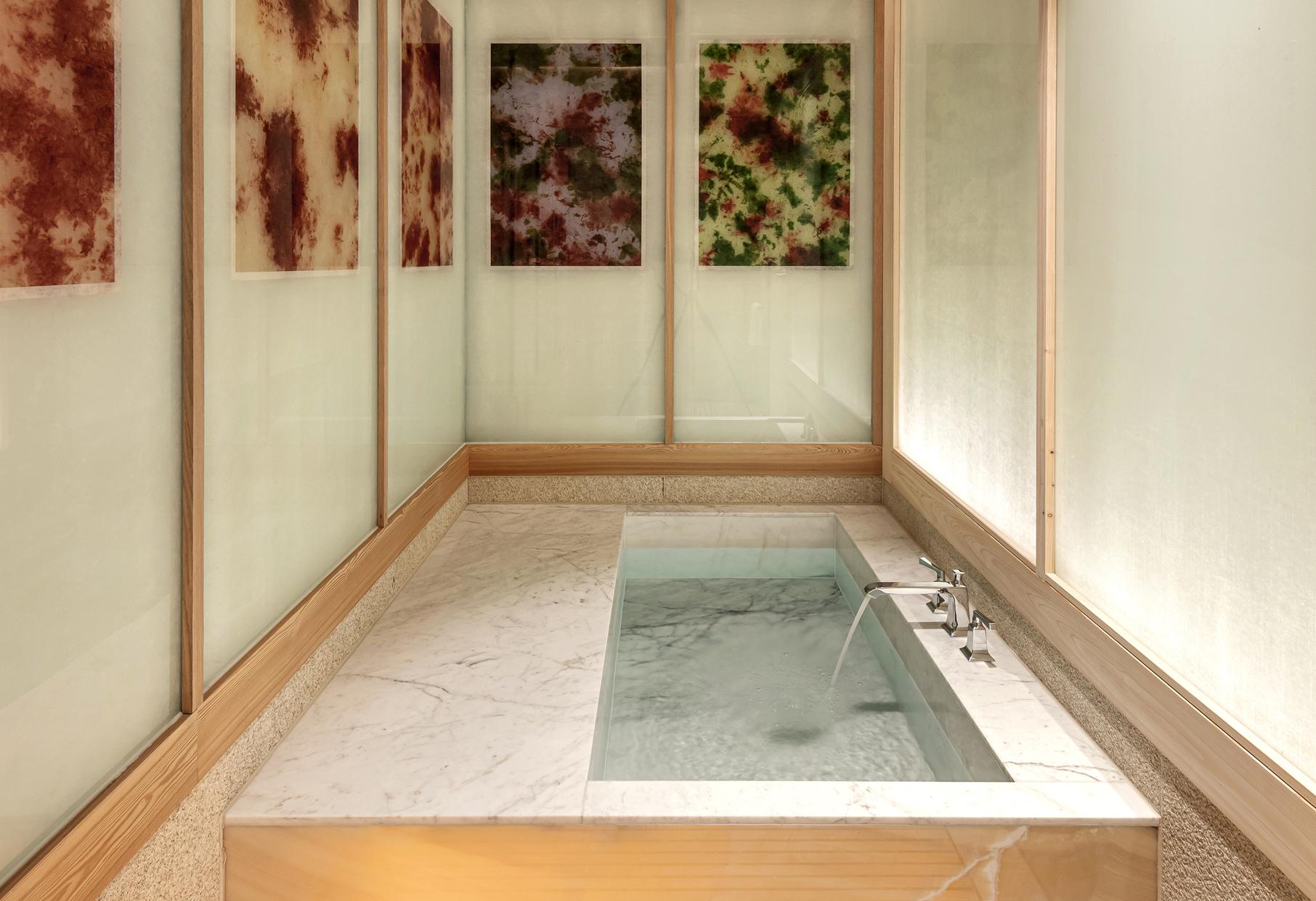
Bathroom products are by French luxury fragrance brand Diptyque. Expect to find full-size bottles of hand lotion and hand wash by the sink; shampoo, conditioner, and body wash in the shower; and bath salts by the marble soaking tub.
Comfort factor
My Premiere Suite Sum had ample space for relaxing, lounging, and getting ready as well as storage space to spread luggage out and hang up delicate items. Temperature control was swift and responsive—a must, considering my stay fell during Korea’s humid summer—and the mattress and bedding ensured a sublimely comfortable sleep.
Thoughtful details like the provision of a dopo (a traditional Korean robe), plush padded slippers, and sheet masks at turndown service contributed to the warm atmosphere.
Food and drink
The Hanok Heritage is home to two restaurants, Restaurant Namu and Restaurant Monto. Both are housed within the same location and highlight seasonal Korean fare, however have a subtly different character. Restaurant Namu is an all-day dining restaurant serving breakfast, lunch, and dinner, and focuses on hyperlocal cuisine, showcasing the idiosyncratic flavours of Yeongwol. The standout here is the 12-dish breakfast, which is focused on regional flavours and makes use of local produce within dishes like namul (seasoned vegetables), braised cutlassfish, mushroom bulgogi, and parboiled seafood. Simplicity reigns supreme here, with distinct culinary accoutrements like perilla oil, pollack roe sea salt, and plum gochujang adding further depth to each morsel.
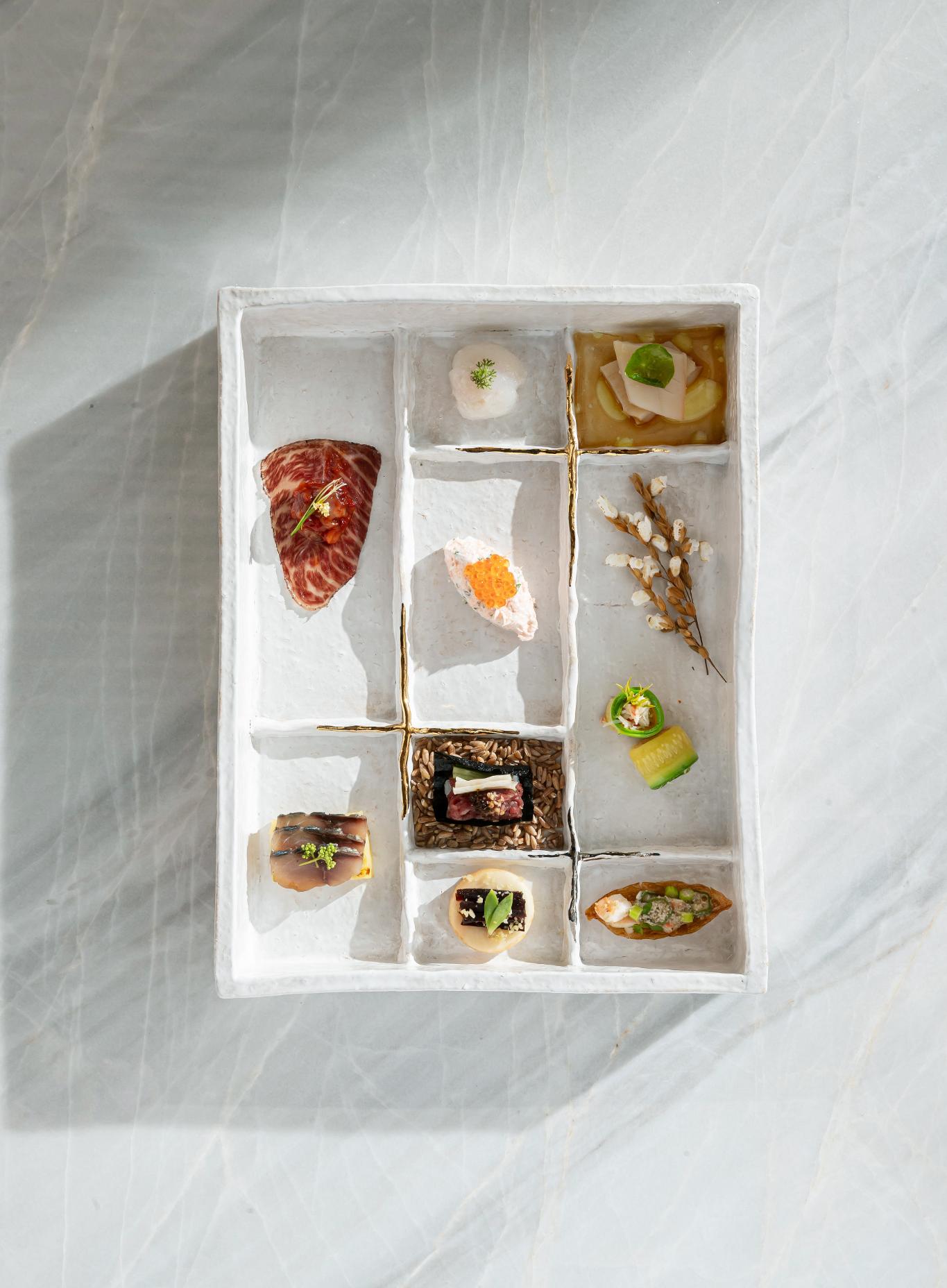
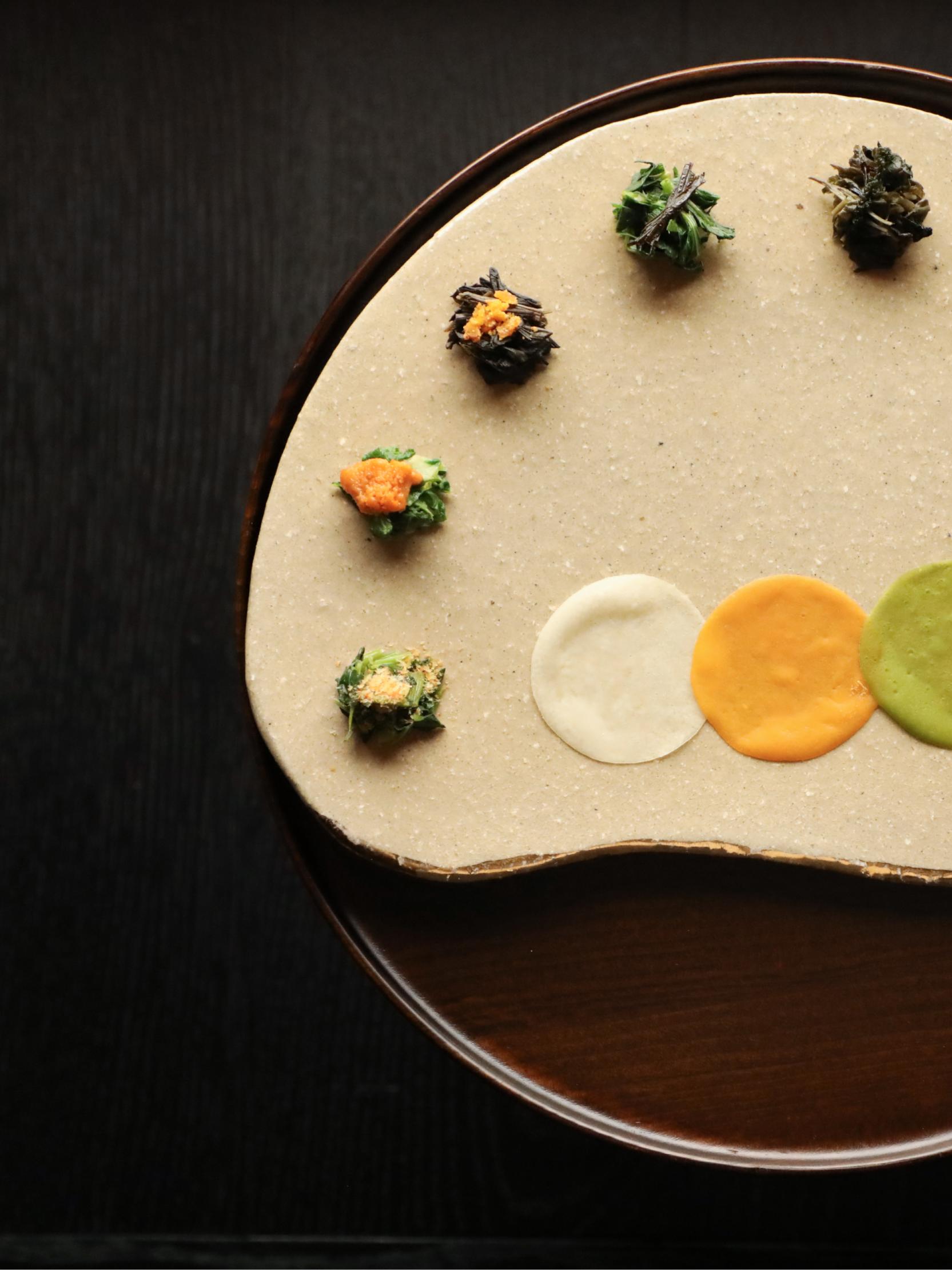
Come nightfall, fine dining Restaurant Monto is the place to be. Helmed by executive chef Shin Dongmin, Monto balances artistry with restraint to create meals that are both nourishing and impactful. Presented as a geometric culinary mosaic, the restaurant’s ‘nine seasonal accompaniments’ serves up a nonet of bite-sized gastronomic delights that are almost too pretty to eat, resting upon a handcrafted ceramic vessel with threads of gold kintsugi running through it. Elsewhere, eight types of foraged Yeongwol mountain greens are presented alongside a trio of wheat crepes, and dessert reveals yet another flair of artistry with ‘moon rising over the hanok’ seeing black sesame icecream shaped into a diminutive hanok roof and served with mandarin gelee.
Those desirous of a more intimate dining experience can opt to enjoy a meal in the hotel’s six-seat Room Cellar or the 10-seat Room Seondol, which overlooks the grounds.
Tell us about the breakfast
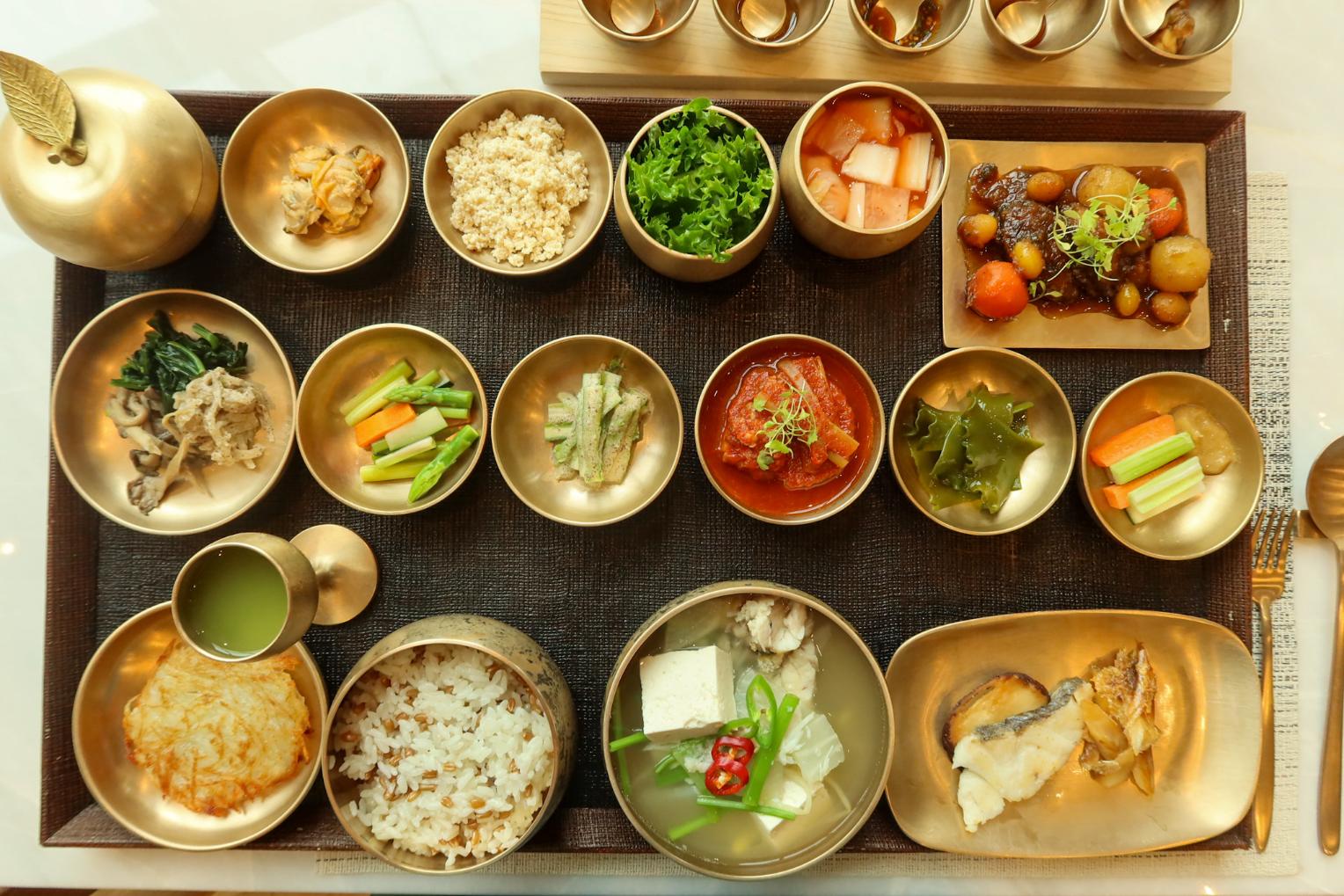
Breakfast is served in Restaurant Namu, the casual all-day dining affair. The aforementioned 12-cheop bansang-inspired Korean breakfast is our pick, however there’s also a classic western breakfast on offer.
Spa and facilities
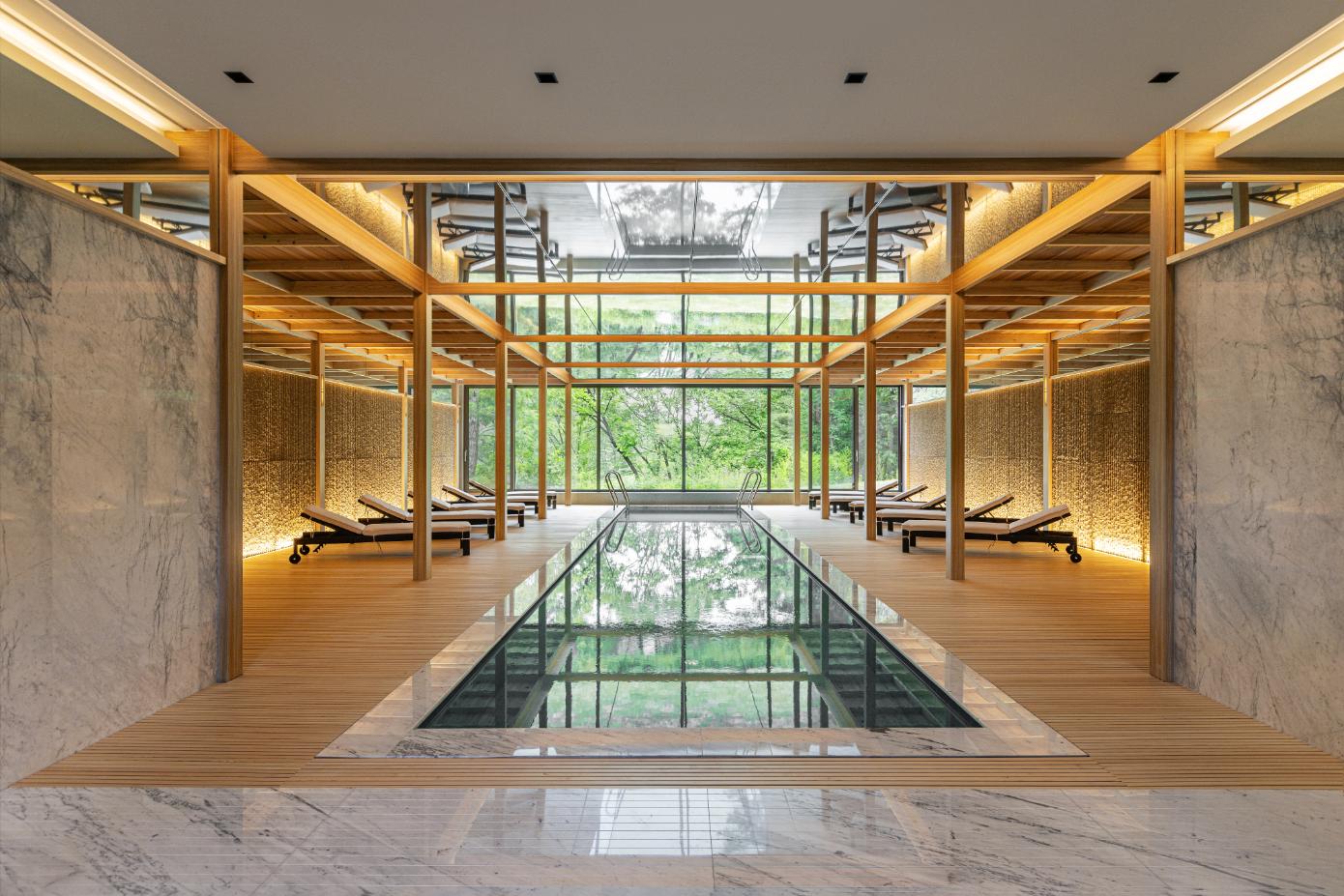
The Hanok Heritage is home to an indoor pool and fitness centre, with a dedicated wellness centre complete with multiple pools, spa, wellness lounge, and dry sauna set to open in late 2026. Equipped to host exclusive events, the hotel also has a banquet hall, the Gallery Gyeol, and Pavilion Byeoljae, a lounge for tea and relaxed conversation.
There’s a strong range of activities aimed at cultural enrichment on offer, including daily complimentary sulsi, Korean cooking classes, dressing up in hanboks by Seodamhwa and traditional Korean games, and stargazing, as well as wellness offerings like sleep meditation, sound bath, and yoga. For those wishing to explore Yeongwol and the wider Gangwon Province, there’s also a series of self-guided walking tours.
The service
Warm and attentive without being overbearing, the service here is both personal and efficient. Room refreshes and turndown service were seamlessly completed when I was roaming the grounds or at dinner, while the service team delicately suggested and organised activities to make the most of my stay despite it coinciding with the country’s rainy season.
True to—my small glimpse of—Korean culture, staff were kind, polished, and professional. While a touch shy on my first evening at the hanok, they were helpful with answering my questions about Korean traditions and culture, and were later happy to engage in longer conversations (wherein I discovered said shyness was due to a touch of—needless—anxiety about imperfect English skills).
Sustainability initiatives
Eco-friendly initiatives are woven into the fabric of the building here, with passive design principles working to address the insulation and thermal control issues associated with traditional hanoks while retaining their distinct aesthetic.
Bathroom products are full-size and refillable, with single-use plastics virtually eliminated from the guest experience.
There’s a heavy emphasis on local, seasonal produce at the luxury hotel’s two restaurants, with Restaurant Namu and Restaurant Monto making use of Yeongwol and the wider Gangwon region’s unique wild mountain vegetables.
AR Verdict
The Hanok Heritage not only bridges past and present but proves the latter maintains continued relevance, creating a restorative stay that allows guests to experience the beauty and dignity of old-world Korea, surrounded by some of the country’s most breathtaking natural beauty.
The Hanok Heritage is open for bookings, with rooms priced from around $1200AUD/night.
Address: 37-200 Mungaesil-gil, Nam-myeon, Yeongwol-gun, Gangwon-do, South Korea
Words by T. Angel