

I have a love hate relationship with wearable trackers. I love the data they provide, but I hate how ugly they look. As someone who writes about watches and jewellery on a regular basis, I positively recoil at the thought of someone thinking I actually like the way a smart watch looks on the wrist. While I do have a Fitbit (the Versa 4) which I almost obsessively check for my step count, I exclusively wear it on my ankle or carry it in my pocket, safely out of sight. Given I’m also someone who can’t sleep with a watch strapped around my wrist, the relatively inconsistent skin contact means I forgo the insights on heart rate and sleep tracking, with the Fitbit functioning as little more than an overengineered pedometer.
When I came across the Ultrahuman Ring Air, I was tempted for two reasons. One, it came sans any rubber strap or telltale screen display and just looked like a normal—albiet chunky—ring, and two, I encountered it at a time when the algorithm was feeding me endless biohacking content, and this seemed like the ideal way to dip my toe—or rather, finger—in the water. Additionally, unlike other smart ring competitors on the market, the Ultrahuman Ring Air does not operate on a monthly subscription model to access deeper insights (like the Oura Ring), nor is it tied to any specific device (as is the case with the Samsung Galaxy Ring).
With that in mind, I tested the Ultrahuman Ring Air over six months. Here’s how I found it.
What is the Ultrahuman Ring Air?
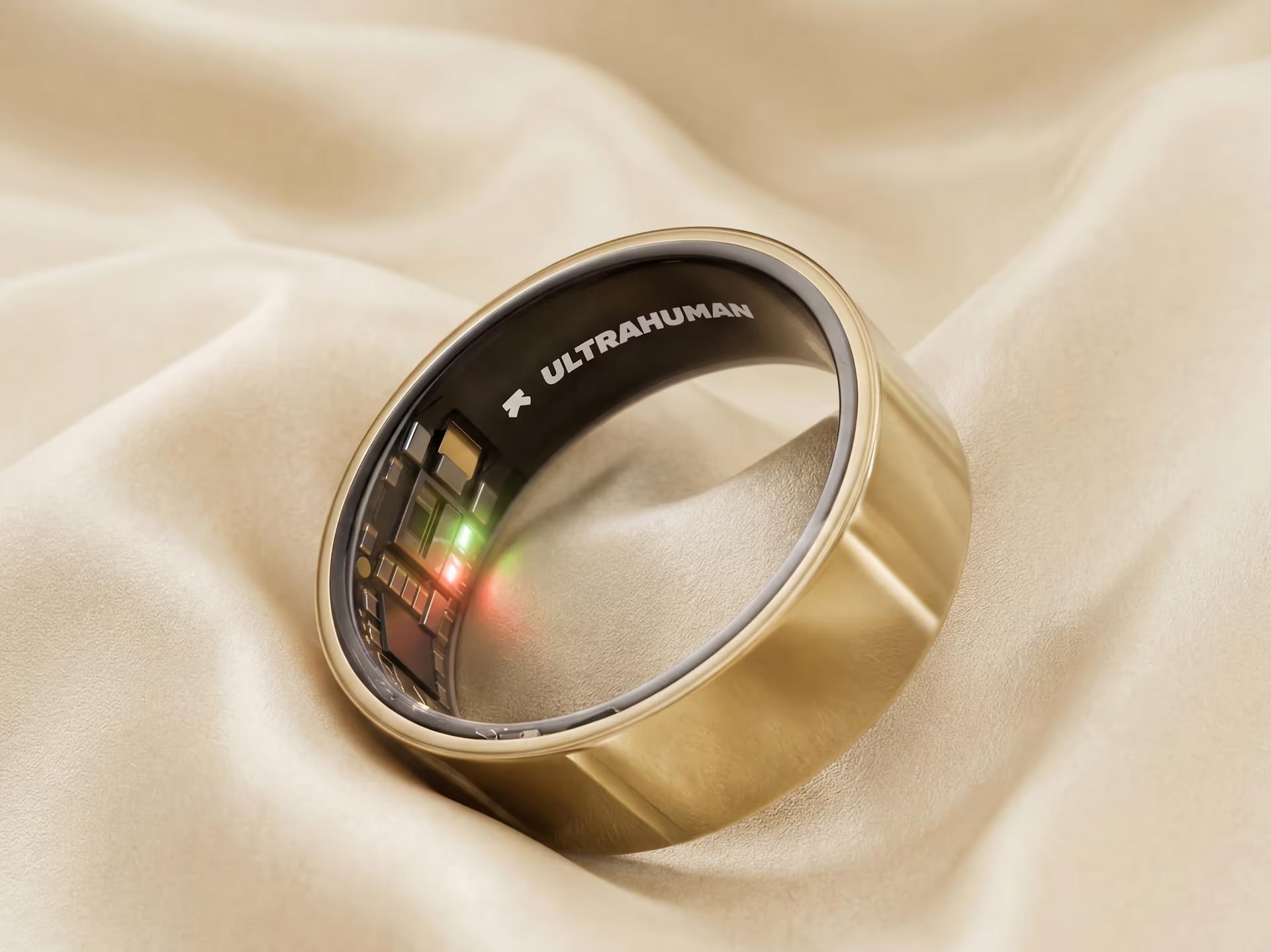
The Ultrahuman Ring Airis a wearable fitness and health tracker that monitors key health indicators like sleep, movement, heart rate, heart rate variability, and skin temperature. It also translates this data into easily interpreted insights and actionable goals, such as recommendations on when you should go to sleep for optimal rest and the ideal window to consume caffeine within.
It works on a subscription-free model, meaning there are no additional charges other than the ring itself, which retails for $599AUD. The Ultrahuman Ring Air is designed to be used in conjunction with the Ultrahuman app, which is compatible with both Android and iOS.
Ultrahuman Ring Air design
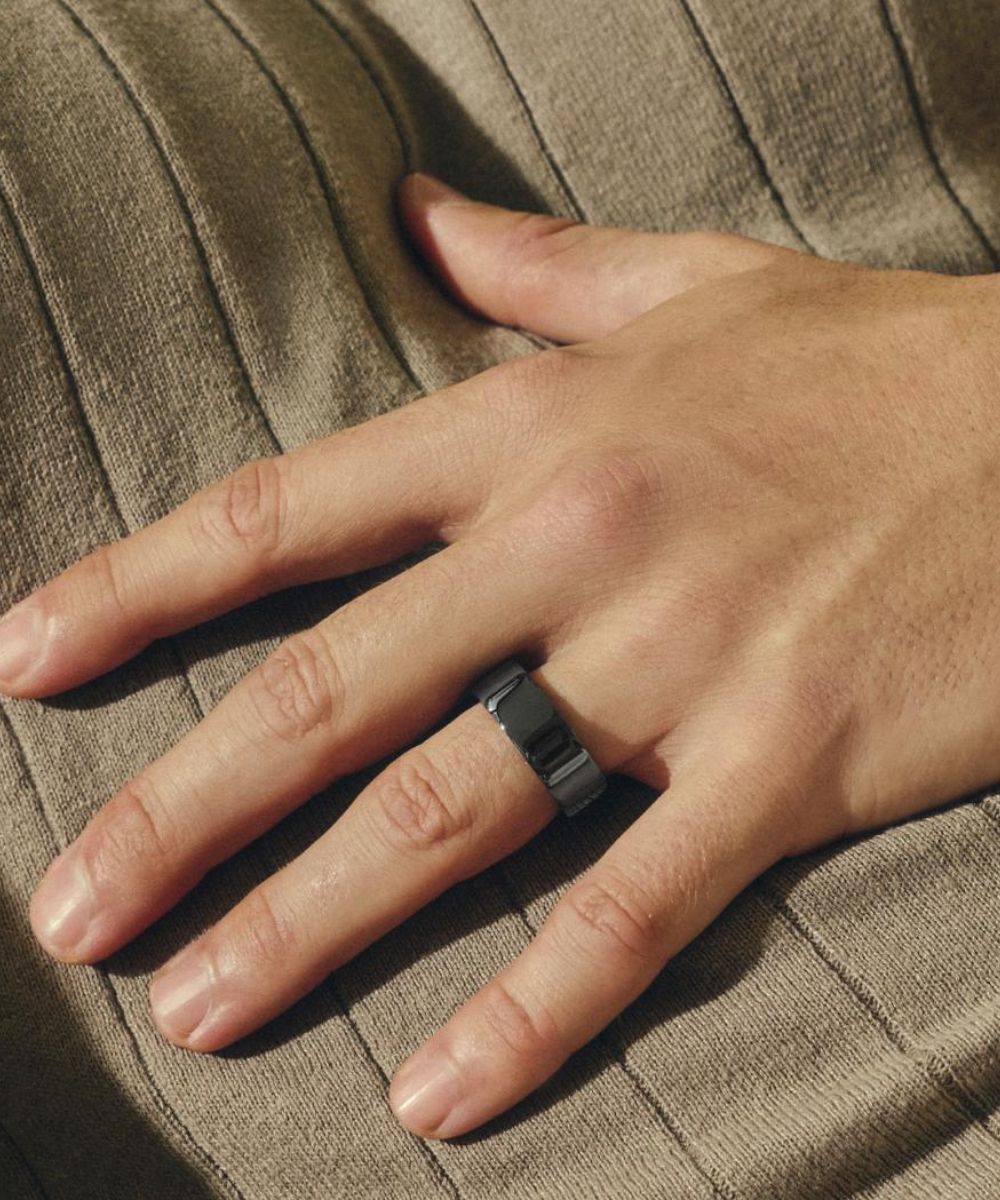
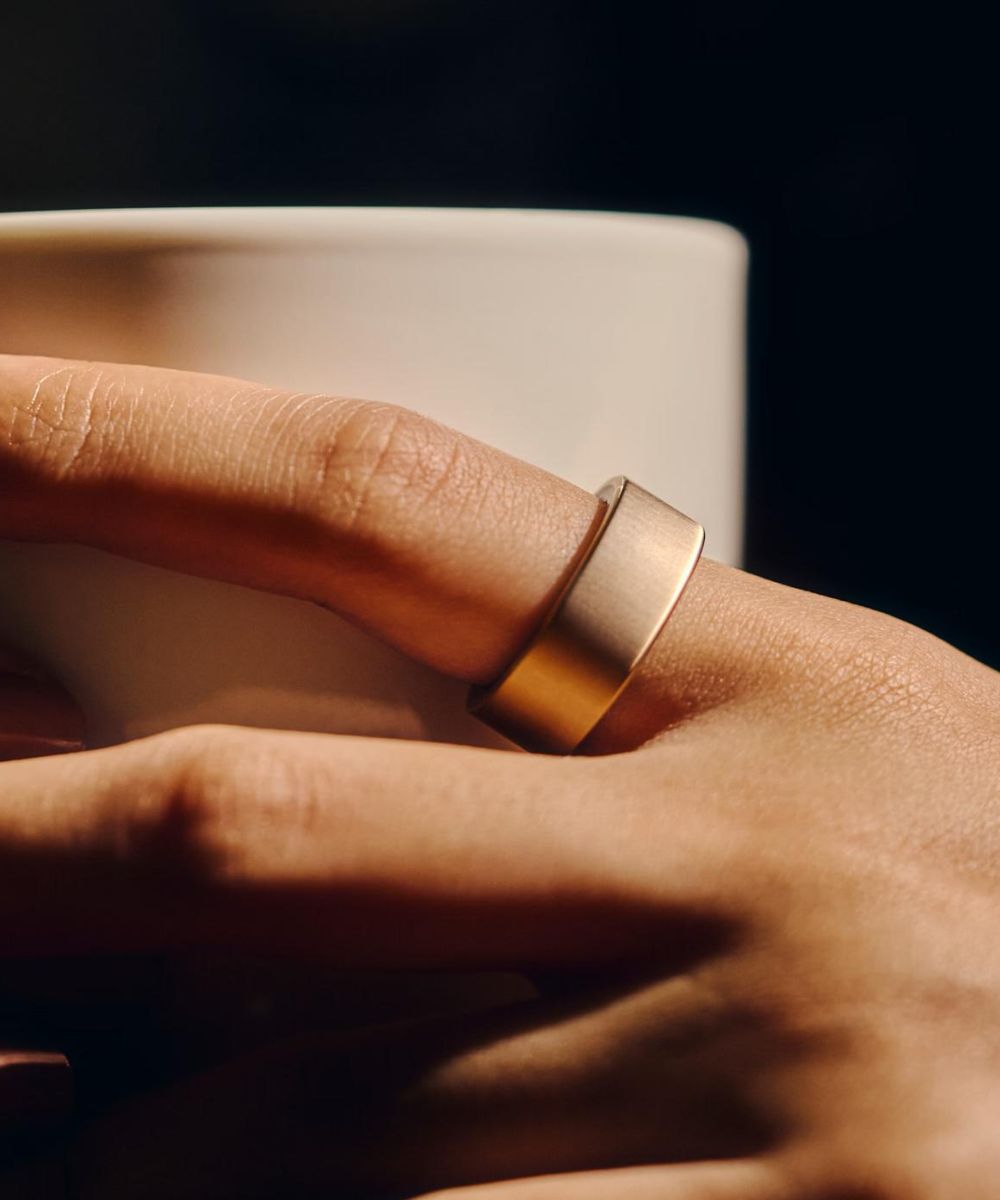
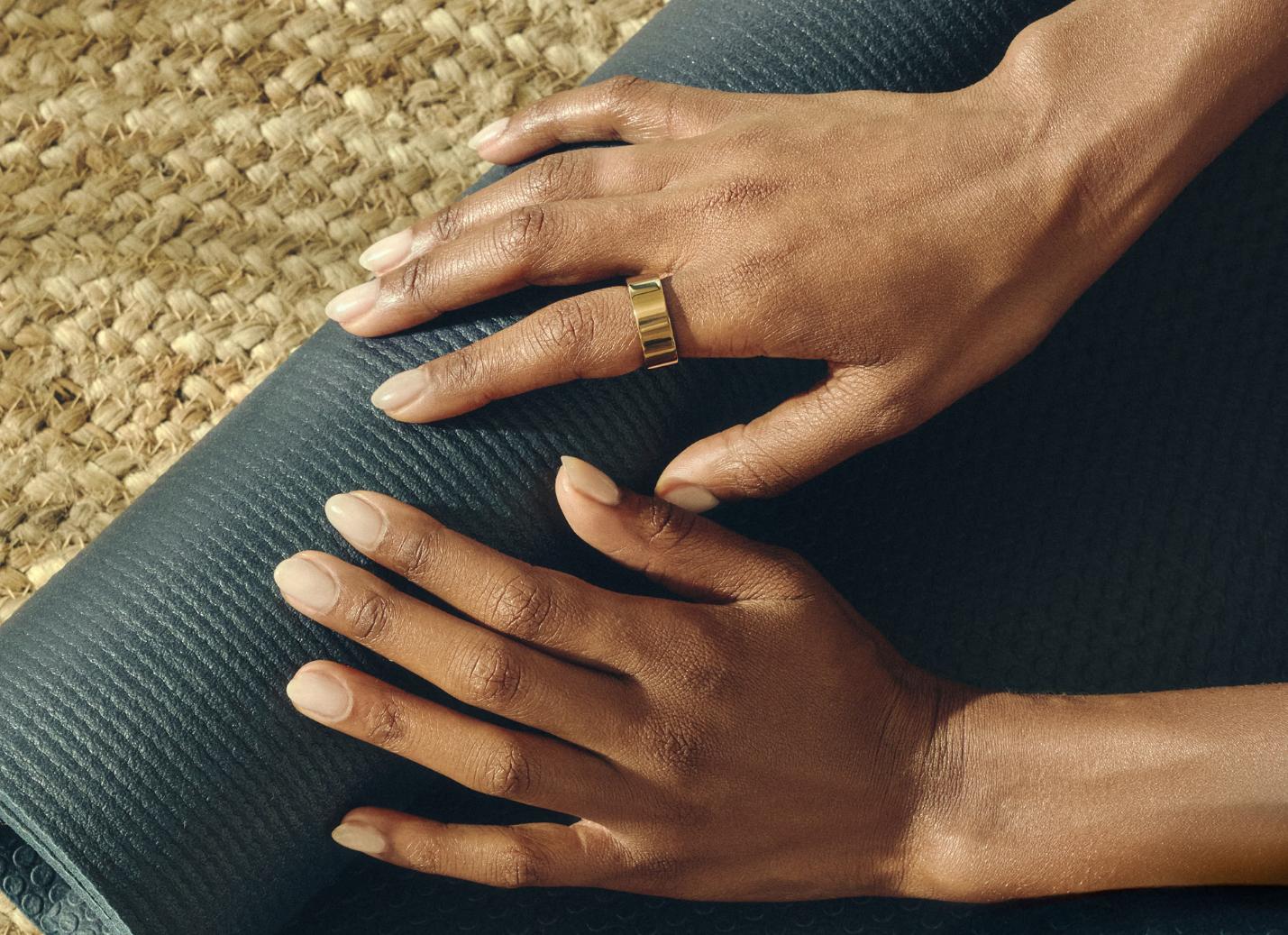
For many people—this writer included—the key appeal to a smart ring is the fact that it looks better, or at least more innocuous, than a smart watch. While the Ultrahuman Ring Airfits a pretty impressive sensor into a relatively compact space, it’s still pretty chunky when compared to a typical jewellery ring. That said, when compared to other smart rings, the brand claims that upon launch in 2023, the Ultrahuman Ring Air was the lightest smart ring on the market. It’s available in six finishes; Bionic Grey, Space Silver, and Aster Black have glossy finishes, while Raw Titanium, Matte Grey, and Brushed Rose Gold have matte finishes.
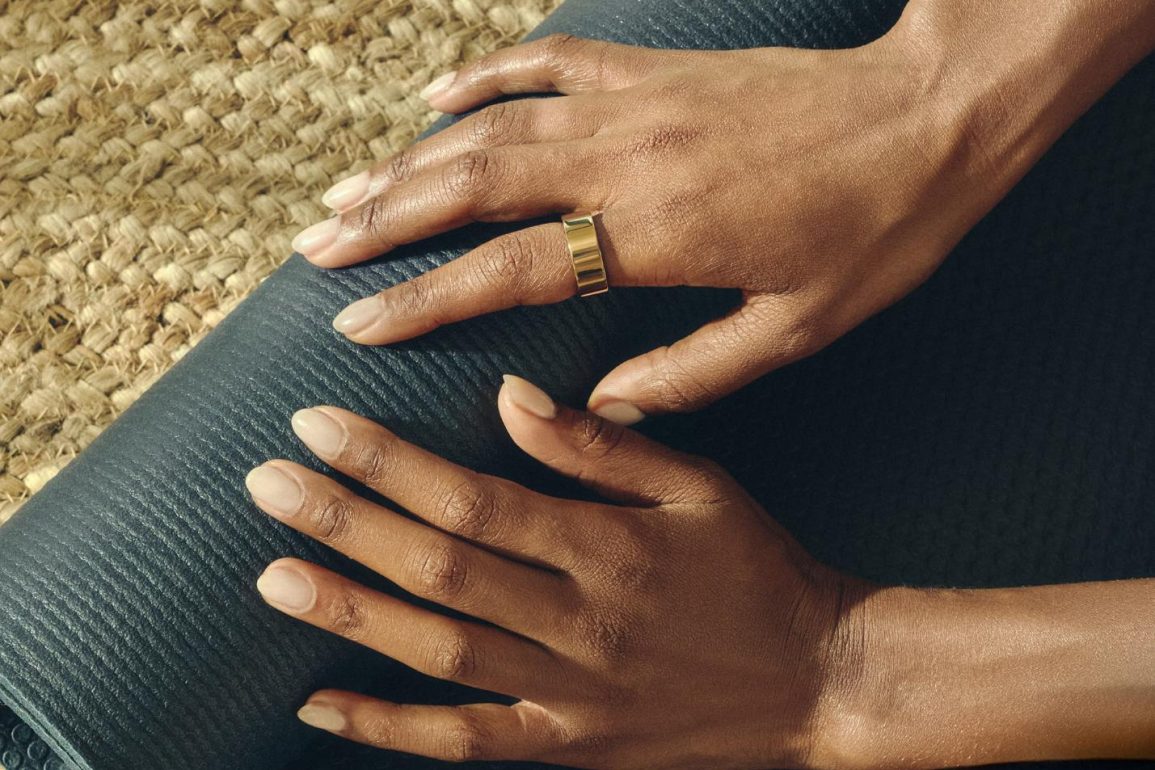
As a dedicated gold girlie, I opted for the Bionic Gold finish. It does have a slightly fake sheen to it, but doesn’t look too out of place next to my regular jewellery.
Anything to note before purchasing the Ultrahuman Ring Air?
Before you buy the Ultrahuman Ring Air, it’s recommended to get the brand’s $1AUD ring sizing kit. While those prone to chasing instant gratification—hi, it’s me—might be tempted to bypass this step, I wouldn’t recommend it as the sizing for the Ultrahuman Ring Airdiffers from other standard rings, given it has extra room taken up by the sensors.
The Ultrahuman Ring Air is available in sizes 5 to 14. It’s worth trying the rings in the sizing kit on different fingers; I found that I preferred wearing it on my middle rather than ring finger, which affected the size I opted for.
What I liked about the Ultrahuman Ring Air
While many wearable health and fitness trackers track similar data points, the best thing about the Ultrahuman Ring Air is the way it digests and presents this data. The Ultrahuman app has a clean, easy to comprehend interface which displays standard metrics such as sleep and movement, as well as insights on your body’s ability to recover, cardio age, heart rate (HR), heart rate variability (HRH), skin temperature, and stress levels. The insights on heart rate variability (HRH) were new to me; I learned that mine is consistently low, which can be a sign of fatigue or stress.
The sleep quality insights are one of the most interesting data points. The app not only tells you how long you slept and gives you a quantifiable sleep score (out of 100), but provides deeper insights into your sleep quality, covering your REM and deep sleep time, sleep cycles, restfulness, heart rate drop, and sleep efficiency. These deeper insights are key in identifying why you sometimes feel refreshed after a seven-hour sleep, but awake groggy after a nine-hour sleep.
The app also lets you know your ‘caffeine window’, which recommends the optimal time to consume caffeine to promote better energy levels and recovery. A more restful and restorative sleep increases the window, while a poor sleep decreases it. For card-carrying members of the “don’t talk to me until I’ve had my coffee”-club this will likely be one of the most revelatory insights. The app recommends delaying your morning coffee for around an hour to an hour-and-a-half after waking up, which definitely makes a difference in preventing afternoon energy slumps.
I found myself wanting to please the app for a better score; putting my phone away a couple of hours before bed, going to sleep when it told me to (even if I was in the middle of a really good part of my book), and stopping caffeine when my window closed. While it may seem a little dystopic to work to impress a non-sentient data tracker, I can’t deny that I did feel more well rested.
Drawbacks to the Ultrahuman Ring Air
The insights provided by the Ultrahuman Ring Air were a definite step up from my—improperly worn—Fitbit, particularly in terms of sleep tracking and stress levels. However, I found the activity tracking to be consistently inaccurate, with the ring regularly counting my steps 10-20% less than my Fitbit (i.e. 20,000 steps on the Fitbit would end up around 17-18,000 steps on the Ultrahuman Ring Airapp).
I also found that the green light on the sensor on the underside of the ring would light up regularly for a few minutes at a time. This wasn’t an issue during the day, but it was aggressively bright at night to the point of being distracting. Ironically, the Ultrahuman app tells you to avoid light before bedtime to prevent circadian rhythm disruption — babe, you’re the problem.
For those who aren’t used to wearing smart devices, it can be difficult to get accustomed to it — the first few nights, its presence is what was waking me up. As far as smart rings go, the Ultrahuman Ring Air is relatively comfortable, however I did have to take it off when using any hand tools or lifting the—very—occasional weight.
My biggest gripe with the Ultrahuman Ring Air was the app. I loved the user interface and it was easy to use and interpret when it worked, but I found data on the app took ages and multiple refreshes to load. It never worked on the first try, so I wasn’t able to wake up and immediately check my sleep score; it would keep refreshing itself, often taking up to 15 minutes to sync and display current data.
Finally, although not necessarily a fault of the ring itself, those who tend to obsess about health might find themselves…well, getting obsessed. As someone who grew up during the diet-obsessed era that was the 2000s, I appreciated that the insights provided by the Ultrahuman Ring Air were not geared around appearance or calorie tracking. However, I still found myself obsessing over my sleep score (kicking myself when it was in the 60s, ecstatic the one time it hit 92), cardio age (good!), and brain age (much older! And not in an ‘old soul’ kind of way…).
How’s the battery life?
Ultrahuman claims the Ultrahuman Ring Air has a battery life of four to six days. I found this to be closer to three days on full mode. There’s the option to switch to ‘Chill’ mode which extends the battery life, but you forgo many of the insights that make the ring desirable in the first place.
AR Verdict: Is the Ultrahuman Ring Air worth it?
If you’re someone who values knowing your health metrics and isn’t too fussed about the fitness and activity side of things, the Ultrahuman Ring Air makes a solid value proposition, particularly given it’s a one-off subscription-free model.
As someone who was looking to replace my Fitbit with a chicer alternative, this didn’t quite fit the bill due to the inaccurate activity tracking.
I appreciated the insights provided by the Ultrahuman Ring Air and ended up taking several of the app’s suggestions on board in terms of circadian rhythm regulation and stress reduction. (Well, sometimes. I do still like an après-dinner espresso, caffeine window be damned.) However, after five months of wearing the Ultrahuman Ring Air, I found I was both mentally and physically happier without its presence on my finger or the app critiquing my sleep quality. This isn’t necessarily a bad thing — ideally a health and fitness wearable would be a lifetime use product (or at least a few years), but if the goal is improving your daily habits and quality of life, the Ultrahuman Ring Air did succeed in doing its job.
I may go back to wearing the Ultrahuman Ring Air again, but for now, I’m content being a regular human.
Words by T. Angel