
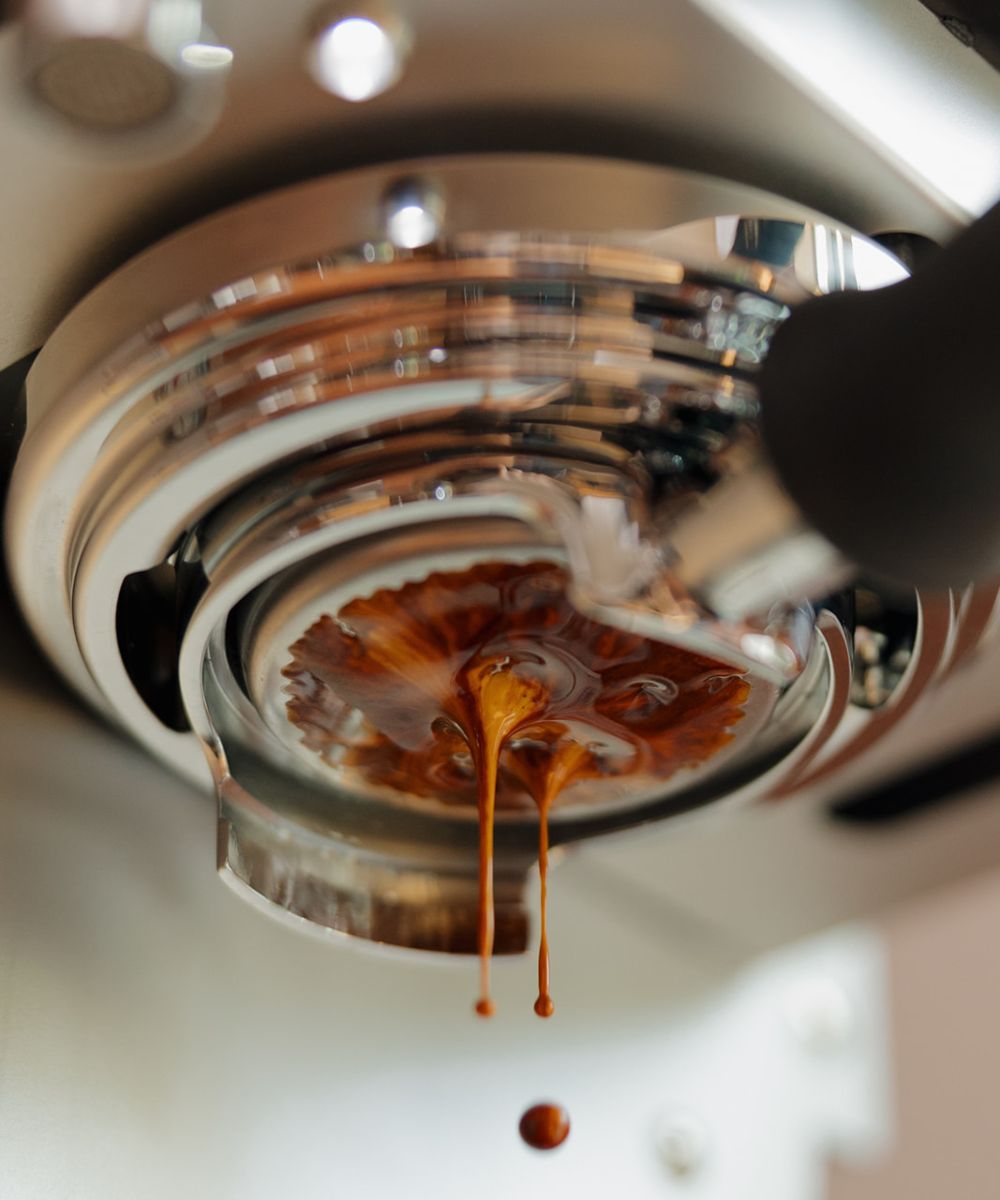
A low-angled lens captures a rich, velvety liquid bubble up and coat the surface of a metal portafilter before dripping and then flowing like melted chocolate in slow motion for a perfect 25 seconds before lightening and tapering off. Filmed on an iPhone with the cinematic caress of an earnest amateur director shooting a soft core porno, it’s one of many videos depicting a shot being pulled — many garnering “wow” comments, balanced out by questions (and equally as often, critique) about grind size, tamp pressure, and dose. Along with the mildly erotic shot pulling content, a perfunctory perusal of the r/espresso subreddit will garner you insight into the exact recommended dosage for each shot (18 grams, and not a milligram more or less), discourse on the acceptable level of crema, and debate about the relative merits of preinfusion.
For this niche—but almost overzealously dedicated—subset of espresso enthusiasts, the love of coffee goes beyond simply enjoying a good brew in the morning. You won’t find a single-touch fully automatic coffee machine or—god forbid—a Nespresso pod machine here; they’re committed to mastering the art of the manual espresso machine, which promotes the quotidian coffee drinker to the role of a barista, controlling the grind, dose, water ratio, and milk froth. The driving force is just as much about the journey as it is about the well-caffeinated destination; they’ll take pleasure in a shot well pulled, compliment creative latte art (even the Jackson Pollock kind), and commiserate over burst portafilters splattering precious grounds all over the kitchen counter.
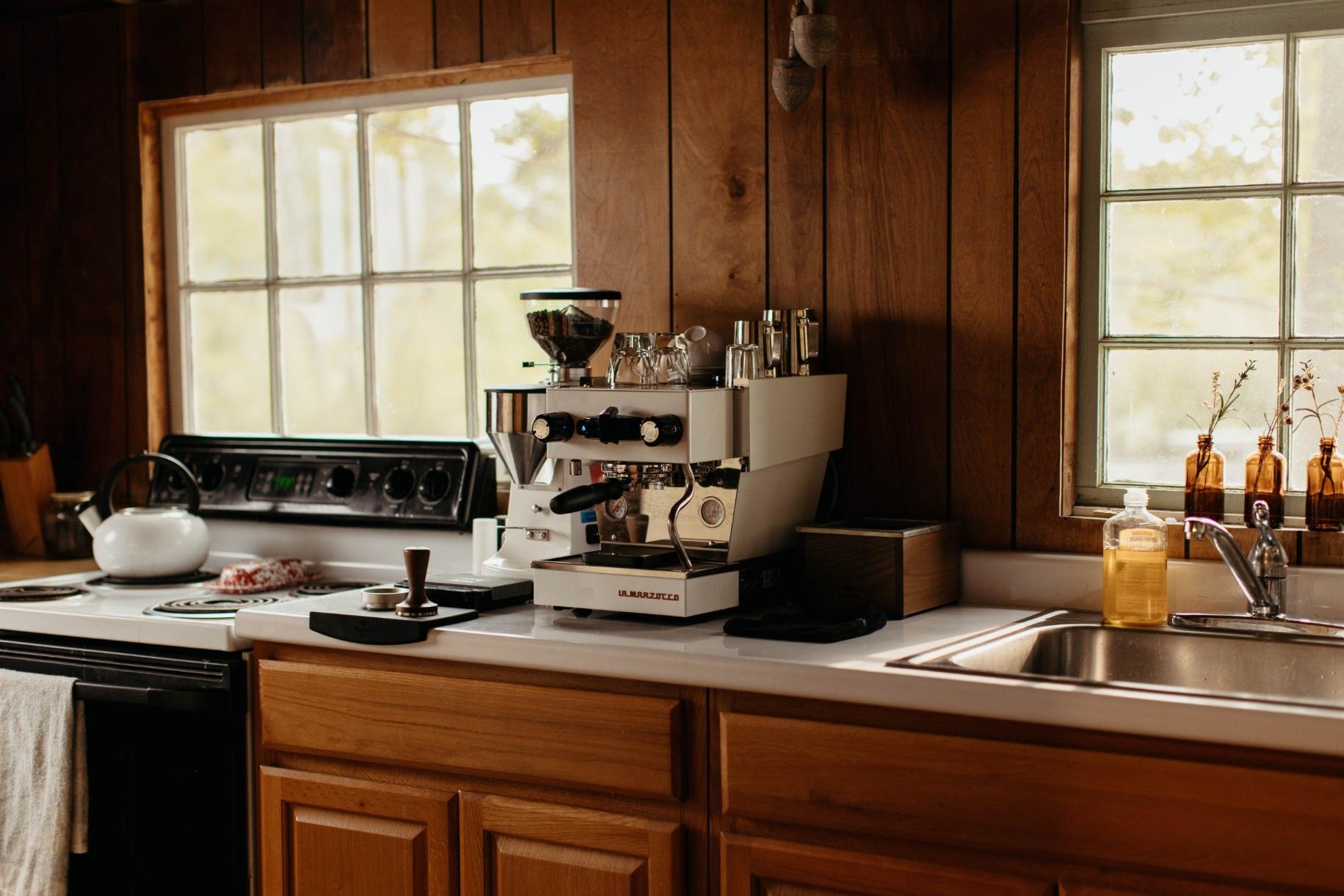
While there’s an egalitarian sense of acceptance in terms of the equipment itself (so long as it is indeed an espresso machine and not a fully automatic coffee machine — those aren’t welcome), with entry-level Breville Bambino Plus owners made to feel just as welcome as those with machines in the four-figure range, there is still a hierarchy. At the pinnacle sits La Marzocco. Part machine and part status symbol, the Florentine company’s role in shaping espresso culture over the past century lends it a certain cultural clout, with the name itself a byword for exemplar coffee.
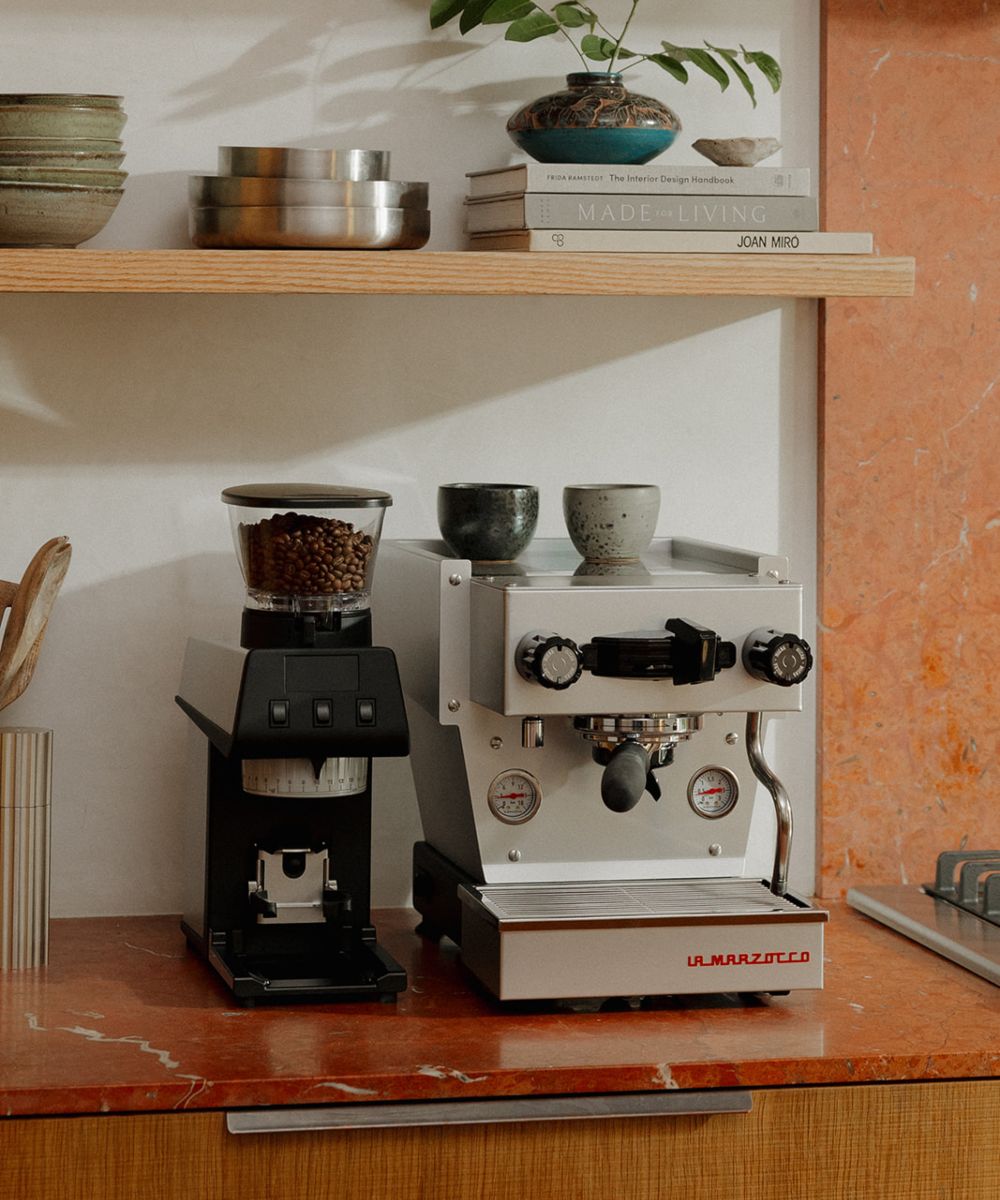
Founded in 1927 by brothers Giuseppe and Bruno Bambi, the brand was responsible for patenting the first horizontal boiler espresso machine and the first double-boiler system, as well as refining lever machine technology. But it was the Linea Classic that cemented its status as an icon, with the hand-made machine instrumental in powering Starbucks’ meteoric rise from 1990 to 2005 and now a mainstay on the countertops of specialty coffee shops the world over. It’s this provenance that has made La Marzocco’s at home offering, the Linea Mini and Linea Micra, so covetable. Both hand-made machines promise cafe-quality coffee at home by distilling the essence of the brand’s defining Linea Classic into a more compact package, with the Linea Micra the smaller of the two.
That said, when it comes to the world of espresso, making a great coffee is not as simple as having a great machine. As a fully automatic coffee machine devotee, I’ve become accustomed to having a consistently decent coffee every day at the push of a button. Not quite cafe-quality, but decent.
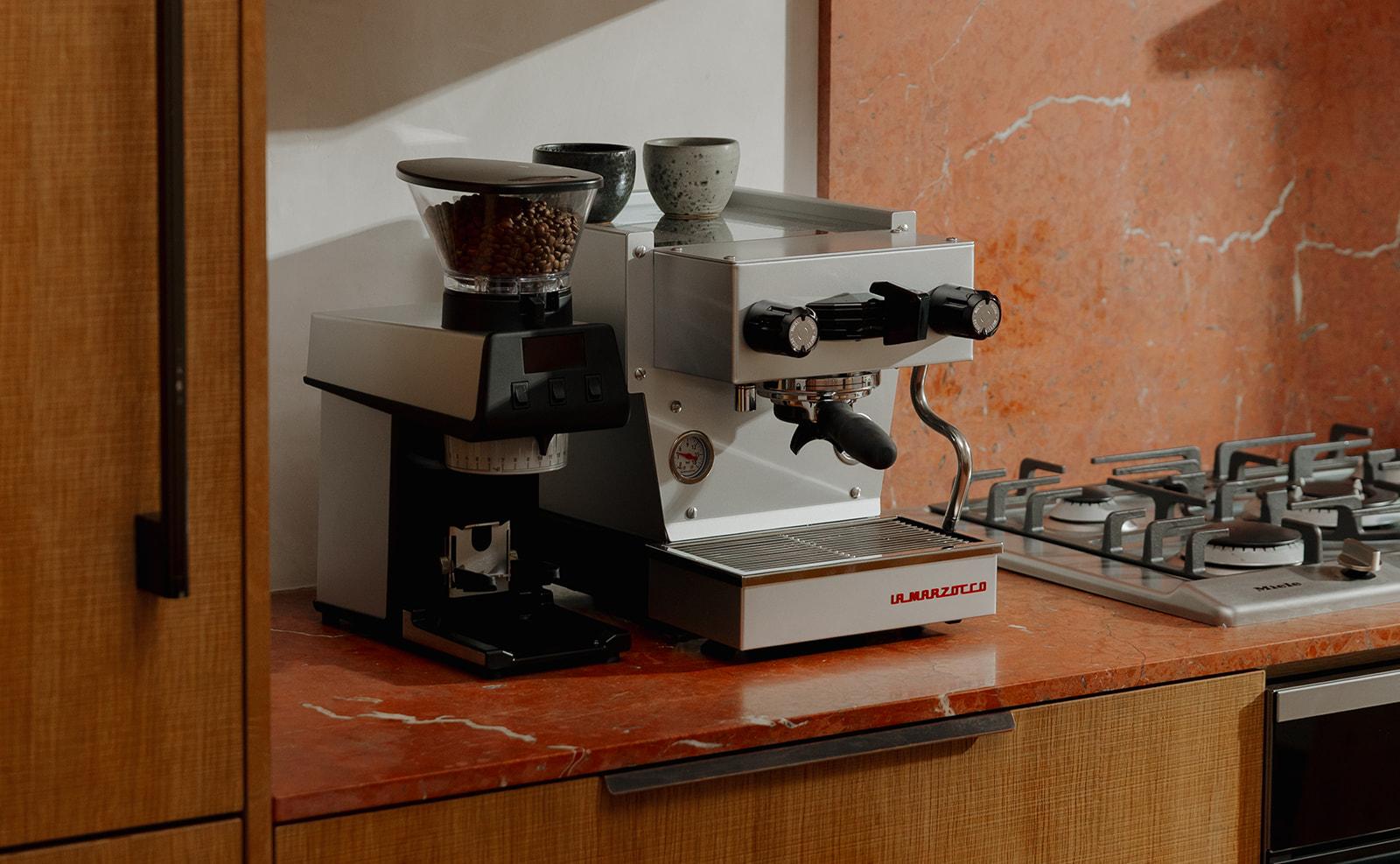

Shortly after clearing away some benchtop real estate to make way for the satisfyingly hefty La Marzocco Linea Micra—in an equally satisfying shade of crimson—and the Pico grinder accompanying it, I sat down to a rather unsatisfying almond latte. Bent on making the most of the $6000AUD machine now ensconced on the corner of my benchtop, I resigned myself to learning the specifics of “dialing it in.”
Cue my descent down Reddit’s r/espresso rabbit hole (with a not-insignificant number of YouTube coffee guru James Hoffmann’s videos thrown in for good measure). Adding a weighing scale into the mix to nail that exact 18 grams, adjusting the grind size, tamping more aggressively, using my phone to hit that 25 to 30 second sweet spot, and developing a better work flow with the milk seems to yield better results. My eleventh shot looks good enough to star in a mildly tantalising up-skirt portafilter film; its partially drunk predecessors forlornly discarded along the benchtop, still in the espresso stage, watching voyeuristically as I finish my second latte of the day.
I reel myself in on subsequent days, if only for the sake of not running through $80AUD/kg specialty coffee beans like water. Once the more finicky parts of the process are streamlined, the switch from a fully automatic coffee machine to a manual espresso machine turns a standard morning routine into something of a ritual. Undeniably more arduous than pressing a single button, it prompts something of a meditative state as one is forced to grind, weigh out, and pull a shot in a half-conscious groggy state. Even when seemingly narrowing it down to an exact science, the result isn’t always consistent — although there have been a few cafe-quality outcomes (perhaps not one of Sydney or Melbourne’s finest cafes, but on par with the suburban locals).
Much like driving a manual car or opting for a mechanical watch over a quartz one, at its best, using a manual espresso machine is a contemplative experience that places equal emphasis on the journey as it does on the destination. You mightn’t always get the coffee you want — but you will end up with one you earnt.
Words by T. Angel